

Montmartre is one of the most iconic neighborhoods in Paris and also one of the most misunderstood. Most visitors rush straight to the Sacré-Cœur, snap a few photos, and leave. But if you take the time to wander its cobblestone streets, you'll discover a neighborhood with a wild, fascinating, and deeply human history that goes far beyond the postcard version.
Here's everything you need to know to explore Montmartre independently, at your own pace.
Why Montmartre Is Unlike Any Other Paris Neighborhood
Perched on a hill in the 18th arrondissement, Montmartre feels like a village within the city. The narrow streets, colorful houses, and ivy-covered walls create an atmosphere that's almost impossible to find anywhere else in Paris. It's a place where artists, poets, and revolutionaries once lived side by side and where their stories still echo through every alley.
The neighborhood has two faces: the touristy Place du Tertre, packed with portrait painters and souvenir shops, and the quiet, residential Montmartre that most visitors never reach. Your goal as a self-guided explorer is to find that second face.
The Sacré-Cœur: More Than Just a Pretty Church
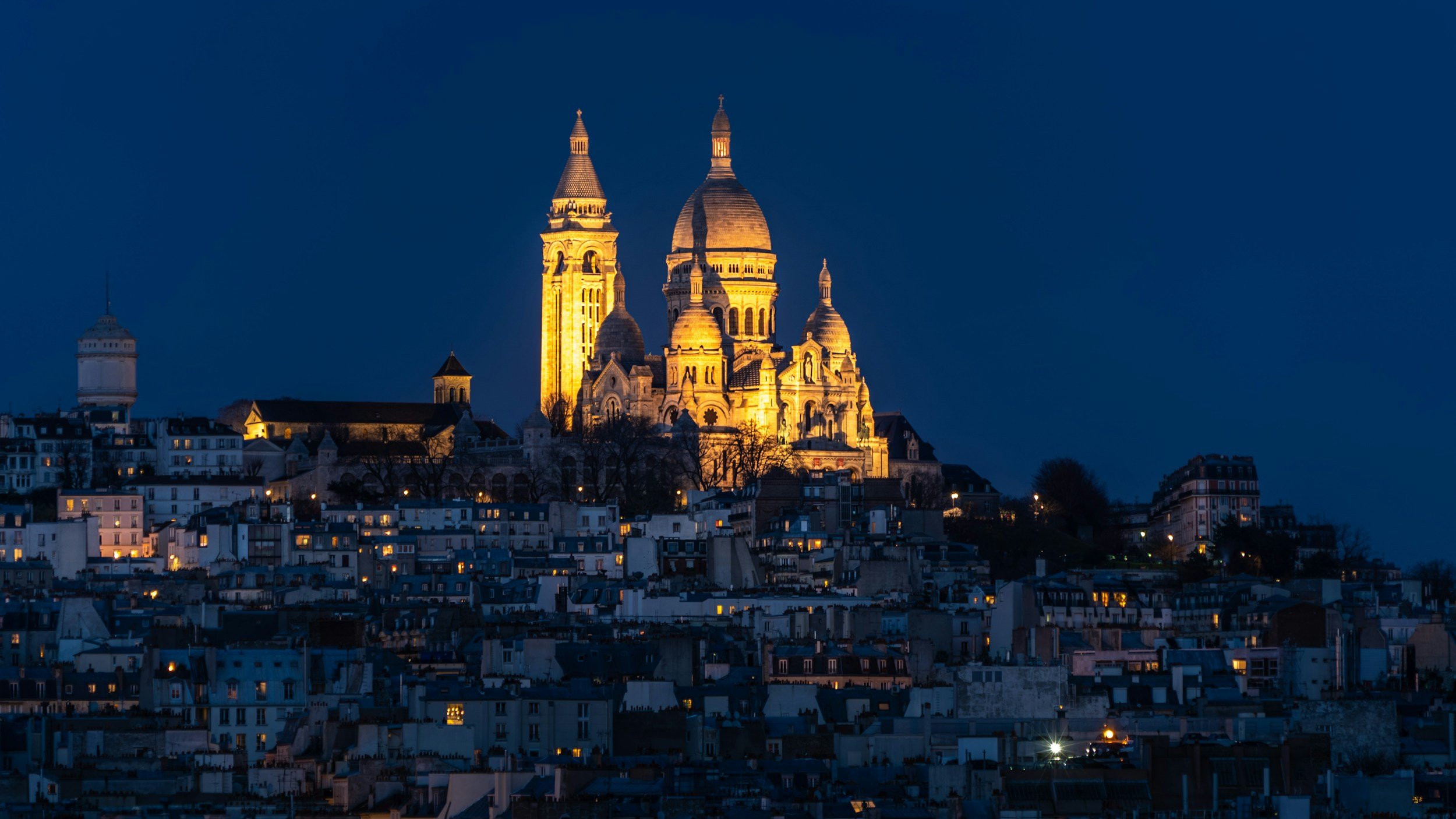
The Basilica of Sacré-Cœur dominates the Montmartre skyline and for good reason. Built between 1875 and 1914, it was constructed as a symbol of national penance following France's defeat in the Franco-Prussian War. The white travertine stone it's built from has a unique property: it secretes calcite when it rains, which keeps the building permanently white.
But beyond the architecture, the views from the steps are arguably the best free panorama in Paris. Come early in the morning ideally before 8am and you'll have the steps almost entirely to yourself. Watching the city slowly wake up from this vantage point is one of those rare Paris moments that stays with you.
Hidden Streets You Shouldn't Miss
Once you've taken in the view from Sacré-Cœur, resist the urge to head straight back down. Instead, lose yourself in these lesser-known spots:
Rue Lepic is the main artery of "village Montmartre." It's where locals shop, where Van Gogh once lived (at number 54), and where the atmosphere shifts from tourist chaos to authentic Parisian calm.
Le Bateau-Lavoir on Place Émile-Goudeau was the studio where Picasso painted Les Demoiselles d'Avignon in 1907. The original building burned down in 1970, but the reconstructed version still houses working artists today.
La Maison Rose on Rue de l'Abreuvoir is one of the most photographed houses in Paris, a tiny pink building surrounded by greenery that looks like it belongs in a fairy tale. Visit on a weekday morning to catch it without crowds.
Vineyard of Montmartre, yes, there's actually a functioning vineyard in the middle of Paris. Located on Rue des Saules, it produces around 800 bottles of wine per year, sold at auction for charity each October.
The Moulin Rouge & The Red Light District That Changed History
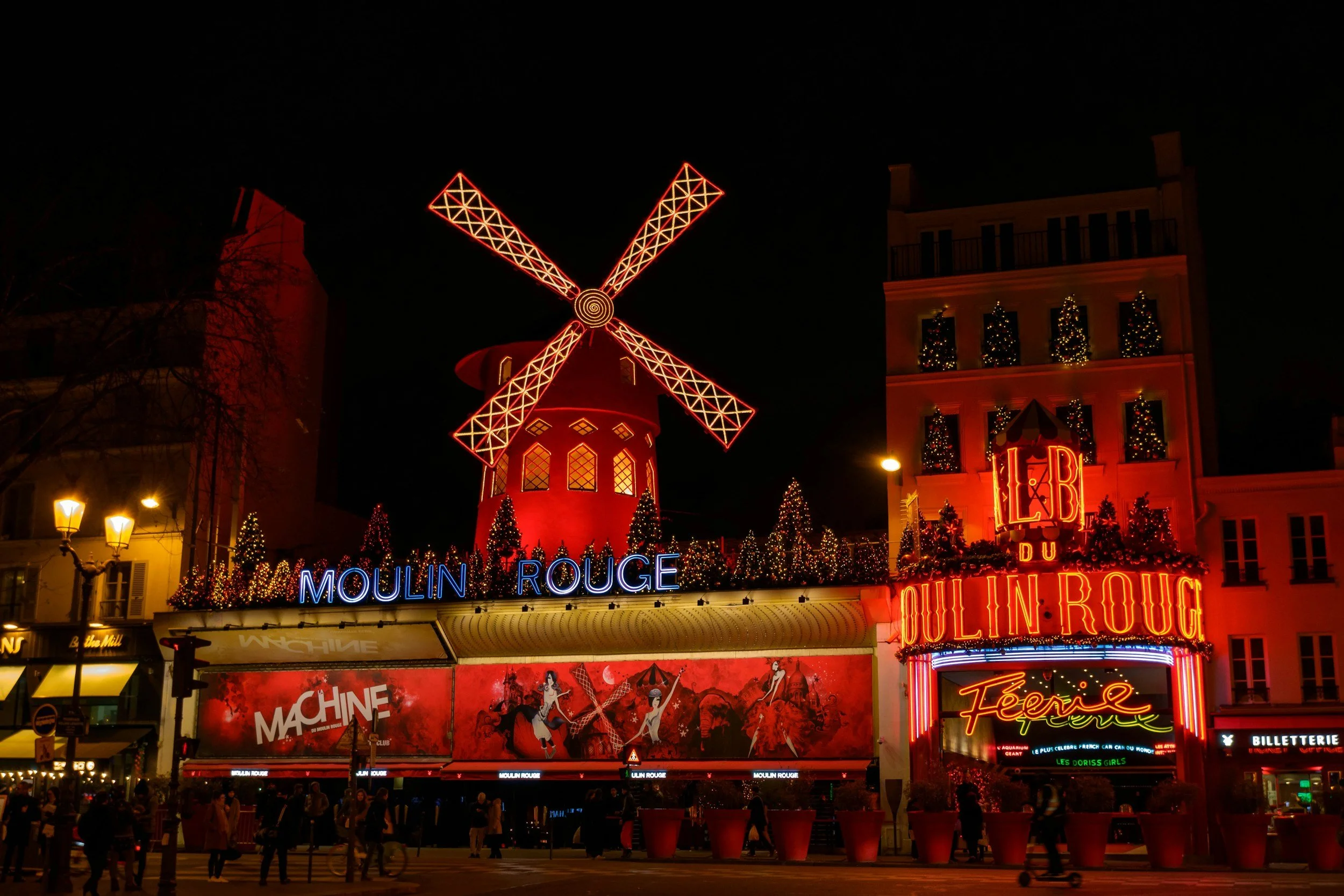
The bottom of Montmartre hill, the area around Boulevard de Clichy, was once the entertainment capital of Paris. The Moulin Rouge, opened in 1889, was the birthplace of the modern can-can dance and attracted artists like Toulouse-Lautrec, who immortalized its performers in dozens of paintings.
Today the area is still vibrant, if somewhat touristy. But if you look beyond the neon lights, you'll find traces of the original cabarets, theatres, and brasseries that made this one of the most creative and transgressive neighborhoods in the world.
Practical Tips for Your Self-Guided Montmartre Walk
Best time to visit: Early morning (7-9am) or late afternoon (5-7pm) to avoid the midday crowds
How long: Allow at least 3 to 4 hours to explore properly
Getting there: Metro line 12, Abbesses station (not Anvers, Abbesses puts you directly in the heart of the village)
Wear comfortable shoes: The streets are steep and cobblestoned
Bring a picnic: The small parks and viewpoints are perfect for a relaxed break
Go Deeper With a Self-Guided Ebook
If you want to make the most of your Montmartre visit, our self-guided ebook takes you through the neighborhood step by step — with detailed maps, historical context, fascinating anecdotes, and precise directions to every hidden gem. No guide, no group, no fixed schedule. Just you and Paris.
