

Paris in 3 Days: The Perfect Self-Guided Itinerary
Three days in Paris. It sounds like a lot, until you arrive and realize that this city has been accumulating history, beauty, and stories for over 2,000 years.
The good news? You don't need a guided tour, a packed schedule, or a €500 travel agency to make the most of it. What you need is a smart plan, a pair of comfortable shoes, and the willingness to slow down and actually look.
This is the three-day itinerary I'd give to a close friend visiting Paris for the first time. Not the rushed tourist version. The real one.
Before You Start : How to Use This Itinerary
Each day of this itinerary focuses on one neighborhood, which means you walk rather than commute, you discover rather than rush, and you actually have time to sit down at a café without feeling guilty about it.
Each neighborhood also has a dedicated self-guided ebook from Paris Backstages, with precise maps, historical storytelling, and hidden gems that most tourists never find. You can download them before you land and use them offline throughout your trip.
Now, let's get started.
Day 1: The Latin Quarter - 2,000 Years of History on Foot
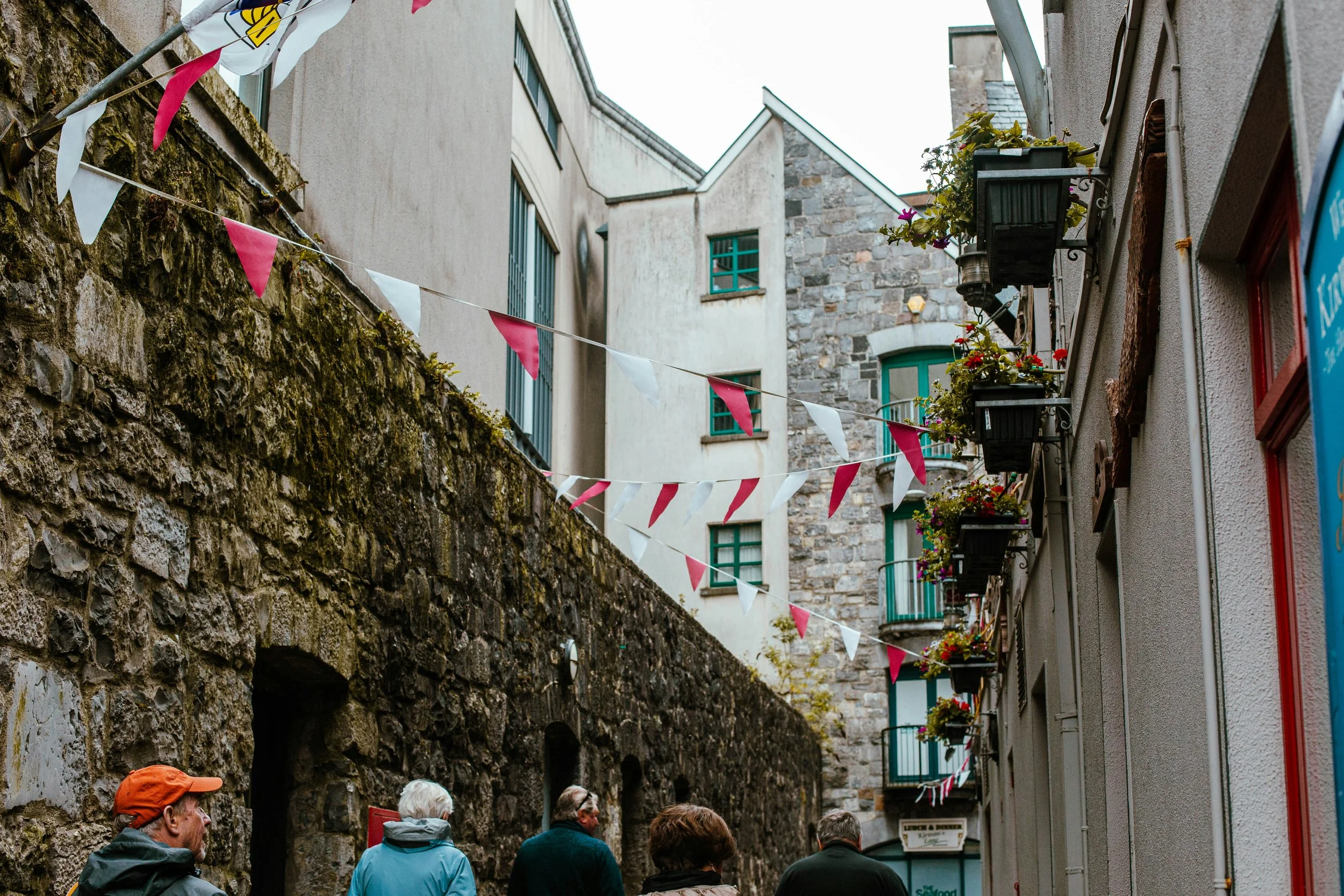
There's no better place to begin a Paris trip than where the city itself began. The Latin Quarter, on the Left Bank of the Seine, is the oldest inhabited part of Paris, and it shows, in the best possible way.
Morning: Roman Paris
Start early. The streets of the Latin Quarter are genuinely magical before 9am, when the city is just waking up and the light is soft and golden.
Your first stop is the Arènes de Lutèce, a 1st-century Roman amphitheatre hidden behind an apartment block on Rue Monge. It once held 15,000 spectators. Today it's a free public park where locals play pétanque on the same ground where gladiators once fought. Almost no tourists ever find it.
From there, walk towards the Musée de Cluny and its extraordinary Roman thermal baths , the best-preserved Roman ruins in Paris. The frigidarium (cold bath room) still stands to its full original height.
Late Morning: The Sorbonne & Medieval Streets
Wander up through the medieval heart of the quarter. The Sorbonne, one of the world's oldest universities, dominates this area, its grand courtyard is visible through the gates on Rue des Écoles and worth a pause.
Don't miss Rue du Chat-qui-Pêche, the narrowest street in Paris at just 1.8 metres wide. You can stand in the middle and touch both walls. It dates from the 15th century.
Afternoon: The Panthéon & Rue Mouffetard
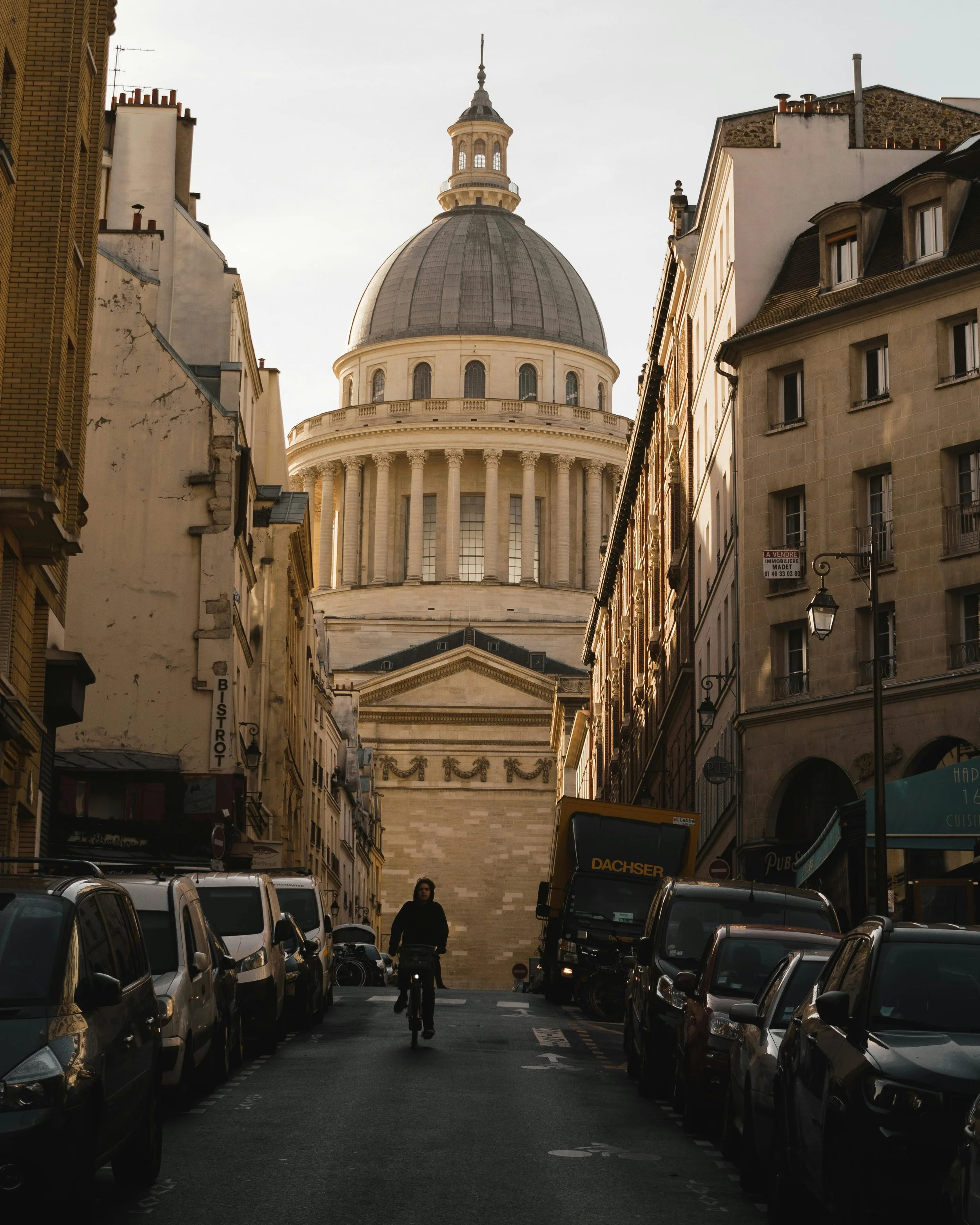
The Panthéon is unmissable, not just for its neoclassical architecture, but for its extraordinary crypt, where Voltaire, Rousseau, Victor Hugo, Marie Curie, and Émile Zola are all buried. The Foucault Pendulum suspended from its dome has been demonstrating the Earth's rotation since 1851.
From the Panthéon, head down to Rue Mouffetard for a late lunch. This market street has operated continuously since the Middle Ages. On weekdays, local vendors sell cheese, bread, and produce the way their families have for generations. Find a spot at one of the café terraces on Place de la Contrescarpe.
Evening: Shakespeare and Company
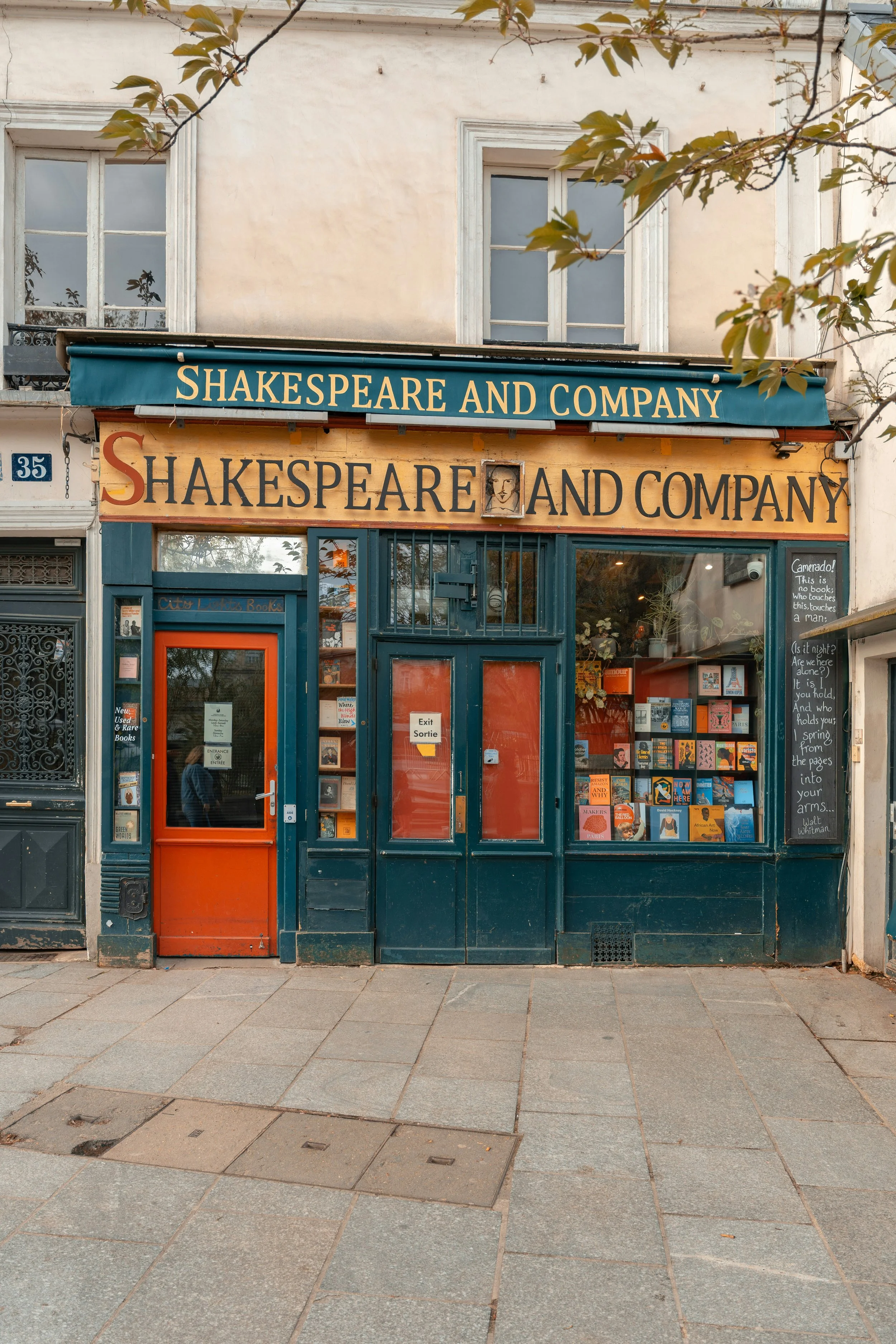
End your first day on the banks of the Seine at Shakespeare and Company, the most famous English-language bookshop in the world, with a direct view of Notre-Dame. Browse the labyrinthine shelves, pick up a book, and grab a coffee at the café next door. Then watch the lights come on across the river as the evening begins.
Total walking time: 3 to 4 hours Best for: History lovers, first-time visitors, architecture enthusiasts
👉 Download the Latin Quarter Ebook for the full self-guided route with maps and storytelling at every stop.
Day 2 : Montmartre - Artists, Secrets & the Best View in Paris
If the Latin Quarter shows you where Paris began, Montmartre shows you where it got wild.
This hilltop village in the 18th arrondissement was the artistic capital of the world at the turn of the 20th century, the place where Picasso, Van Gogh, Toulouse-Lautrec, and hundreds of other artists lived, worked, drank, and created. The bohemian energy hasn't entirely left.
Early Morning: The Sacré-Cœur at Dawn
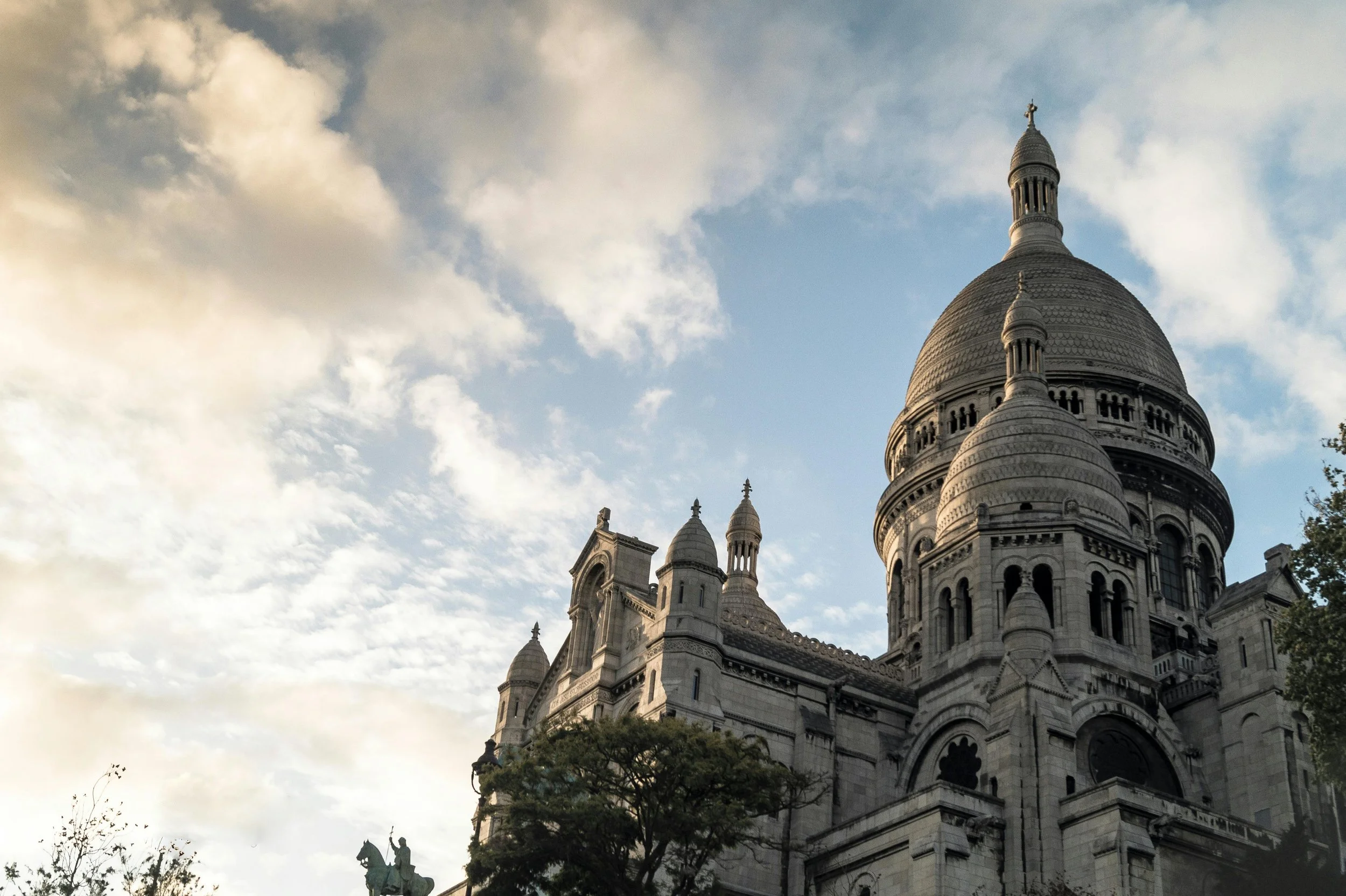
Come early, ideally before 8am. The steps of the Sacré-Cœur at dawn are one of the great free experiences in Paris. The basilica gleams white (the travertine stone it's built from secretes calcite when it rains, keeping it permanently white), the city stretches out below you, and you'll have the steps almost entirely to yourself.
Sit for a while. Watch Paris wake up.
Morning: The Village Streets
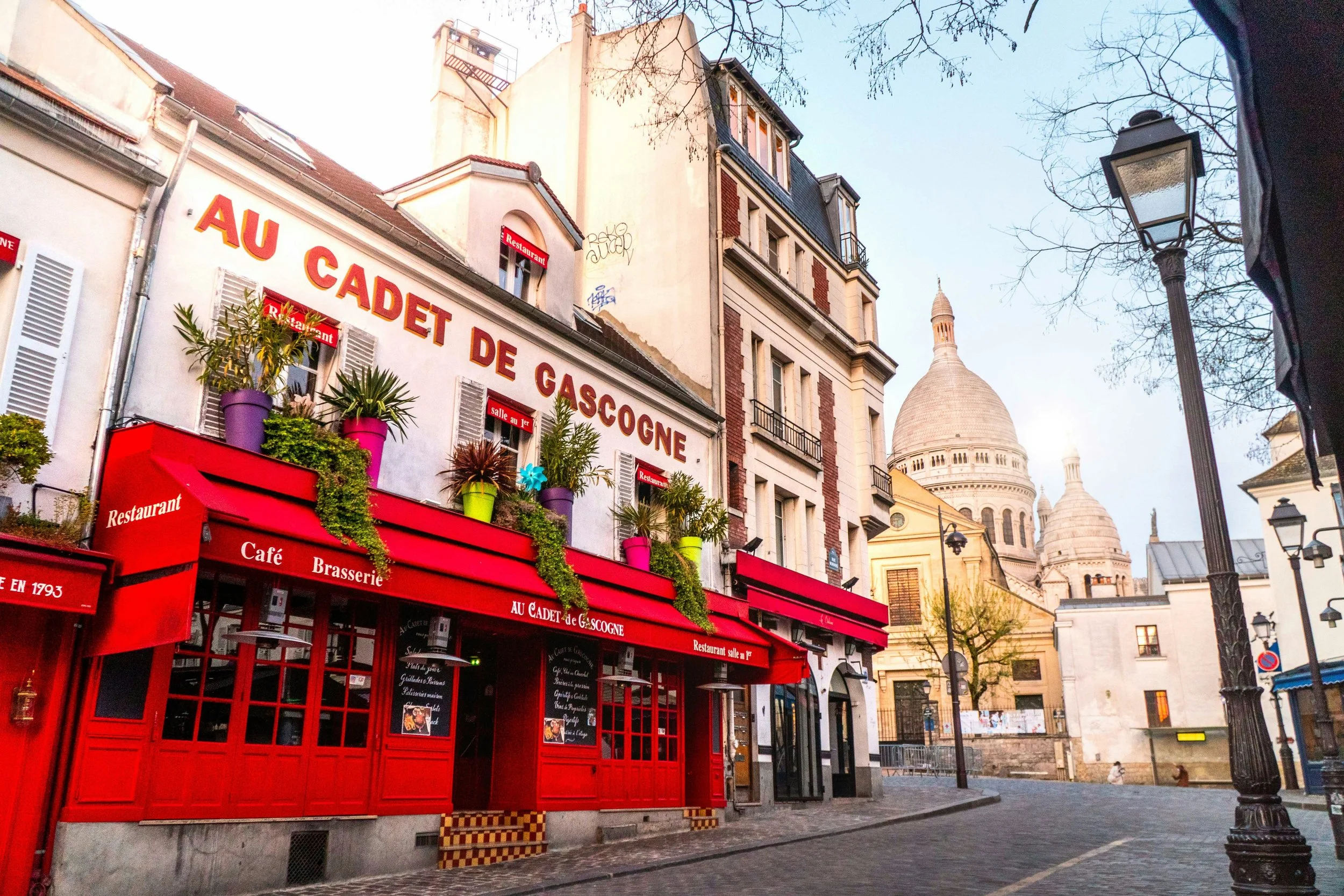
Once the city is stirring, explore the streets of "village Montmartre", the quiet residential area that most tourists never reach.
Rue Lepic is the main artery, lined with local shops and cafés. Van Gogh lived at number 54 between 1886 and 1888, during the two most productive years of his Paris period.
La Maison Rose on Rue de l'Abreuvoir is one of the most photographed houses in Paris, a tiny pink building covered in greenery that looks like it belongs in a fairy tale. Visit on a weekday to avoid the crowds.
Le Bateau-Lavoir on Place Émile-Goudeau was where Picasso painted Les Demoiselles d'Avignon in 1907. The original building burned in 1970; the reconstruction still houses working artists today.
Afternoon: The Vineyard & Hidden Spots
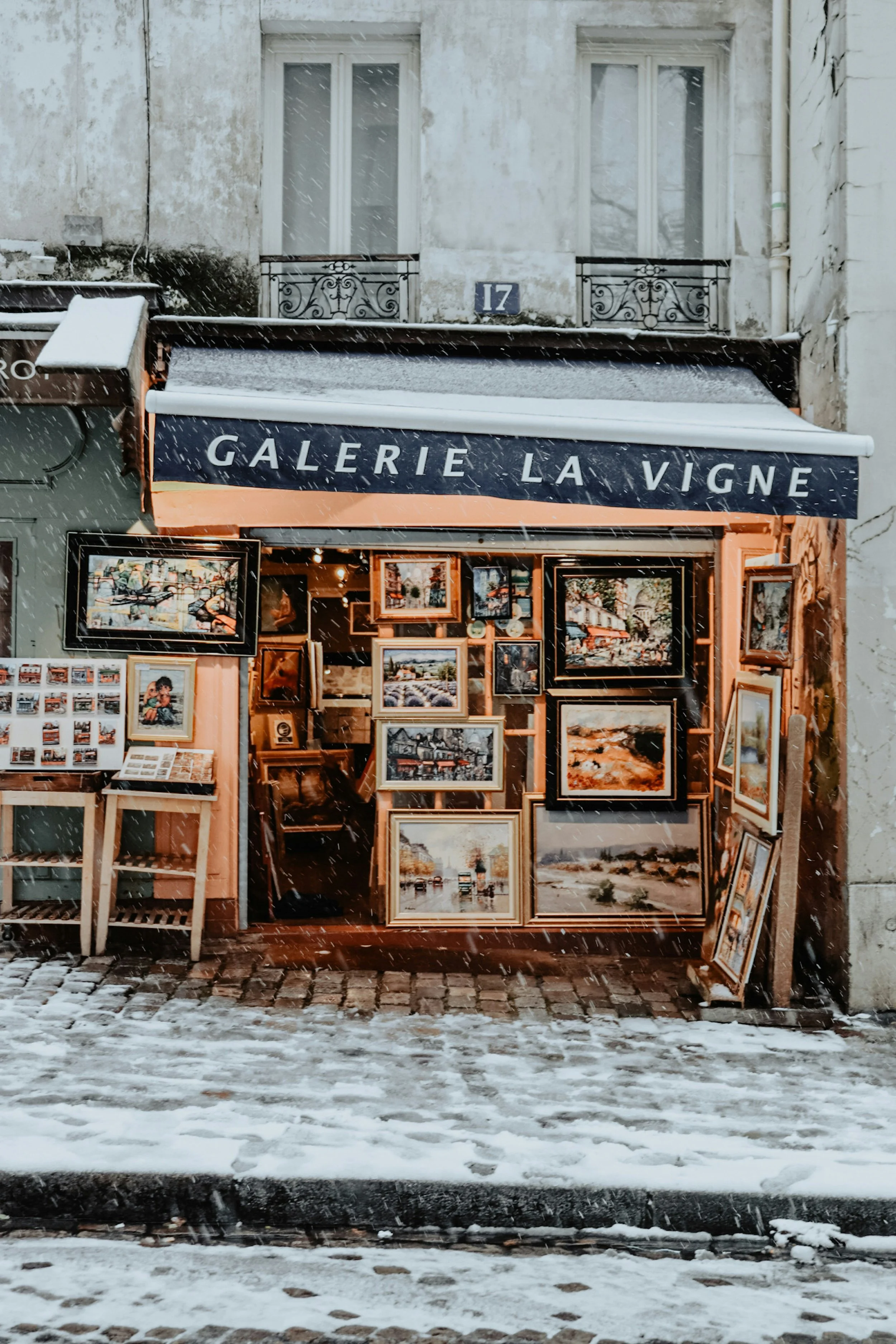
The Vineyard of Montmartre on Rue des Saules is one of Paris's most surprising secrets, a working vineyard that produces around 800 bottles of wine per year, sold at charity auction every October.
Nearby, find Place du Calvaire, a tiny, almost unknown square with one of the finest views of Paris. Unlike the crowded Sacré-Cœur terrace, you'll often have it to yourself.
Evening: The Moulin Rouge & Boulevard de Clichy
Walk down the hill towards Pigalle as the light fades. The Moulin Rouge, opened in 1889, was the birthplace of the modern can-can dance and the setting for some of Toulouse-Lautrec's most famous paintings. You don't need to go inside, the neon-lit facade at dusk is a spectacle on its own.
Explore the streets of lower Montmartre, once the entertainment capital of Paris, before finding a restaurant for dinner in the neighborhood.
Total walking time: 3 to 4 hours Best for: Art lovers, photographers, those who want the "real Paris" feeling
👉 Download the Montmartre Ebook for every hidden spot, story, and local secret in this extraordinary neighborhood.
Day 3: Le Marais - Medieval Streets, Royal History & the Jewish Quarter
By day three, you're no longer a tourist. You're starting to understand how Paris works.
Le Marais, stretching across the 3rd and 4th arrondissements, is the city's most layered neighborhood: medieval streets, a 17th-century royal square, the historic Jewish quarter, and a thriving contemporary art scene, all within 30 minutes' walk.
Morning: Place des Vosges & the Royal Marais
Begin at Place des Vosges, the oldest planned square in Paris. Built between 1605 and 1612 under King Henri IV, it's a masterpiece of symmetrical architecture, red brick facades, arched arcades, and a central garden where Parisians sit for hours. Victor Hugo lived here for 16 years; his apartment at number 6 is now a free museum.
From the square, push open the wooden door of the Hôtel de Sully at 62 Rue Saint-Antoine, a 17th-century mansion with one of the most beautiful courtyards in Paris. There's a hidden passage at the back that leads directly to Place des Vosges. Most visitors never find it.
Late Morning: Hidden Courtyards
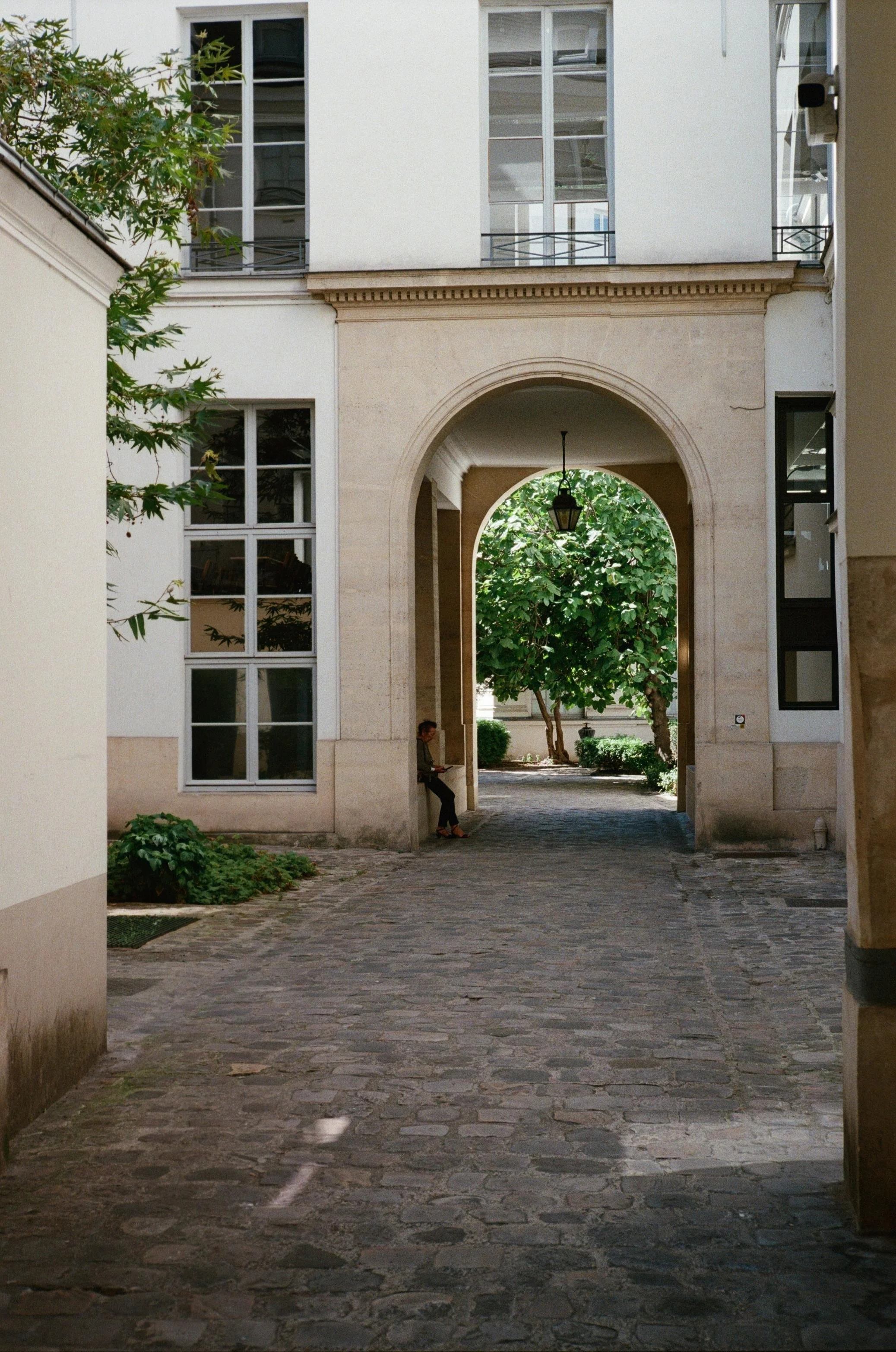
The Marais is full of hidden courtyards, called hôtels particuliers, tucked behind unassuming doors. Most visitors walk straight past them.
Passage de l'Ancre, near Arts et Métiers metro, is a tiny alleyway that feels like it belongs in a different century. Hôtel de Guénégaud on Rue des Archives is one of the best-preserved private mansions from the 1650s, now housing one of Paris's most underrated museums.
Afternoon: The Jewish Quarter
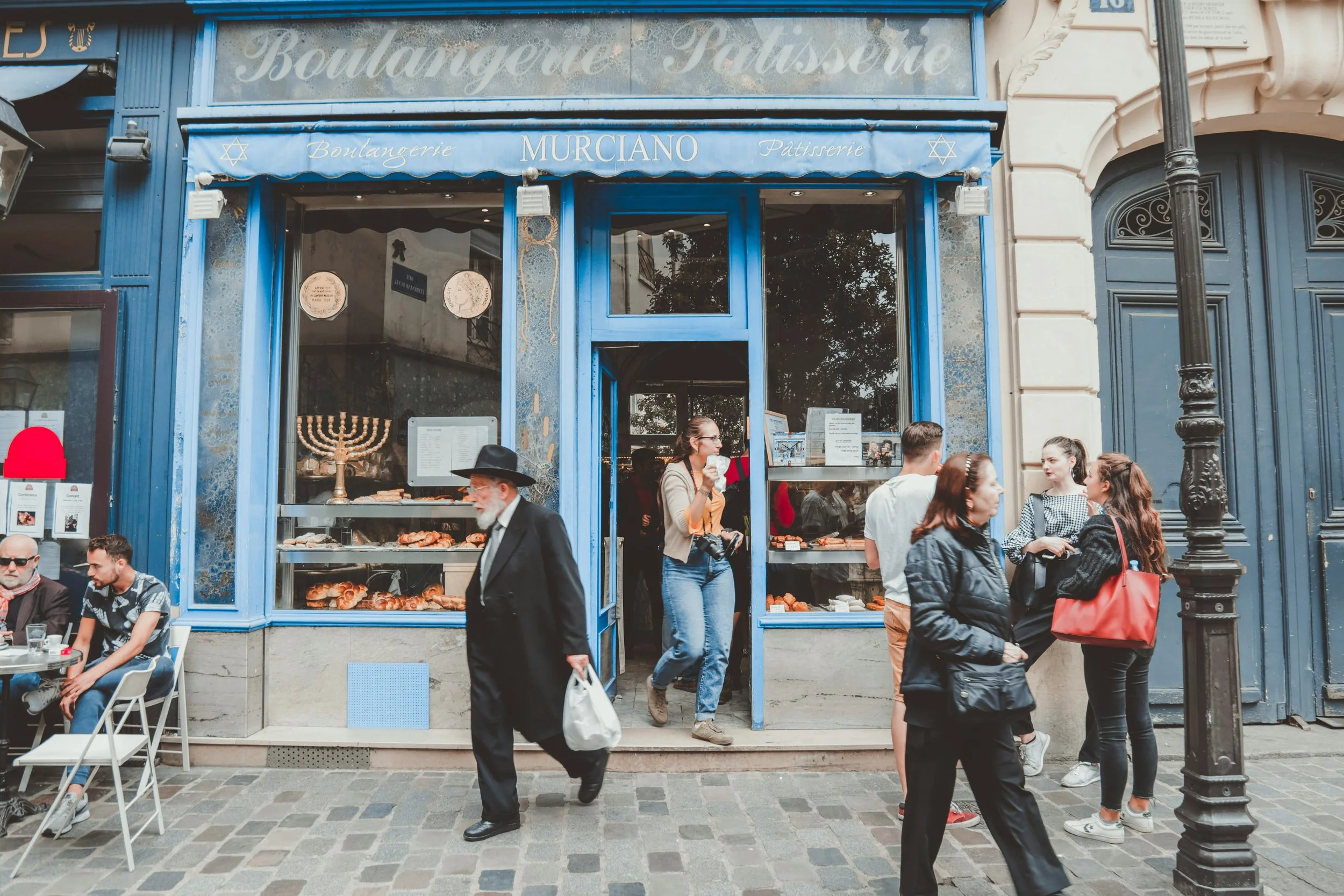
Walk to Rue des Rosiers, the heart of Paris's Jewish community since the 13th century. It's one of the most atmospheric streets in the city: kosher bakeries, traditional synagogues, Yiddish bookshops, and falafel stands that have been fuelling the great falafel debate for decades.
L'As du Fallafel at number 34 versus Chez Marianne a few doors down. Both have queues. Both are worth it. Pick a side.
Late Afternoon: Contemporary Art
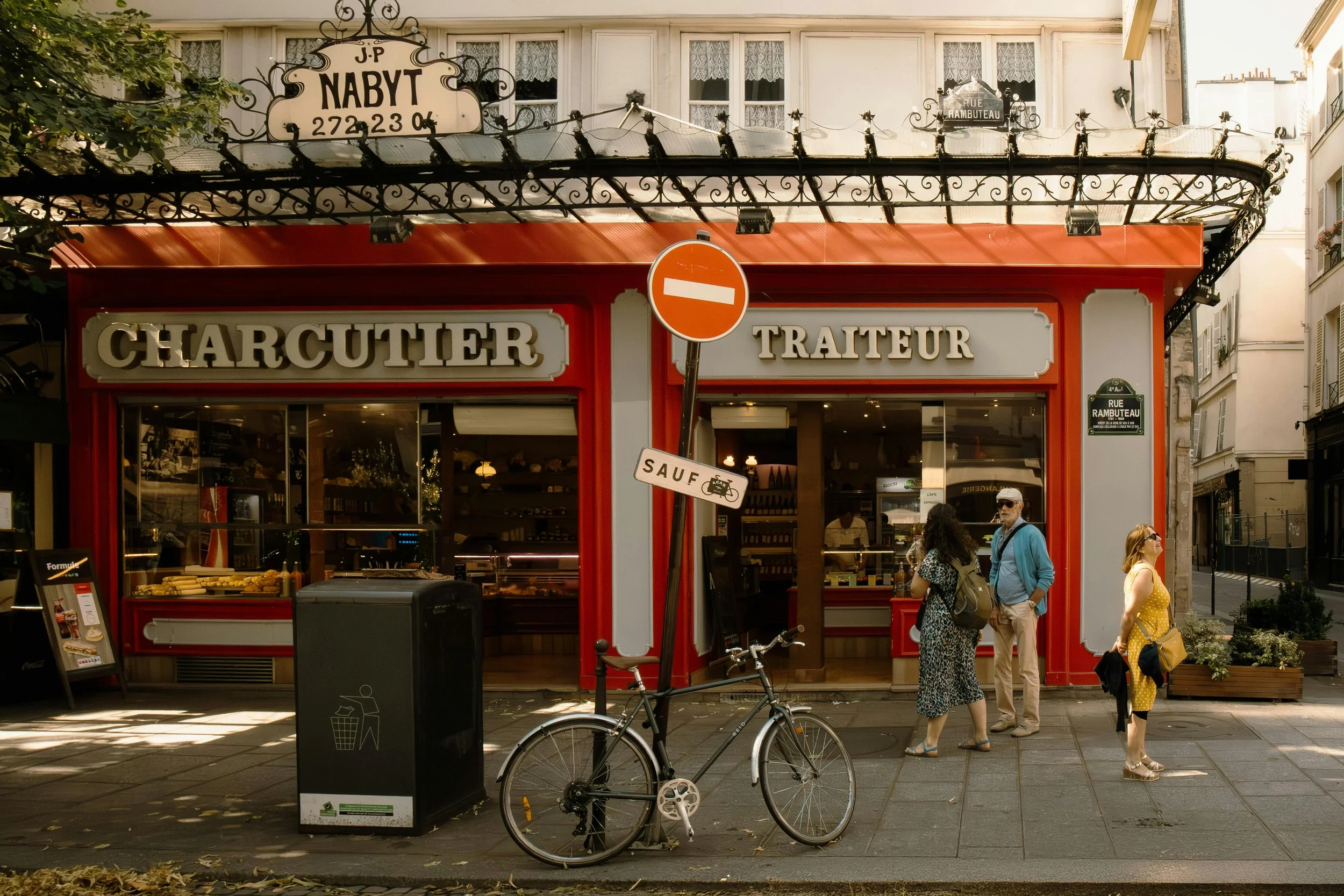
The area around Rue Vieille du Temple and Rue Debelleyme is the center of Paris's contemporary art gallery scene. Most galleries are free to enter. On weekend afternoons, openings spill onto the street.
The Centre Pompidou sits on the western edge of the Marais, its inside-out architecture as striking today as when it opened in 1977. Even if you don't go in, the plaza outside, with its street performers and fountains, is a perfect place to end your Paris adventure.
Total walking time: 4 to 5 hours Best for: History, culture, food, art, Le Marais does everything
👉 Download the Le Marais Ebook for the complete self-guided tour with every hidden courtyard, passage, and local secret.
Practical Tips for Your 3 Days in Paris
Getting around: Walk as much as possible. Each day's itinerary is designed to be explored on foot. For longer distances, the Metro is fast and affordable (single ticket: €2.15, or buy a carnet of 10).
Best time to visit: April to June and September to October offer the best weather and manageable crowds. July and August are busy but still wonderful.
Money: Most places accept cards, but carry a small amount of cash for market vendors and smaller cafés.
Food: Avoid restaurants immediately adjacent to major tourist sites. Walk two streets away and the quality doubles, the price halves.
Shoes: Wear comfortable walking shoes. Paris is a walking city, and cobblestones are everywhere.
Make the Most of Every Day
Each neighborhood in this itinerary has its own Paris Backstages self-guided ebook, with detailed maps, rich historical storytelling, hidden gems, and practical tips at every stop.
Download before you arrive. Use offline throughout your trip. Explore at your own pace.
