

Best Paris Neighborhoods to Explore on Foot
Paris is not a city you understand from a tour bus window. It's a city you understand on foot, in the narrow streets, the hidden courtyards, the covered passages and the quiet squares that reveal themselves only to those who are willing to walk.
But with 20 arrondissements and an almost infinite density of history, culture, and stories per square kilometre, where do you actually start?
This is the guide I'd give to a close friend visiting Paris for the first time. Not a list of tourist attractions, a guide to the neighborhoods themselves, and what makes each one worth your time.
1. Montmartre, The Village Above the City
Best for: Artists, photographers, history lovers, those who want the real Paris feeling
Time needed: Half a day minimum, a full day if you want to go deep
How to get there: Metro line 12, Abbesses station
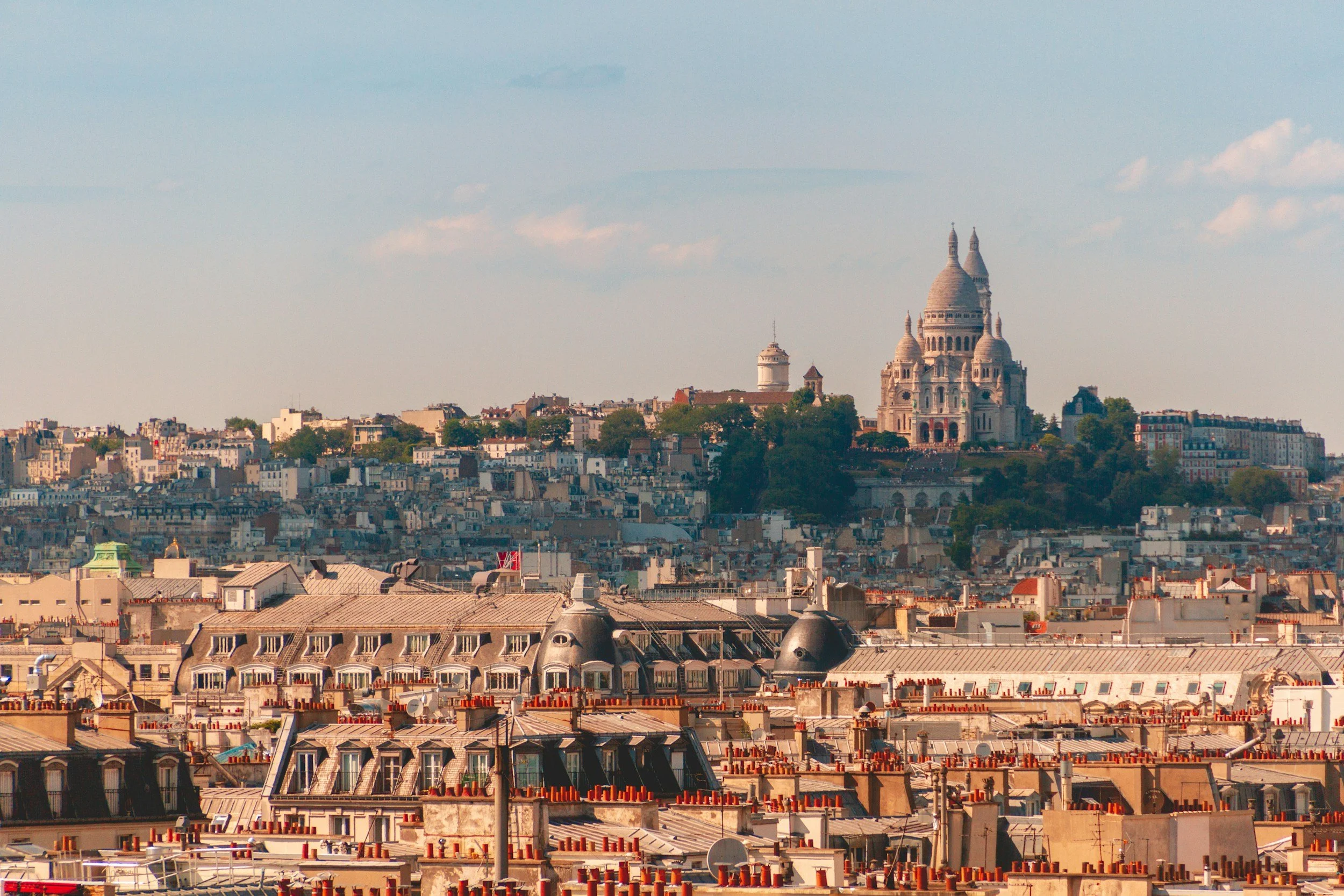
Montmartre doesn't feel like Paris. That's the point.
Perched on a hill in the 18th arrondissement, it's a neighborhood with two completely separate personalities. The tourist version, Sacré-Cœur, Place du Tertre, portrait painters, souvenir shops, is real but thin. Beneath it is something much more interesting: a genuine village with cobblestone streets, working artists' studios, and a history that reads like a novel.
Van Gogh lived here for two years. Picasso created Cubism here. The Moulin Rouge was born at the bottom of this hill. And there's a working vineyard producing 800 bottles of wine per year tucked onto a hillside above the city.
Don't miss: La Maison Rose on Rue de l'Abreuvoir (best visited before 9am), the vineyard on Rue des Saules, Place du Calvaire for the best secret viewpoint in Paris, Le Bateau-Lavoir where Picasso worked.
Local tip: Come before 8am. The steps of Sacré-Cœur at dawn, with the city laid out below you and almost no one else around, is one of the genuinely great Paris experiences.
2. Le Marais, Where Medieval Streets Meet Modern Energy
Best for: History, art, food, LGBTQ+ travelers, those who love getting lost
Time needed: A full day
How to get there: Metro line 1, Saint-Paul station
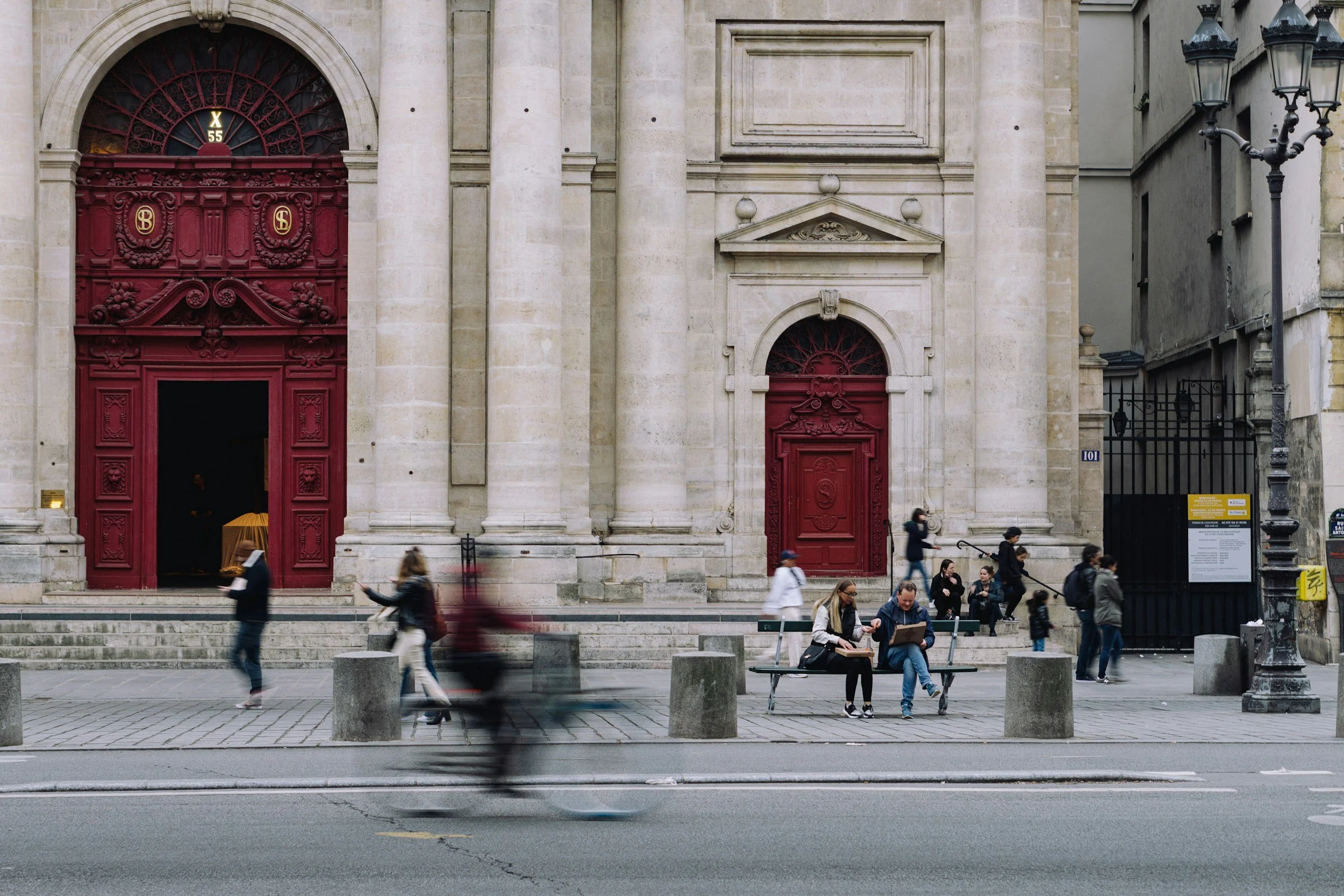
Le Marais survived Haussmann's 19th-century demolition of medieval Paris, almost by accident, when the city ran out of money. The result is the only neighborhood where you can still walk streets that are genuinely 400 years old.
It's also the most layered neighborhood in Paris. A 17th-century royal square (Place des Vosges, the oldest in Paris). A Jewish quarter that has been in continuous operation since the 13th century. A thriving contemporary art gallery scene. The best falafel in France.
The secret of Le Marais is to push open the heavy wooden doors. Behind almost every unmarked entrance is a courtyard that hasn't changed since the reign of Louis XIV.
Don't miss: Place des Vosges on a Sunday morning, the hidden passageway of the Hôtel de Sully leading to Place des Vosges, Rue des Rosiers for the falafel debate (L'As du Fallafel vs Chez Marianne, choose a side), Passage de l'Ancre near Arts et Métiers.
Local tip: Most Jewish-owned shops close on Saturday (Shabbat) and reopen Sunday. Plan your Rue des Rosiers visit accordingly.
3. The Latin Quarter, 2,000 Years of History in One Walk
Best for: History lovers, book lovers, architecture, first-time visitors who want depth
Time needed: 3 to 4 hours
How to get there: Metro line 10, Cluny-La Sorbonne, or RER B, Luxembourg
The Latin Quarter is where Paris began. Not metaphorically, literally. The Romans built their city here, on the left bank of the Seine, in the 1st century BC. The university was founded here in the 12th century. Victor Hugo, Hemingway, and Simone de Beauvoir all lived here at various points.
The density of history in these streets is genuinely extraordinary. Walk Rue Saint-Jacques and you're walking a road that has been in continuous use since 50 AD. Stand in the Arènes de Lutèce, a Roman amphitheatre hidden behind an apartment block on Rue Monge and you're standing where 15,000 people came to watch gladiatorial combat in the 1st century.
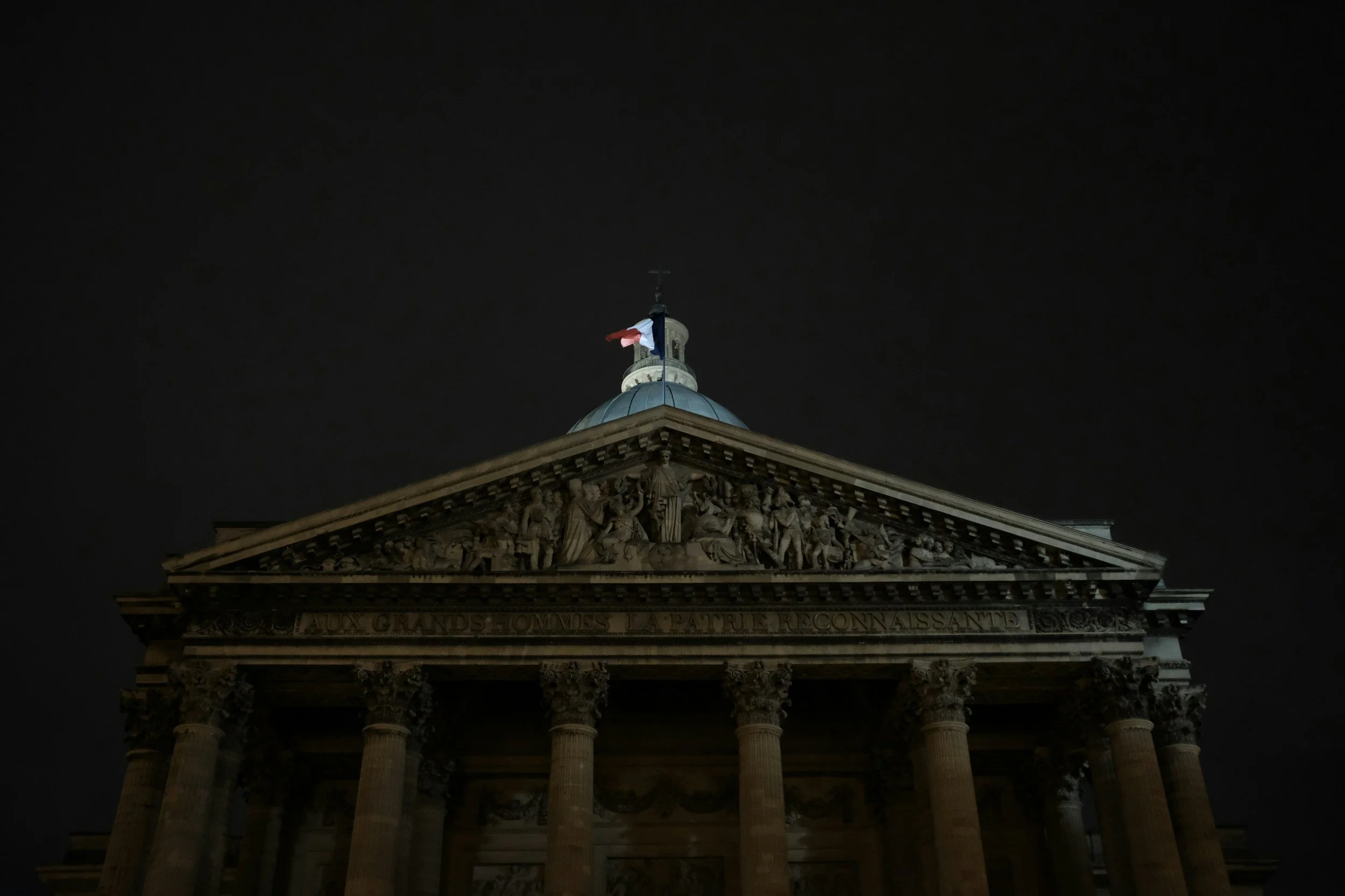
Don't miss: The Arènes de Lutèce (free, almost no tourists), Rue du Chat-qui-Pêche (narrowest street in Paris at 1.8 metres wide), Shakespeare and Company, the Panthéon's extraordinary crypt, Rue Mouffetard market on Saturday morning.
Local tip: The Roman thermal baths inside the Musée de Cluny are the best-preserved Roman ruins in Paris. The frigidarium still stands to its full original height, an extraordinary survival.
4. Saint-Germain-des-Prés, The Intellectual Left Bank
Best for: Literature lovers, café culture, elegant architecture, those who want to feel Parisian
Time needed: Half a day to a full day
How to get there: Metro line 4, Saint-Germain-des-Prés station
In the 20th century, Saint-Germain-des-Prés was the intellectual capital of the world. Sartre and Simone de Beauvoir worked at the tables of Café de Flore and Les Deux Magots. Albert Camus wrote here. James Baldwin found the freedom to write here that he couldn't find in America.
The cafés are still there. The atmosphere, quieter now, more expensive, but not entirely gone, hasn't entirely left. And the neighborhood itself, stretching from the Seine to the Luxembourg Gardens, is among the most architecturally beautiful in Paris.
Don't miss: Café de Flore and Les Deux Magots (for the history, not the coffee prices), the Church of Saint-Germain-des-Prés (the oldest church in Paris), the Luxembourg Gardens on a weekday morning, Rue de Buci market.
Local tip: Walk down to the Seine and find Pont des Arts, the "Lovers' Bridge." The padlocks are largely gone (the city removed them for safety) but the view of Île de la Cité from this spot is one of the finest in Paris.
5. Canal Saint-Martin & La Villette, The Real Local Paris
Best for: Those wanting to escape tourist Paris, young travelers, architecture lovers
Time needed: Half a day to a full day
How to get there: Metro line 5, Jacques Bonsergent, or Metro line 7, Jaurès
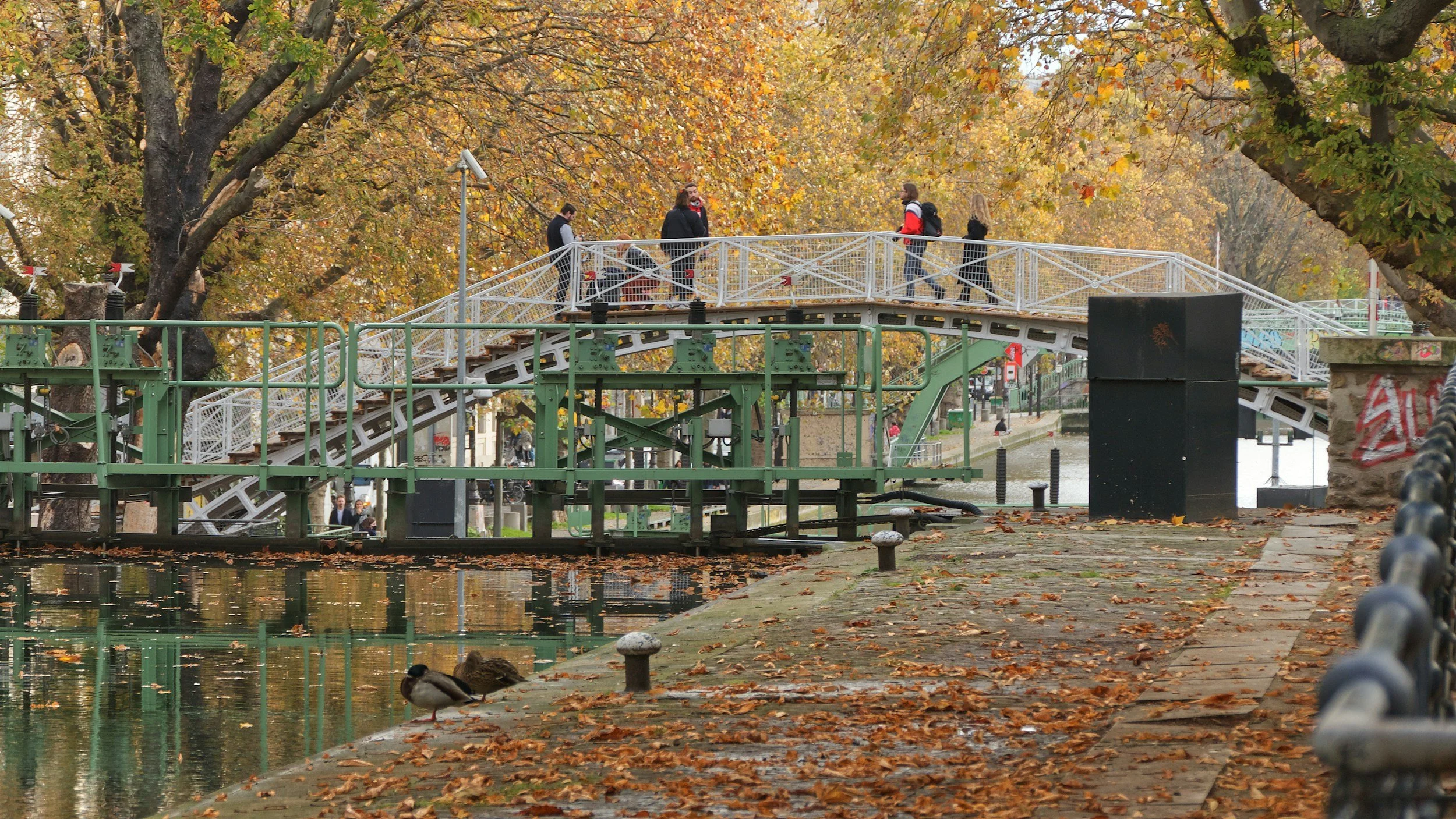
This is the Paris that Parisians actually live in and one that most tourists never see.
Canal Saint-Martin, with its iron footbridges, tree-lined banks, and locks that have operated since 1825, is where young Parisians come on Sunday afternoons. Picnic on the banks. Watch the canal boats navigate the locks. Find one of the dozens of independent cafés and bookshops that line the quays.
At the northern end of the canal, the extraordinary complex of La Villette opens up, the former slaughterhouses of Paris, transformed into one of the most ambitious cultural parks in Europe. The Géode, the Cité des Sciences, the Grande Halle, the Philharmonie de Paris, all set around a vast park that is simultaneously a concert venue, a cinema, and one of Paris's largest public green spaces.
Don't miss: The iron footbridges of Canal Saint-Martin, the locks in operation, the street art on the walls of the canal district, the Géode at La Villette, the Grande Halle for markets and events.
Local tip: Sunday morning on Canal Saint-Martin is particularly special, the quays fill with locals and the atmosphere is entirely unlike any other part of Paris.
6. Père Lachaise & Belleville - Where Art Meets History
Best for: Those who love the unexpected, art lovers, music fans, curious travelers
Time needed: 2 to 3 hours for the cemetery; a full day to include Belleville
How to get there: Metro line 2, Père Lachaise station
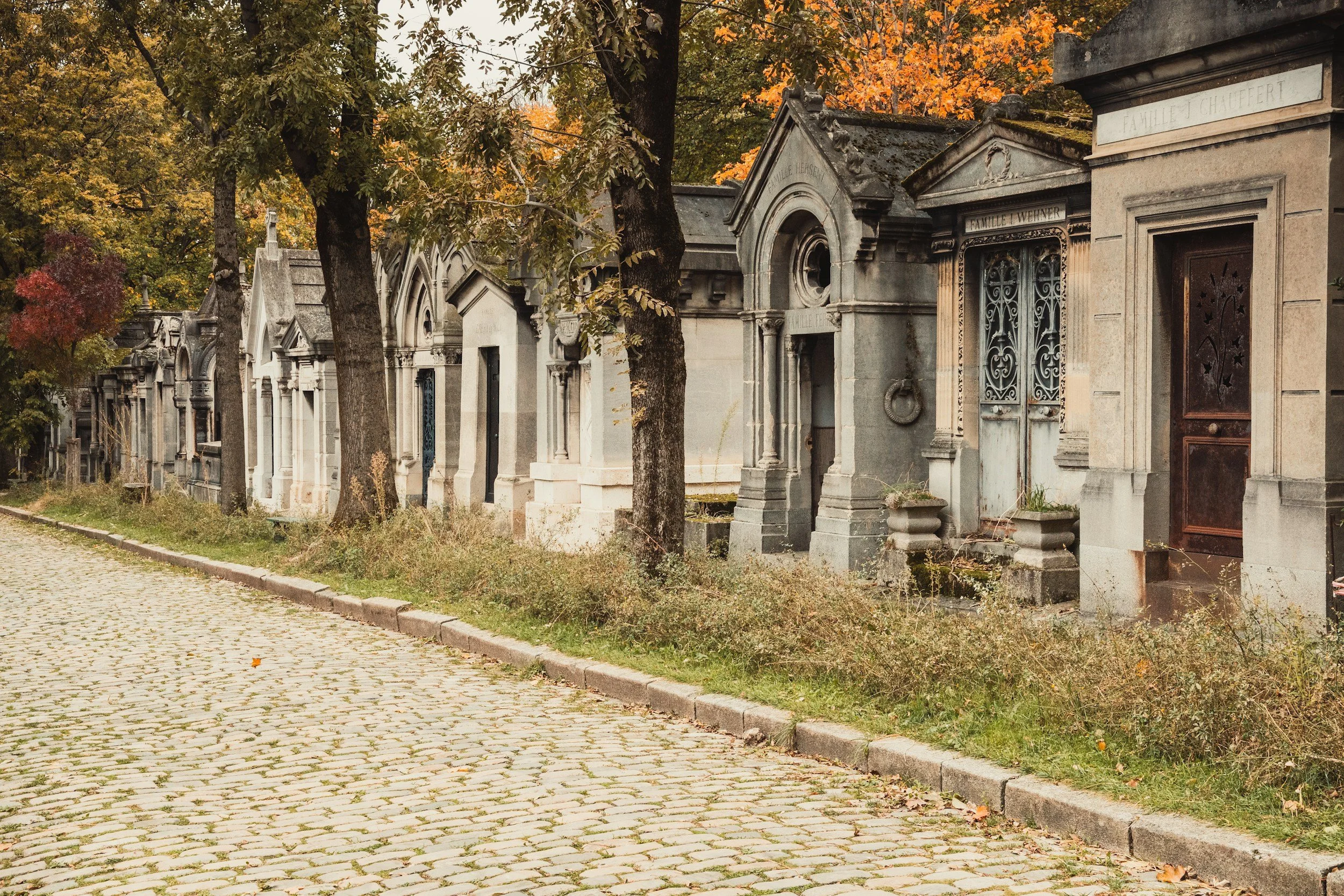
The 20th arrondissement is the most overlooked great neighborhood in Paris.
Père Lachaise Cemetery, the most famous cemetery in the world, is in itself one of the most extraordinary spaces in the city. 70,000 tombs across 44 hectares of hills, trees, and winding paths. Édith Piaf, Oscar Wilde, Jim Morrison, Frédéric Chopin, Marcel Proust, and thousands of others rest here. The tombs range from simple markers to extraordinary sculptures. Walking its paths is unlike any other experience in Paris.
Belleville, the neighborhood surrounding the cemetery, was historically the working-class heart of Paris and is now one of its most creatively vibrant areas, a mix of Chinese, North African, and West African communities alongside artist studios, independent galleries, and some of the best street art in the city.
Don't miss: Oscar Wilde's lipstick-covered tomb, Édith Piaf's modest grave (always crowded with admirers), the Wall of the Federalists where the last Paris Commune fighters were shot in 1871, the views over Paris from the highest points of the cemetery.
Local tip: Get a map at the entrance, Père Lachaise is large, hilly, and genuinely easy to get lost in. Which, honestly, is part of the point.
How to Choose Your Neighborhood
The honest answer is: they're all worth visiting. But if you have limited time, here's a simple guide:
If this is your first time in Paris: Latin Quarter + Montmartre + Le Marais. These three cover the full range of what makes Paris extraordinary, ancient history, artistic bohemia, and medieval streets.
If you've been before and want something different: Canal Saint-Martin + Belleville + Père Lachaise. This is the Paris that most visitors never find.
If you have one day only: Le Marais. It's the most layered, most surprising, and most walkable neighborhood in the city.
Self-Guided Ebooks for Every Neighborhood
Each of the neighborhoods in this guide has its own Paris Backstages self-guided ebook, with detailed maps, rich historical storytelling, and the hidden gems that most visitors never find.
No guide. No group. No fixed schedule. Just you and the real Paris.
