Thank you for Your Purchase !
We hope you will enjoy it !
A colorful Royalty
Welcome, everyone!
For this visit, I’m taking you through the lively and historic streets of the Marais district – right in the heart of Paris. This neighborhood is a true crossroads of cultures, faiths, and civic life. And despite the centuries that have passed, it still holds on to some incredible treasures.
From the stunning Place des Vosges to the ancient royal wall of Philippe Auguste, and of course, the imposing City Hall and its bustling market atmosphere, we’ll explore buildings whose architecture still bears the marks of history.
We’ll continue our stroll toward Beaubourg and the Royal Quarter, where hidden gems and authentic Parisian charm meet bold and surprising contemporary creations. You’ll even get to see the oldest graffiti in Paris, and visit a museum whose architecture has divided opinions since the day it was built.
So, get ready – this is a true journey through time!
Let’s begin our adventure !
Your journey starts here : at 53 Bd de la Bastille, 75012 Paris.
When you're ready, we’ll take our first steps into history !
About the Marais
-
Welcome to the Marais, everyone, a district that’s inseparably tied to the history of Jewish Paris.
In fact, it’s often referred to as “the Pletzl”, a Yiddish word meaning "little square". Jewish communities settled here as early as the 13th century, before being expelled from France and later returning, to this very neighborhood, at the end of the 18th century.In the 20th century, the area became a refuge for more than 20,000 Jewish immigrants, many of whom had fled persecution in other parts of Europe.
Of course, as you can imagine, the community was devastated during the Holocaust. And as you walk through the streets, you’ll notice numerous commemorative plaques, especially on schools, honoring the memory of children and residents deported during World War II.The heart of the Jewish Marais is centered around Rue des Rosiers, literally “Street of the Rosebushes”, named after the roses that once flourished in the gardens here. Today, it’s a vibrant street where falafel stands, traditional Jewish bakeries, and trendy boutiques all rub shoulders.
But the Marais has an even older story to tell.
Its name comes from the marshes that once covered the area back in the 12th century. Today, it's one of the most visited neighborhoods in Paris, thanks to its remarkable historical heritage and its unique atmosphere. Bounded by Place de la Bastille, Place de la République, and City Hall, the Marais is home to a stunning collection of 17th- and 18th-century mansions, many of which now house world-renowned museums like the Picasso Museum, Victor Hugo’s house, and the Carnavalet Museum.
Port de l’Arsenal
-
Welcome to the Port de l’Arsenal, one of the most charming and unexpected spots in central Paris.
Originally built in the early 19th century over the old moats of the medieval wall of Charles V, this port was first used for cargo shipping. It wasn’t until 1983 that it became the leisure marina we see today, a calm oasis right at the foot of the Place de la Bastille.
But why is it called the 'Port de l’Arsenal'? That’s because this area used to house an arsenal, a place where weapons and ammunition were stored from the 16th to the 19th century.
Today, it welcomes around 1,500 boats every year from over 26 countries. With its 180 moorings, it's now the main docking area in Paris for passing vessels. Half the boats here are docked year-round.
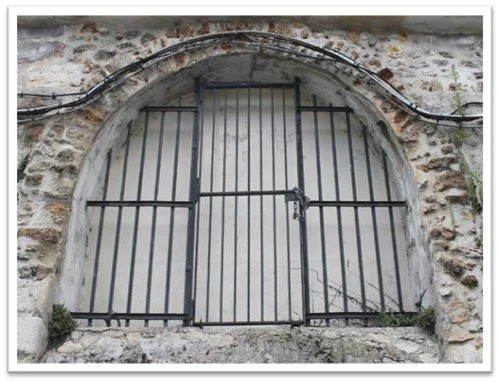
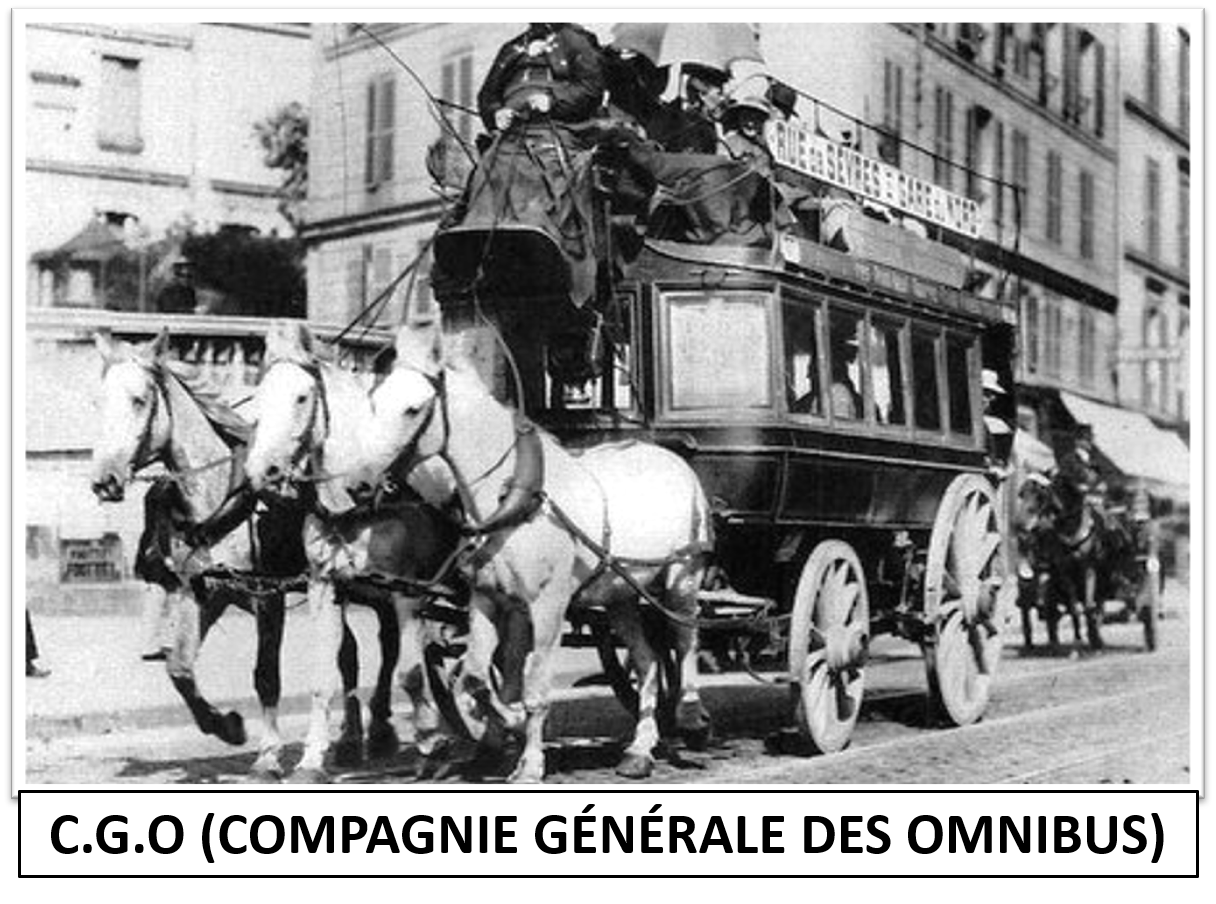
And here’s a fun bit of history: in 1889, this spot also played a role in Paris's public transport. The famous Compagnie Générale des Omnibus operated horse-drawn carriages and had a depot nearby with over 1,000 horses. Their clever system? They built a tunnel from the depot to the Arsenal port, using it to dump and sell the manure as fertilizer! You can still see the sealed-up tunnel opening on the quay wall, near Boulevard Bourdon.
Opera National de Paris
-
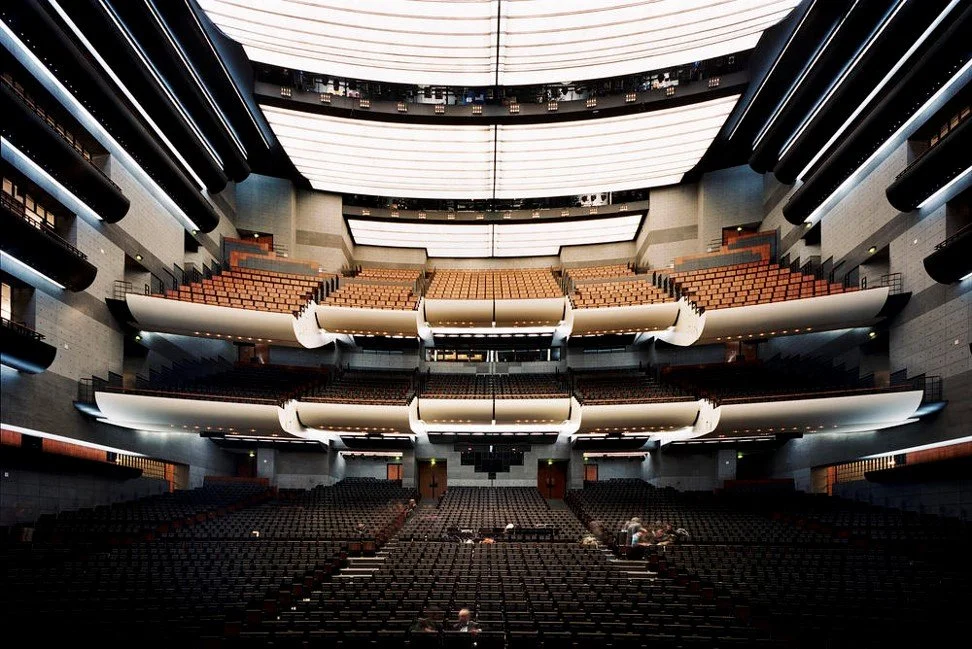
Now look over here, the massive glass-and-steel structure rising before you is the Opéra Bastille, one of the largest and most technically advanced opera houses in the world. It’s not just a concert hall, it’s a cathedral of the performing arts, born from the ambitious 'Grands Travaux' launched by President François Mitterrand in the 1980s.
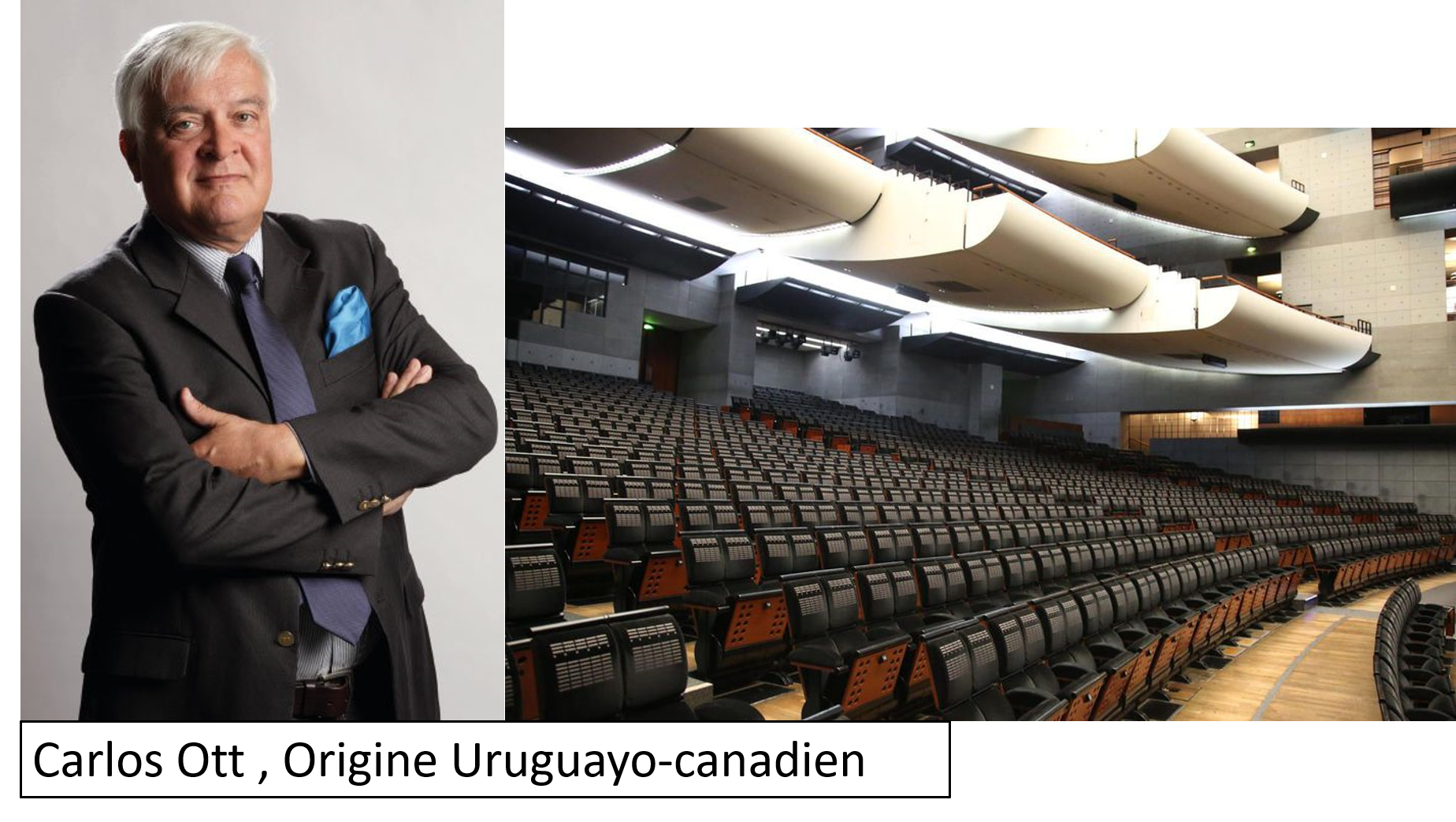
When the international design competition was launched, no fewer than 750 architects submitted their ideas. The winner? A total unknown at the time, Carlos Ott, a young Uruguayan-Canadian architect. Quite a surprise, but what a legacy!
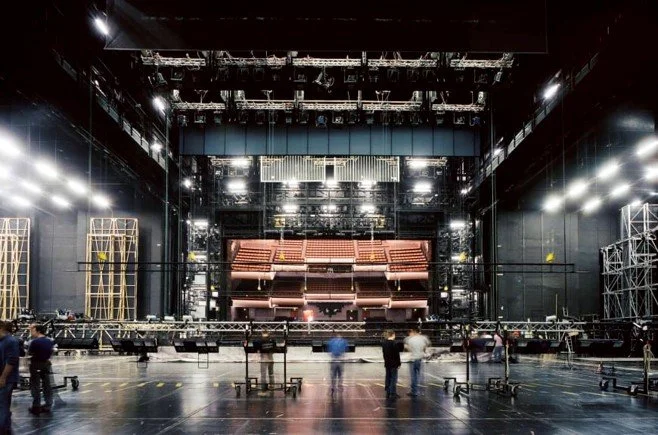
Construction took seven years of political struggle, engineering challenges, and architectural ambition. Today, it holds 2,745 seats and boasts the largest opera stage in Europe, a massive 750 m², surrounded by side and back stages of similar size. In fact, the visible stage only represents 5% of the entire building. Hidden underneath is what they call “the underworld”, another full-sized stage 25 meters below ground, deeper than the Paris metro and even below the level of the Seine.
Oh, and here’s a fun fact: someone once calculated that building this opera house cost about €2 per kilo, so technically, cheaper than cheese.
Despite its grandeur, many French Presidents have shunned it, Chirac, Sarkozy, Hollande, and Macron never officially set foot inside.
With 10,000 m² of space and 45 meters in height, it’s a Guinness World Record-holder. Whether you love opera or not, the engineering and cultural impact of this place is truly breathtaking.


Place de la Bastille
-
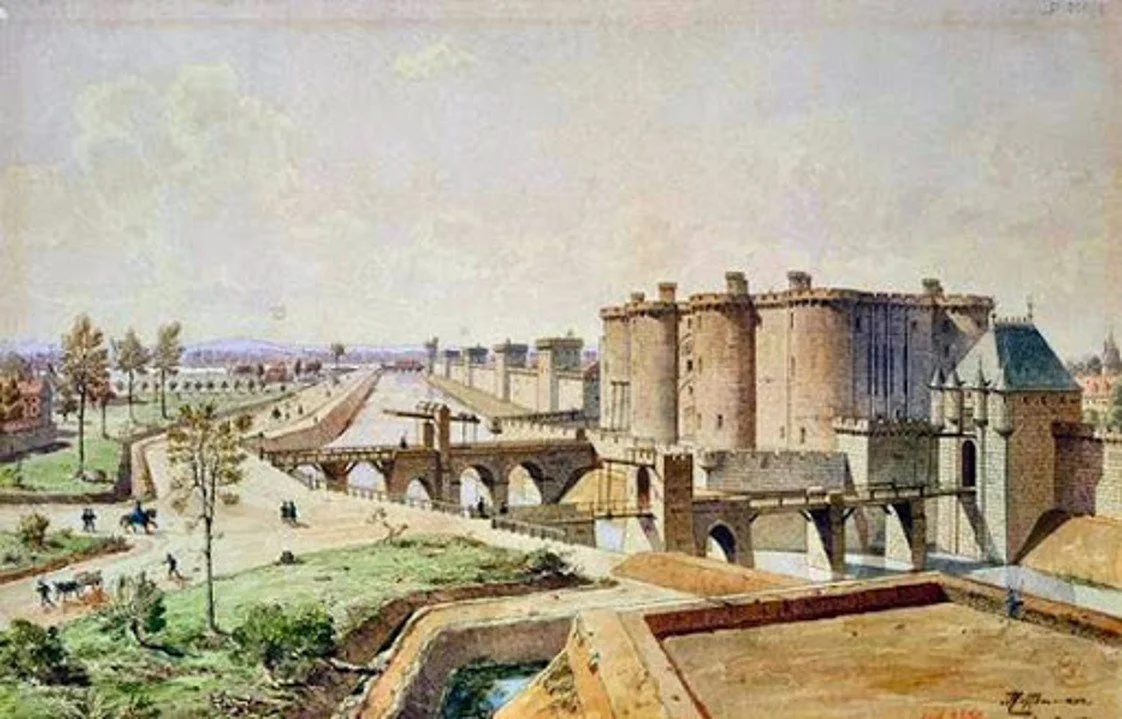
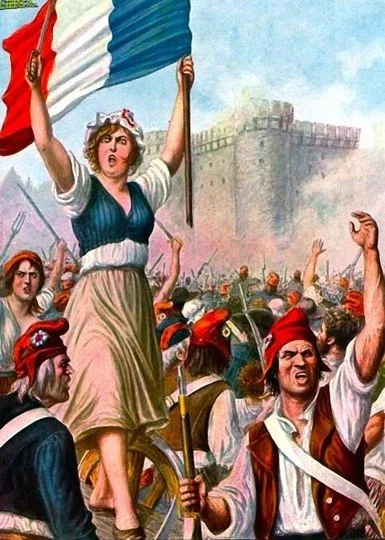
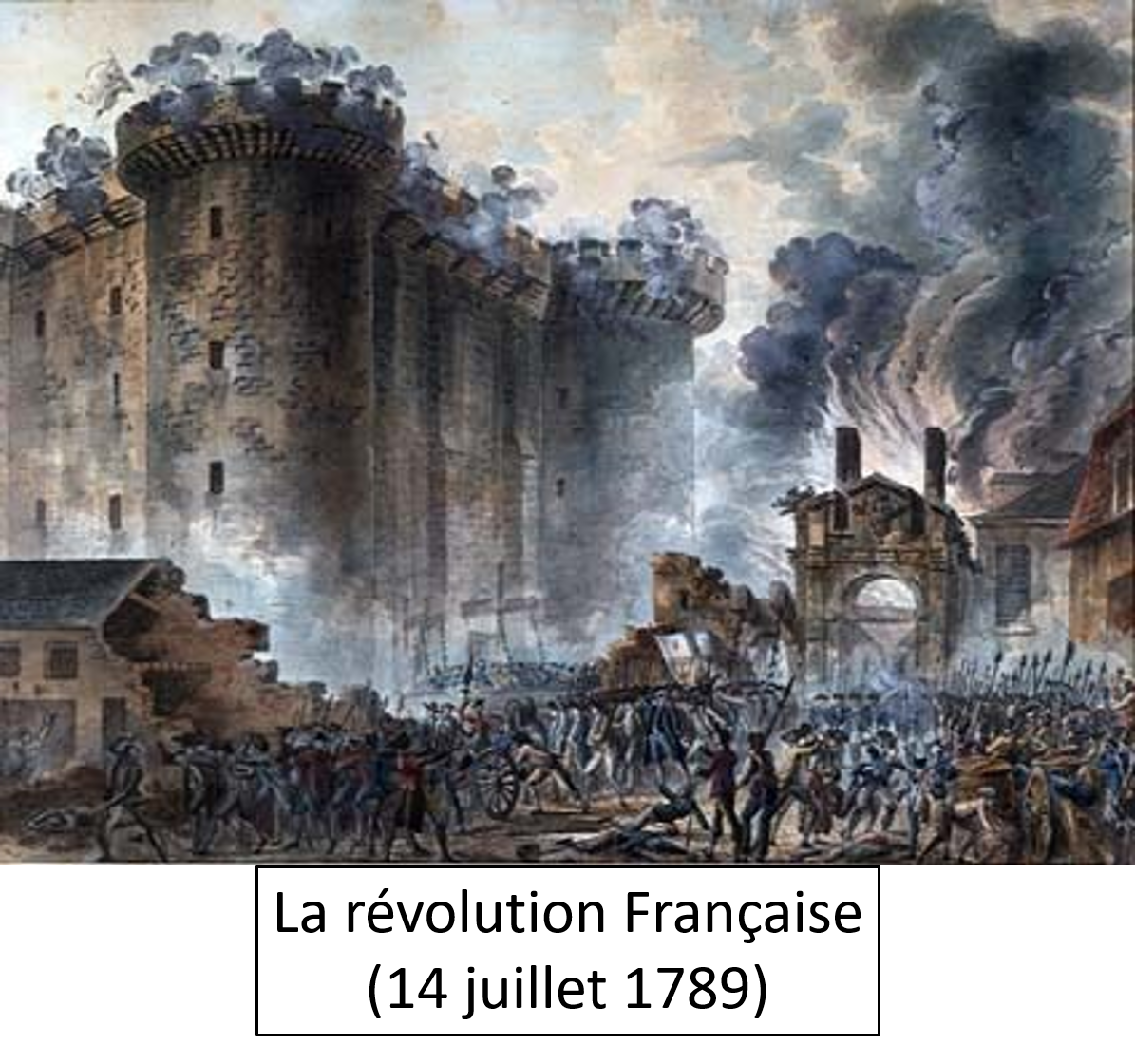
Here we are at Place de la Bastille, a square loaded with history and emotion. Right here once stood a massive medieval fortress, the infamous Bastille prison, which was completely destroyed on July 14th, 1789, during the Storming of the Bastille. That event marked the symbolic beginning of the French Revolution.
Only seven prisoners were inside that day, but the significance of the act was enormous. The people stormed the prison not just to free inmates, but to challenge the absolute power of the monarchy and take gunpowder for the fight to come.
The Bastille was much more than a prison. It was a symbol of royal oppression. Prisoners could be jailed here simply by a “lettre de cachet”, a letter signed by the King with no trial needed. While the wealthy enjoyed relatively comfortable conditions upstairs, some with fireplaces, meals, and visitors, the poor were left to rot in damp underground dungeons. Torture, secrecy, and injustice echoed through these walls.
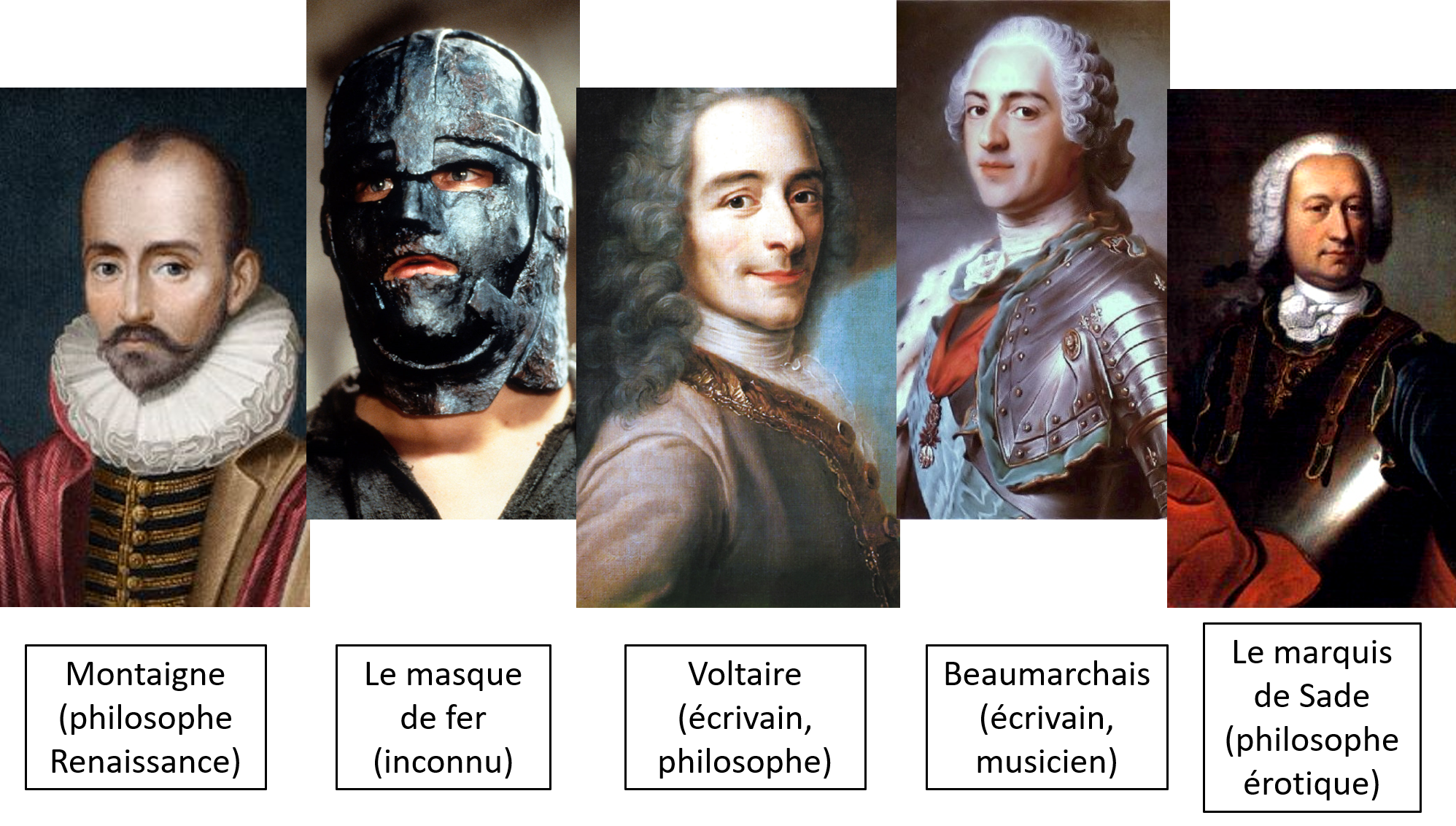
Famous inmates included Voltaire, Montaigne, the Marquis de Sade, and even the legendary Man in the Iron Mask.
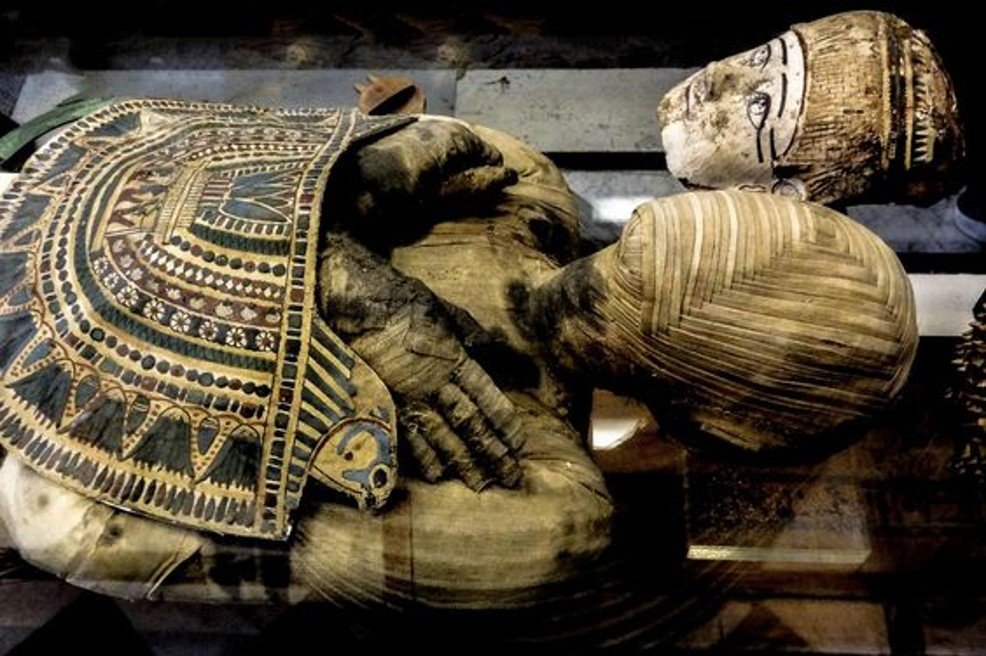
Under the column you see in the center of the square, built to honor those who died during the July Revolution of 1830, lie the remains of around 500 insurgents. But here’s a strange twist: there are also Egyptian mummies buried beneath your feet, accidentally placed there after Bonaparte's Egyptian campaign. So yes, this might be the most unusual and historic tombstone in all of Paris.
Statue of Beaumarchais
-
Here we are, in front of the statue of Beaumarchais.
Most of you probably know him for his witty and satirical plays, especially The Barber of Seville and The Marriage of Figaro. But did you know that Pierre-Augustin Caron de Beaumarchais was also a brilliant watchmaker?He actually won the favor of King Louis XV and his court thanks to his extraordinary timepieces, well before he became a celebrated playwright and political figure.
So yes, Beaumarchais could make you laugh and tell you the time!
Place des Vosges
-
Welcome to the breathtaking Place des Vosges, Paris’ oldest planned square!
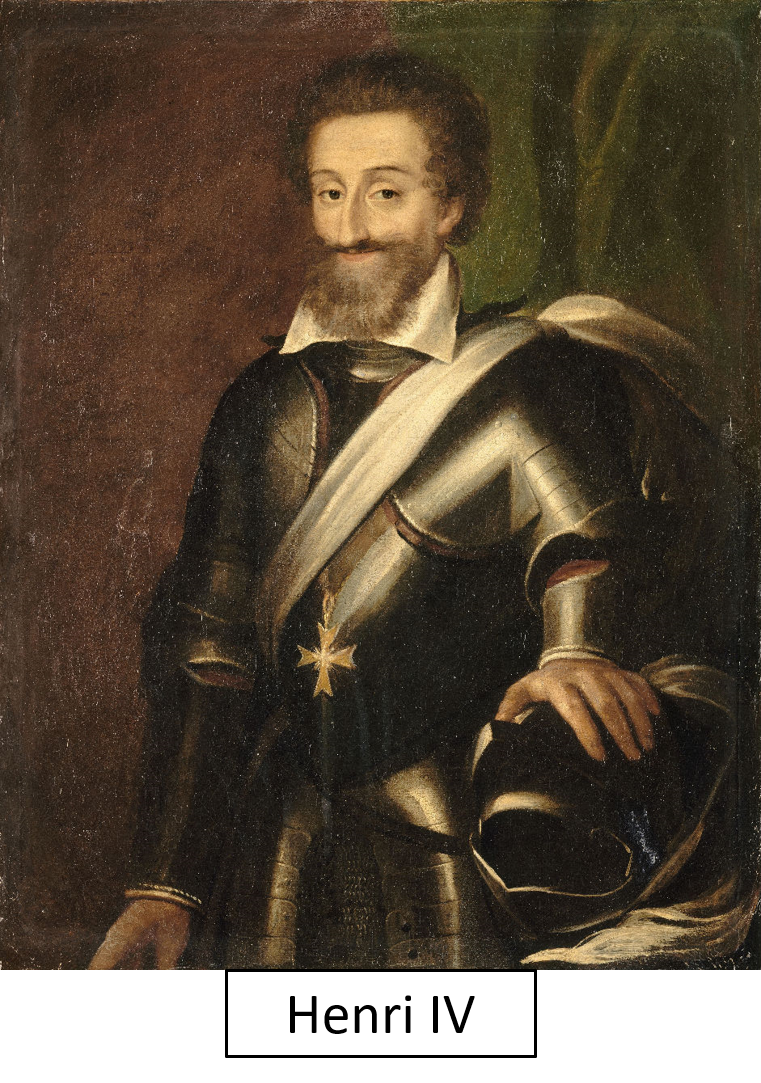
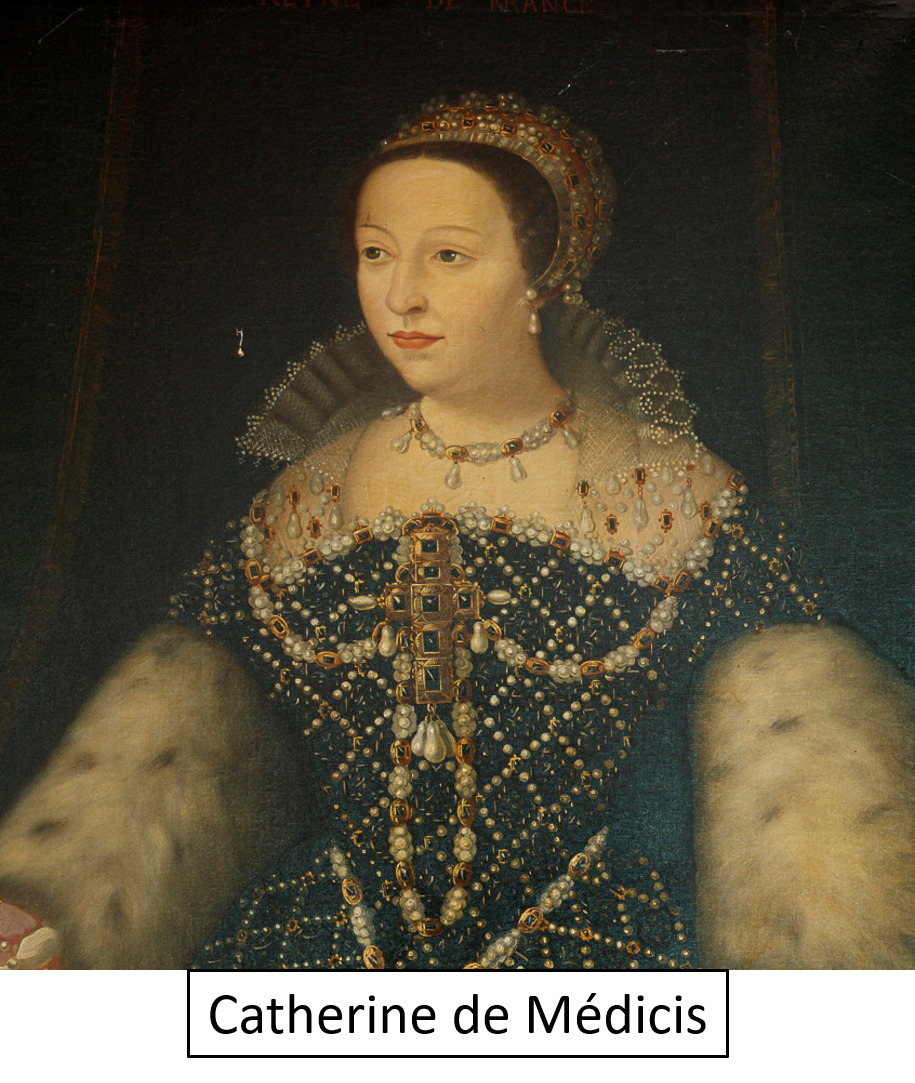
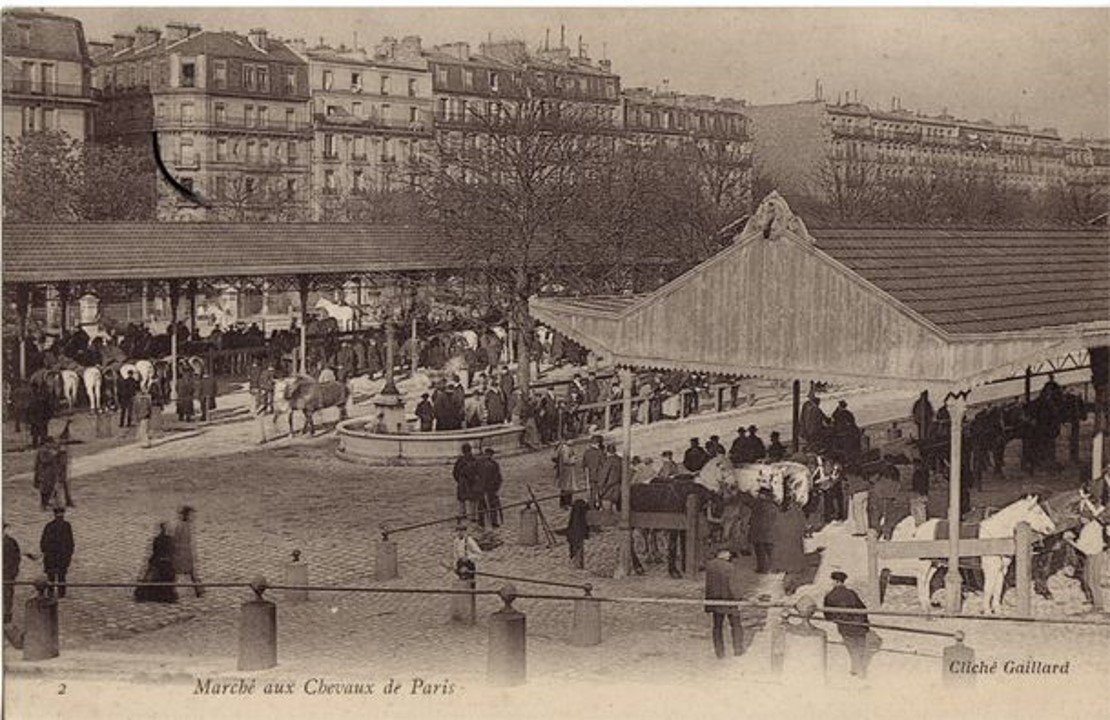
Originally named Place Royale, it was designed between 1605 and 1612 during the reign of King Henri IV. Before that, this very spot was occupied by the Hôtel des Tournelles, a royal residence destroyed in 1563 by Catherine de Medici after the tragic death of her husband Henri II. For a time, it became a horse market, then Henri IV attempted to install a silk and silver thread factory, but it didn’t take off.
So instead, he envisioned something grand: a perfectly symmetrical square of 36 houses, all identical in design, with brick facades, stone details, and elegant arcades. It quickly became the center of aristocratic life in Paris. Wealthy families moved in, and the surrounding area flourished with classic hôtels particuliers, mansions built between a private courtyard and a garden.
During the Revolution, the square was renamed “Place de l’Indivisibilité,” but in 1800, it received its current name, Place des Vosges in honor of the Vosges region, the first French département to pay its taxes to the new Republic.
Statue of Louis XIII
-
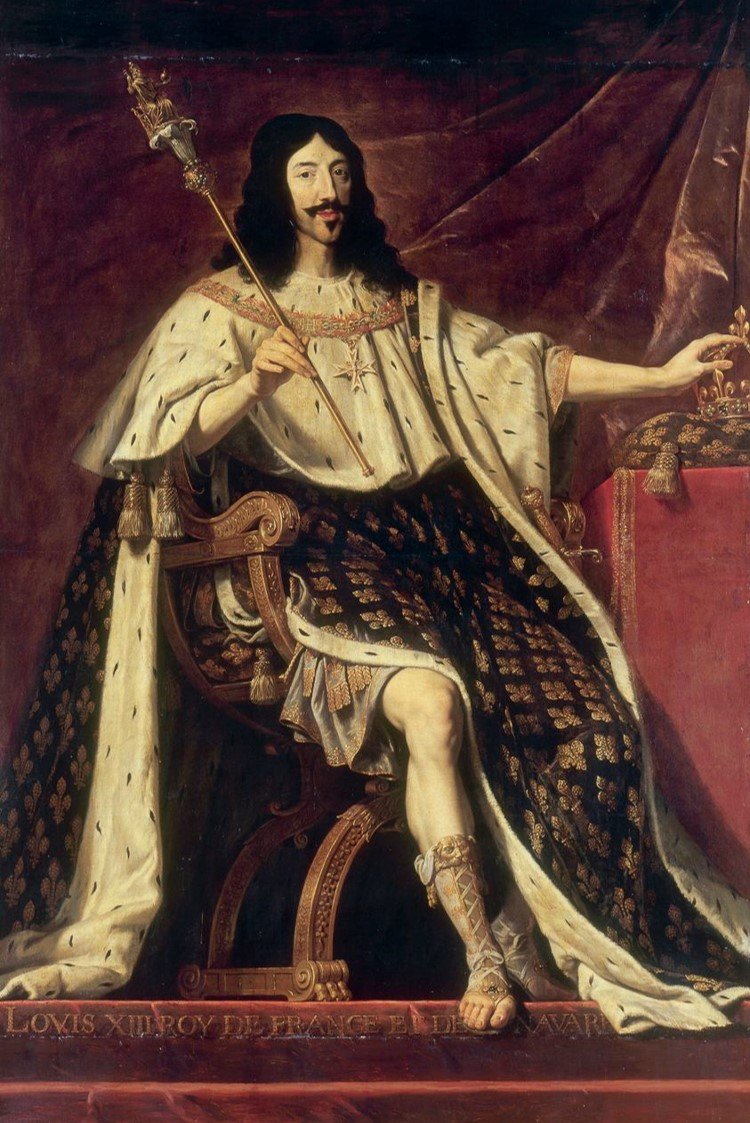
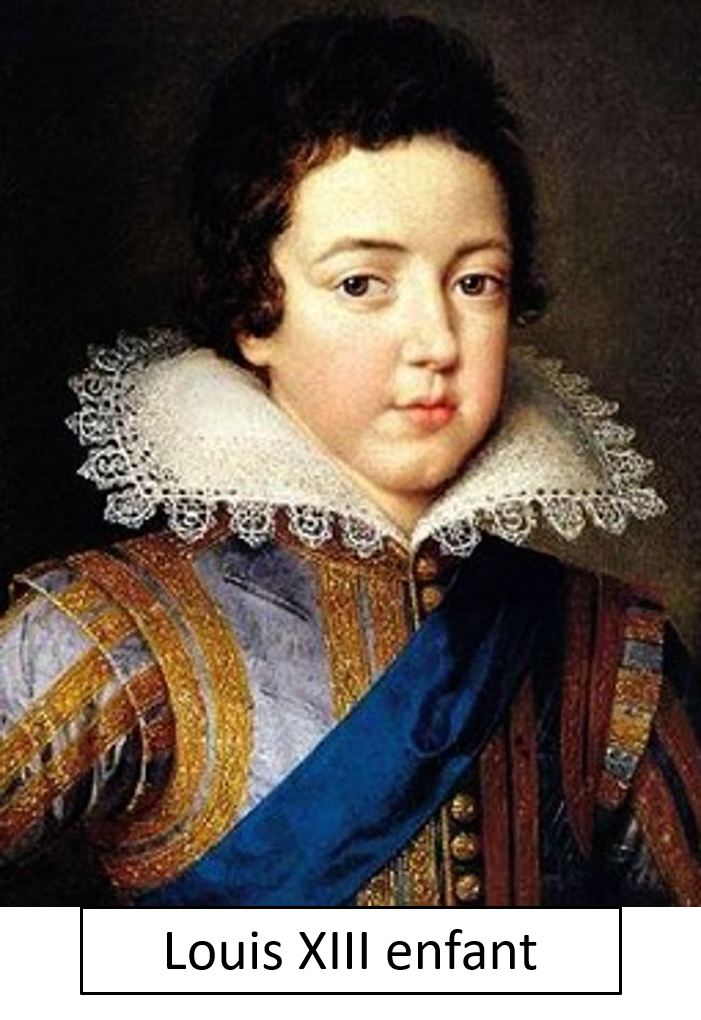
Now take a look at the statue of Louis XIII, right here in the center of Place des Vosges.
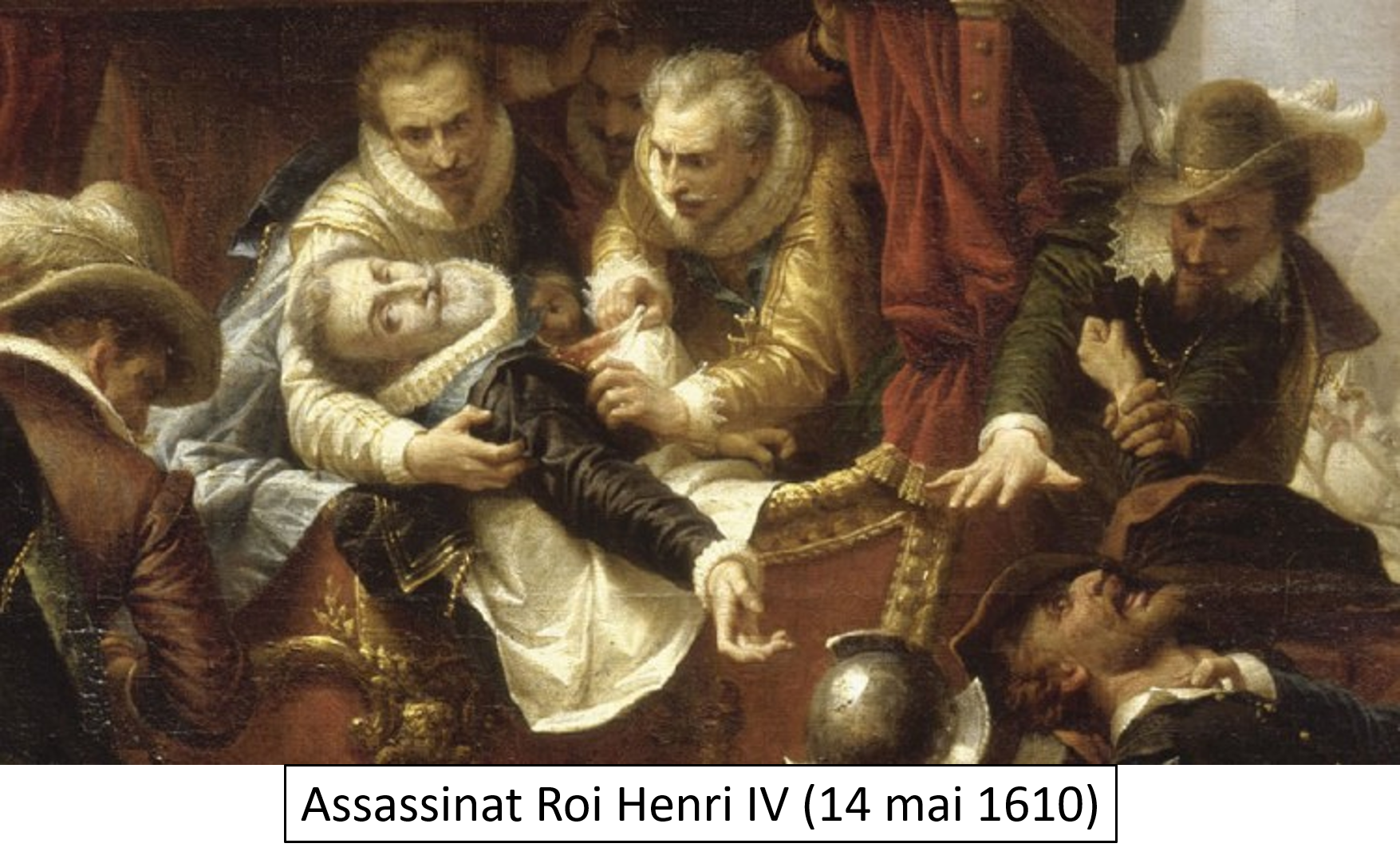
Louis XIII didn’t exactly come to the throne under the happiest of circumstances... His father, Henri IV, was assassinated on May 14, 1610. At that time, Louis was just 9 years old. Suddenly, the boy becomes King of France.
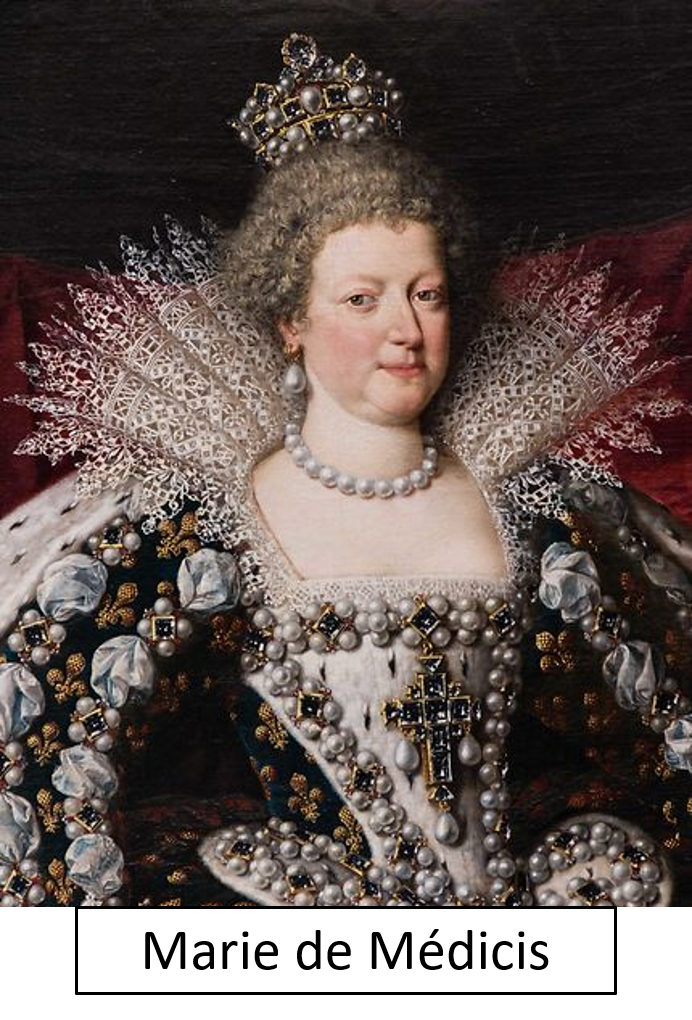
His mother, Marie de Medici, immediately grabs hold of the reins of power by claiming the regency. She rules in his name until 1617.
But the mother-son relationship turns sour. Louis XIII ends up exiling his mother to the Château de Blois, and this begins a long and politically messy feud between the two. The early years of his personal reign are plagued by rebellions, often backed by his own mother, who even raises troops and taxes to challenge her son's authority!
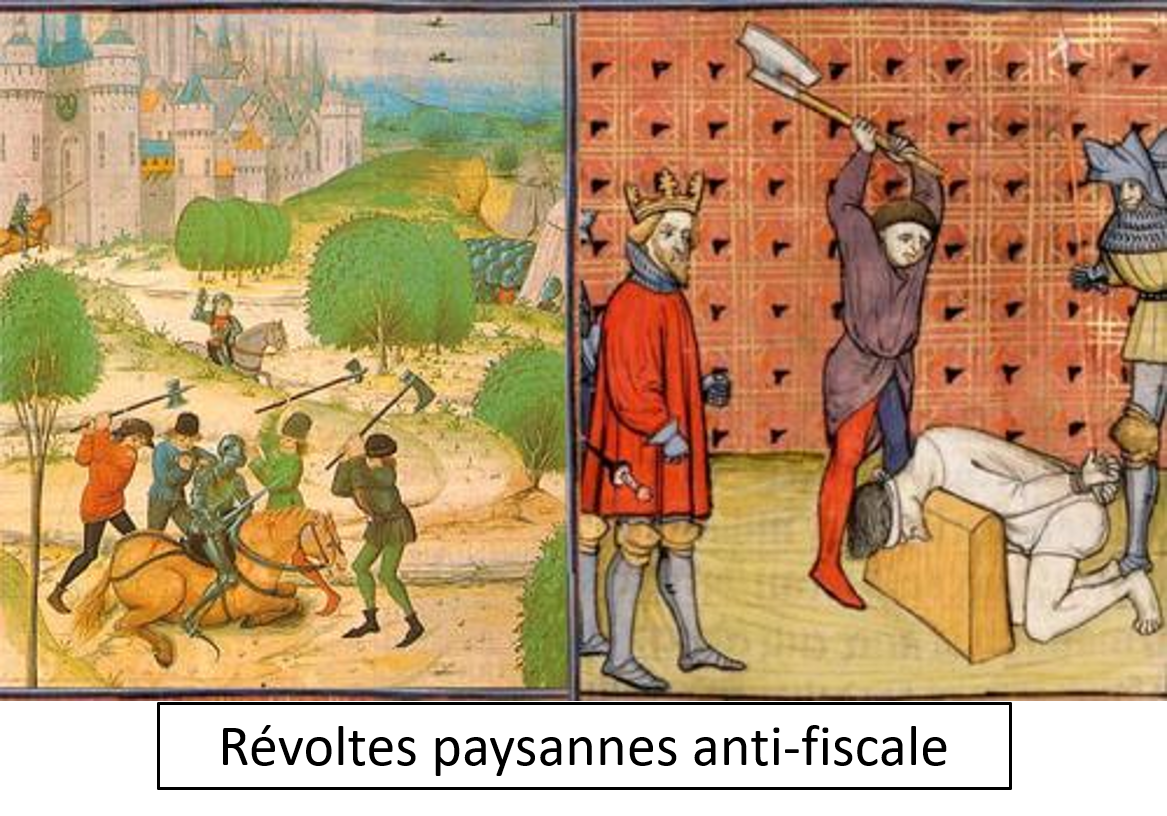
His reign is also marked by peasant uprisings, especially against heavy taxation. And on top of that, Louis suffered from a chronic intestinal disease, likely Crohn’s disease. He dies young, in 1643, at the age of 42.
Ironically, his death mirrors that of his father: it marks the start of another maternal regency, this time for his young son, Louis XIV.
Victor Hugo’s House
-
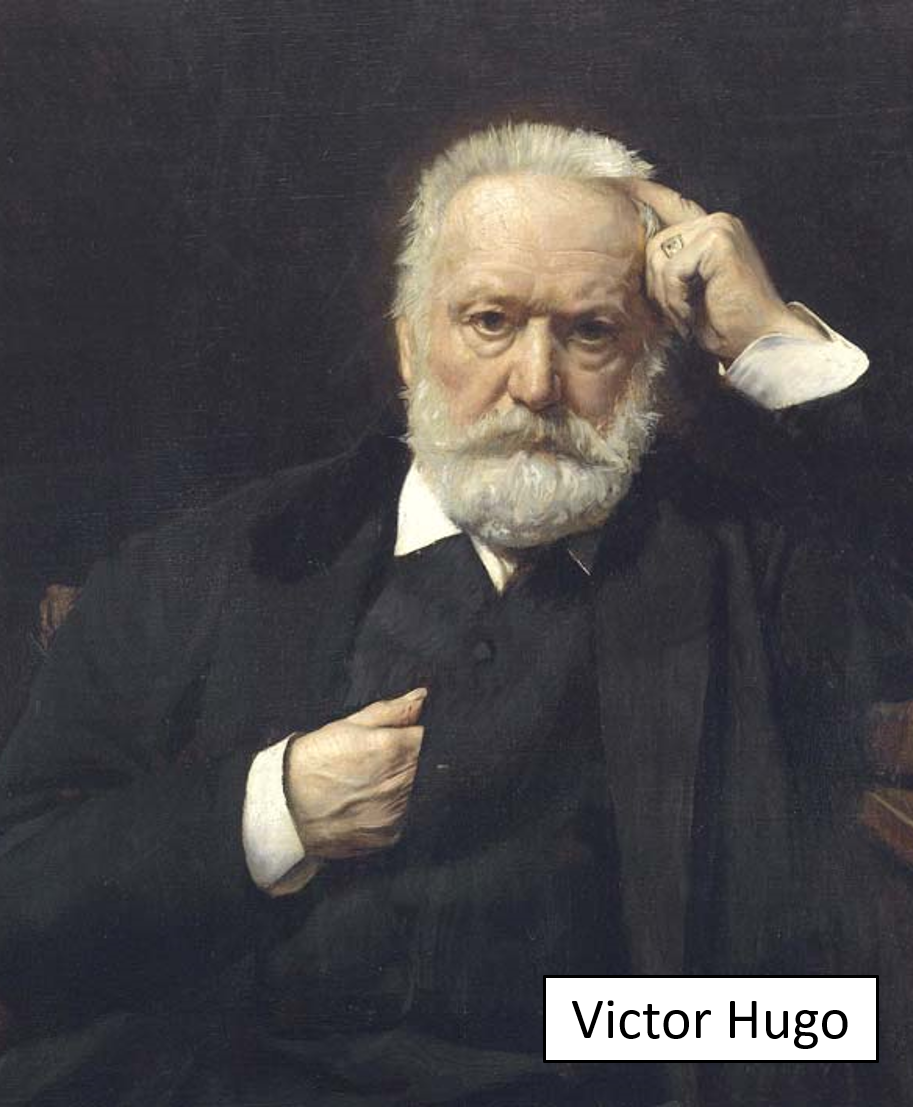
Now let’s talk about Victor Hugo, one of the greatest literary minds France has ever known.
He was a poet, playwright, novelist, artist… and one of the leading figures of the French Romantic movement. In the world of theater, Hugo was a true revolutionary, tearing down the rules of classicism and shaking things up with his bold, emotional works.
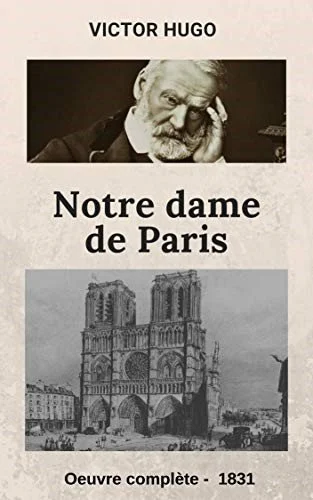
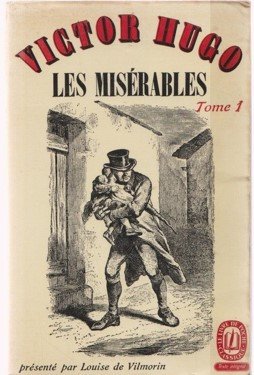
His novels? Absolute blockbusters of their time! Notre-Dame de Paris, you might know it as The Hunchback of Notre-Dame, was published in 1831, and Les Misérables in 1862, becoming an instant sensation.
Victor Hugo wasn’t just a man of letters. He was a man of convictions. Through his writing and especially through his public stands, he helped generations of readers reflect on what it means for a writer to be socially and politically engaged.
And if you want to understand what Paris felt like in the 19th century, its sights, its people, its struggles, you need only open the pages of Victor Hugo… or of his contemporary, Jules Verne, who captured the century’s scientific wonders just as brilliantly.
The oldest graffiti in Paris !
11 Pl. des Vosges, 75004 Paris
(inscribed on the facade of one of the stone columns)
-
Now here's something you won't find in any textbook, the oldest graffiti in Paris!
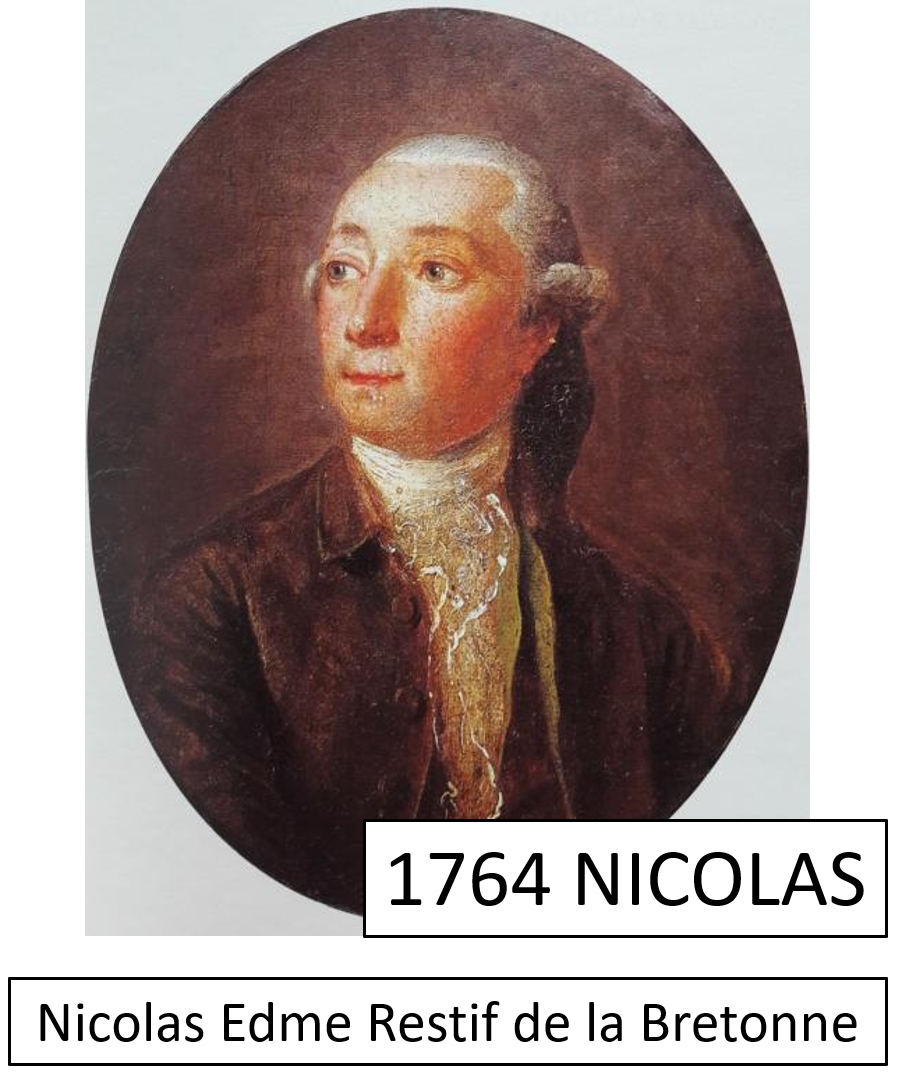
Right here, on this very wall, you can still read it: "1764 NICOLAS". It was carved by Nicolas-Edme Restif de la Bretonne, a writer, philosopher, and possibly the city’s very first street artist!
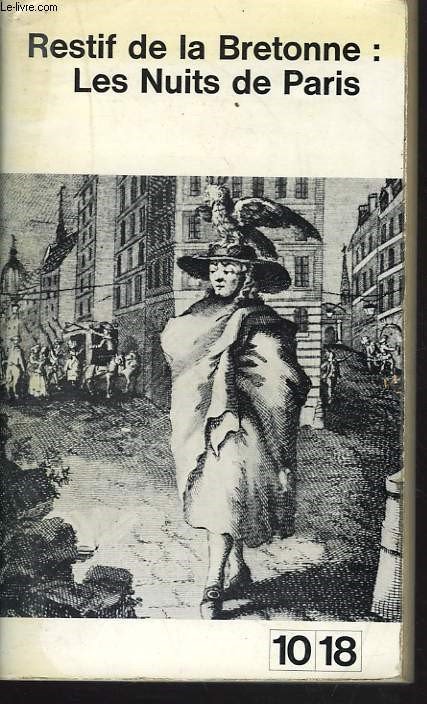
Restif was a tireless walker, always wandering the streets of Paris at night. He observed everything: the people, the noises, the chaos of a medieval city slowly heading toward revolution. These nightly strolls inspired his famous book Les Nuits de Paris, published in 1788, a raw, mythological portrait of the city on the edge of transformation.
But he didn’t just write. As he wandered, he also engraved his thoughts and the dates of his walks onto the city’s walls, using keys or bits of iron. Think of him as the original graffiti artist, long before spray paint and street art became a movement.
Out of the hundreds he left behind, only one remains: this one. “1764 NICOLAS.” Almost 260 years later, still here!
Garden of the Hôtel de Sully
-
Now we’re entering the beautiful garden of the Hôtel de Sully, a peaceful green haven tucked behind a majestic 17th-century townhouse.
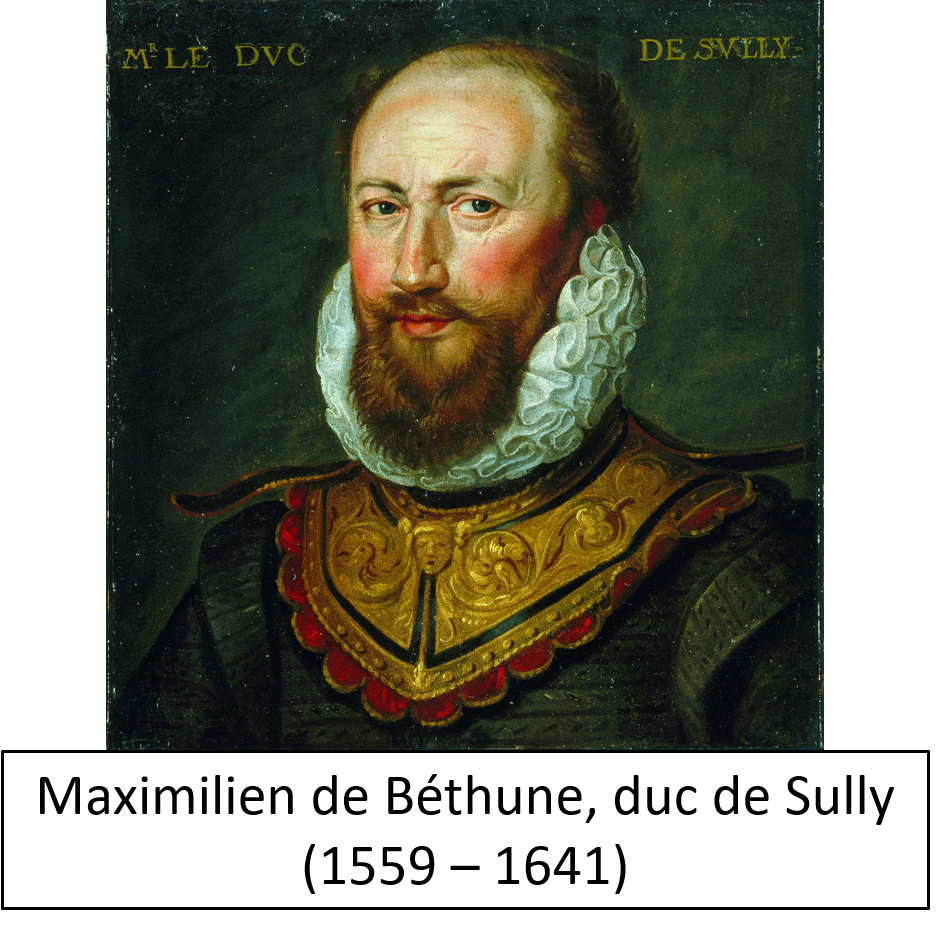
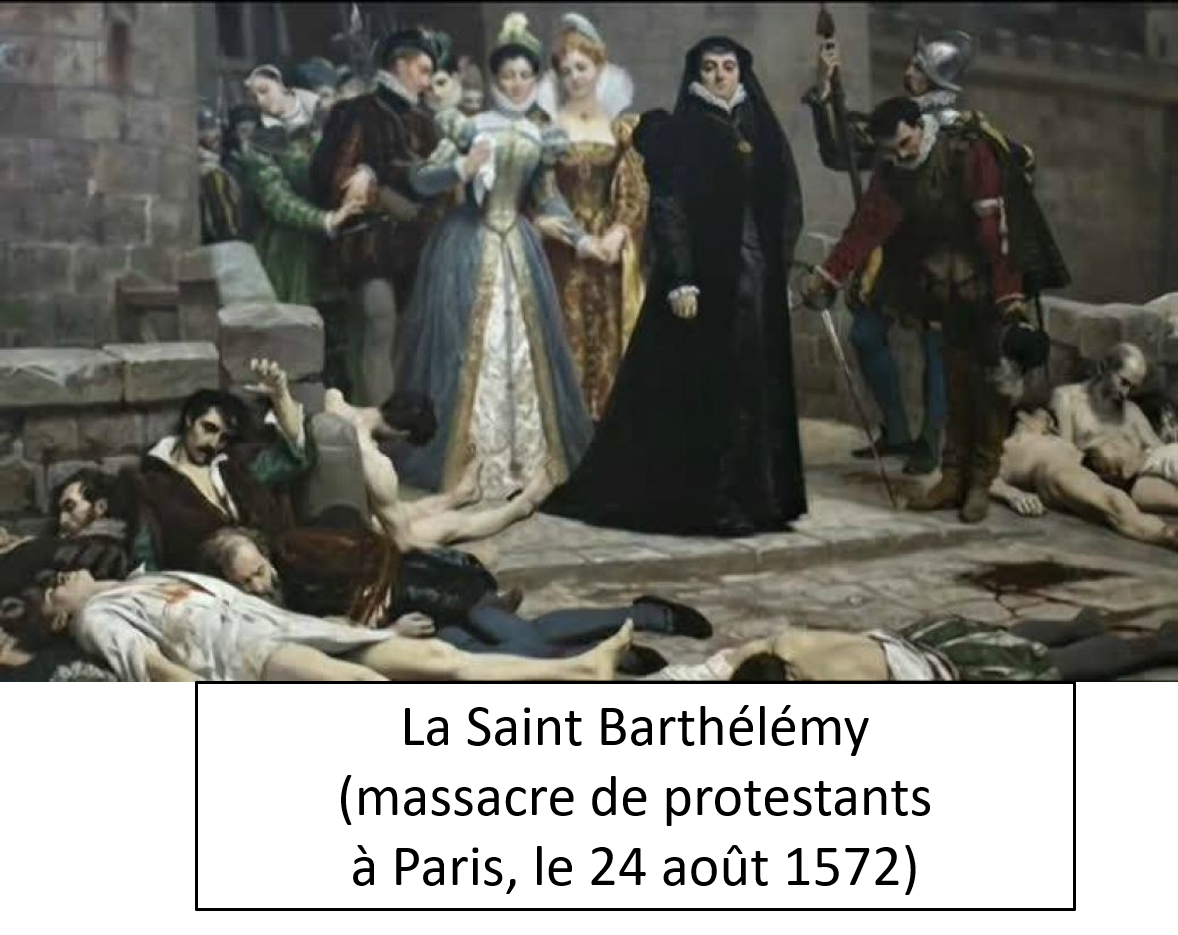
The name “Sully” comes from Maximilien de Béthune, Duke of Sully (1559–1641), one of the closest allies and ministers of King Henry IV. Their friendship began after the St. Bartholomew’s Day Massacre, in 1572, a violent episode that saw thousands of Protestants killed in Paris. Sully, himself a Protestant, survived and remained loyal to the king for life.
In 1598, Sully was appointed Superintendent of Finances, and he was brilliant at his job! He helped balance the kingdom’s finances, promoted the planting of mulberry trees to develop silk production, encouraged agriculture, removed tolls on grain, and even supported the construction of canals, like the Canal of Briare, linking the Seine and the Loire.
But after Henry IV’s tragic assassination, Sully was pushed aside in 1611. He withdrew from political life and spent his later years far from court.
Today, this peaceful garden stands as a tribute to a man who helped shape France's economy and infrastructure and whose legacy lives on in the very heart of the Marais.
Paroisse Saint-Paul Saint-Louis
-
Now we’re standing in front of the majestic Saint-Paul Saint-Louis Church, a true symbol of 17th-century religious architecture in Paris.
This church was built over 14 years, and completed in 1641. It was commissioned by the Jesuits and funded in part by the French monarchy, with none other than King Louis XIII attending the inaugural mass!
Saint-Paul Saint-Louis was also the first church in Paris built in the baroque style, a revolutionary shift at the time. The architecture plays with textures, shadows, light, and color to create an emotionally charged and theatrical experience. Baroque is all about drama, you feel it the moment you walk in!
Take a look at the facade and the massive dome inside. Everything is designed to elevate the soul and impress the senses. It’s a church made to make you feel small… and divine at the same time.
Philippe Auguste’s Wall
21 Rue des Jardins Saint-Paul, 75004 Paris
-
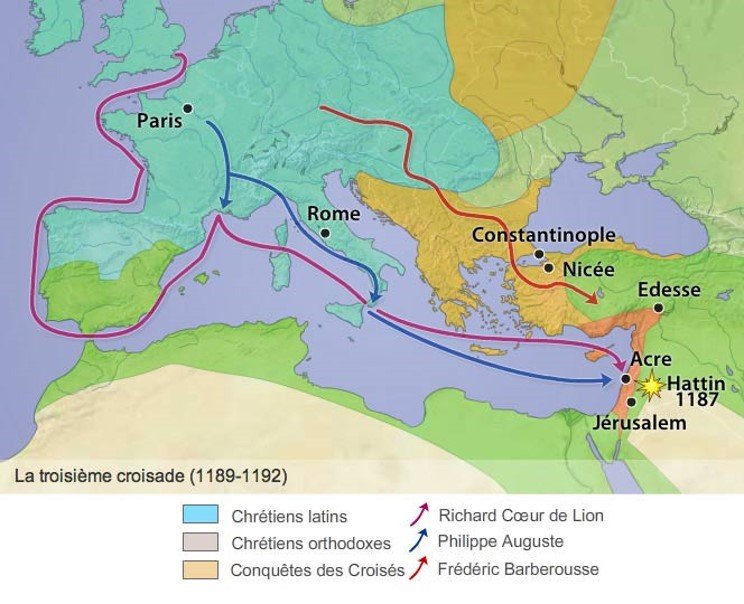
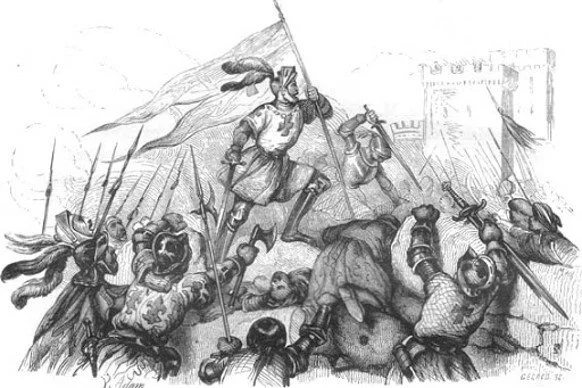
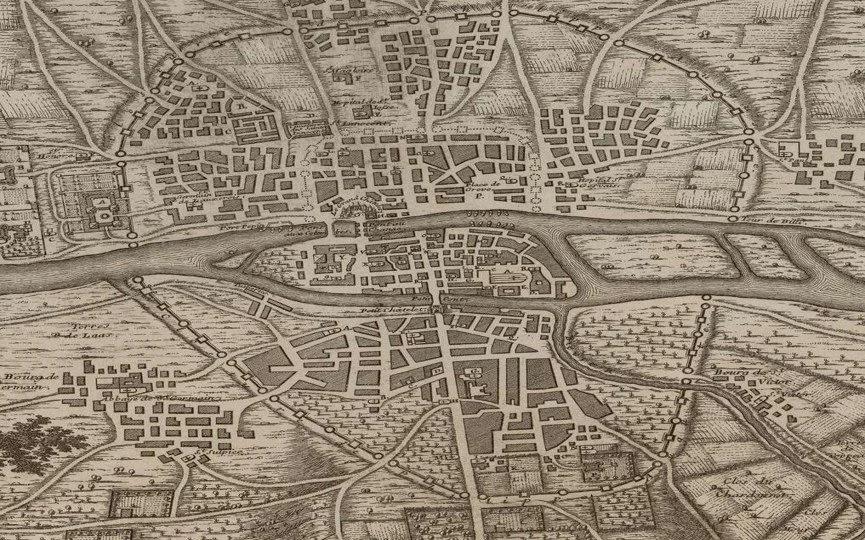
Let’s take a step back to the 12th century. Around 1190, just before he left on the Third Crusade, King Philippe Auguste made a crucial decision: to fortify Paris. At the time, he was concerned about a possible English invasion, remember, the English controlled parts of France, like Normandy.
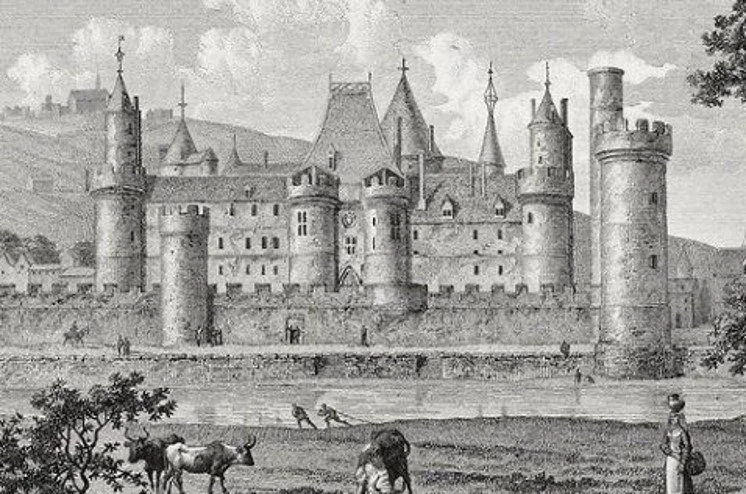
So he ordered the construction of a massive stone wall around the city, which would eventually become the first true fortified enclosure of Paris. The work was done in two phases:
- The Right Bank, more vulnerable to attack from the northwest, was completed between 1190 and 1209.
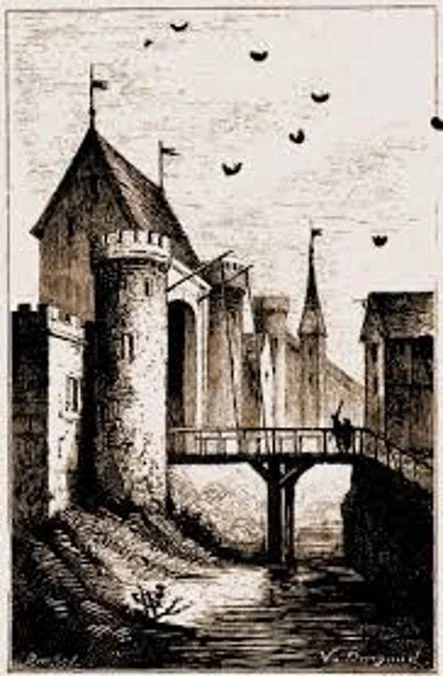
- The Left Bank, considered less urgent, was finished in 1215.The entire wall stretched over 5 kilometers, with 77 towers and 15 fortified gates. Imagine that! All across what are today the 1st, 4th, 5th, and 6th arrondissements, this wall once protected medieval Paris.
What’s truly amazing is that remnants of this wall still exist today. If you know where to look, you'll spot sections built over 800 years ago, a rare and powerful connection to the city’s medieval past.
Hôtel de Sens
-
Now here’s something quite unique: you're looking at the only medieval château still standing in Paris! People often say it’s the most beautiful castle along the Seine, and one of the rare witnesses of the Middle Ages still visible in the capital.
King Henry IV lived here for a while… with two wives. And let’s just say, they weren’t exactly friends.
One evening, curious to see how bad things really were, Henry hid behind the curtains of the grand salon and invited both women to talk... without telling them he was there. What followed was a spectacular fight, so vulgar that, legend has it, it inspired the creation of the Académie Française to "clean up" the French language... in 1743. A royal solution to a royal insult fest, apparently.Another famous figure lived here too: Marguerite de Valois, better known as Queen Margot.
She only stayed for about a year, but her time here was anything but peaceful. In 1606, as her 18-year-old lover was helping her out of her carriage, he was shot in the head, by her previous lover, who was only 20 years old! Margot was so outraged by this crime of passion that just days later, the young assassin was beheaded right in front of the building, while she watched from an upstairs window.And here’s a final detail you won’t want to miss: if you look closely at the façade, you’ll see a real cannonball still embedded in the stone. It dates back to the Revolution of July 1830, and was left there intentionally, a lasting reminder of the uprisings that shaped modern France.

Korean War Memorial
-
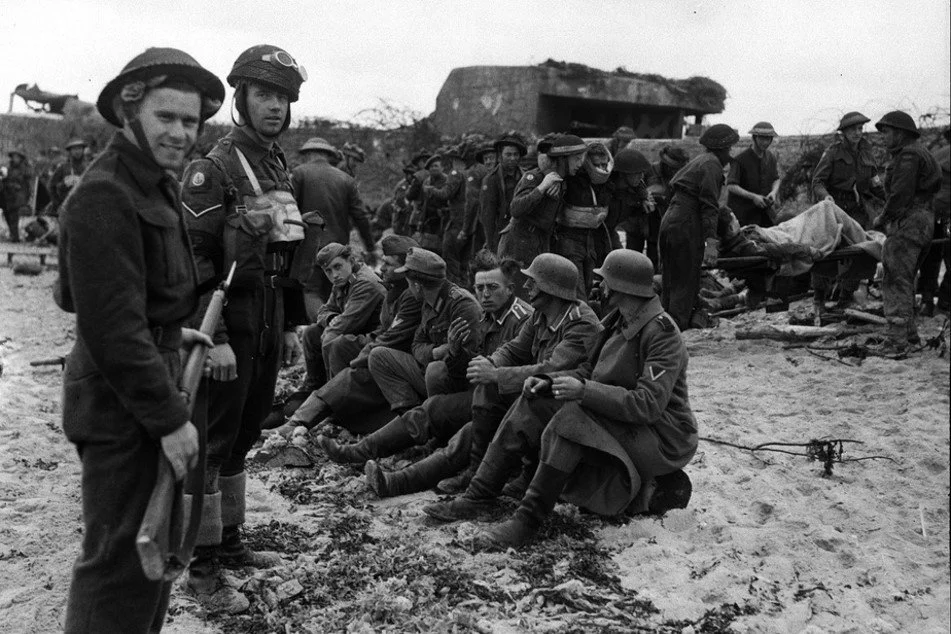
Now take a moment here, on Rue de l’Hôtel de Ville, to look at this small but powerful monument: the French Korean War Memorial.
It may not be as grand as other Parisian landmarks, but it holds deep significance. It was placed here to honor the French soldiers who volunteered to fight in Korea between 1950 and 1953, as part of a U.N. coalition.
After North Korea invaded South Korea on June 25, 1950, the United Nations quickly passed a resolution calling for military support. France, though just emerging from World War II, responded. About 3,500 French troops fought in Korea, integrated into the U.S. 2nd Infantry Division.
And despite the distance and the limited public attention, 262 of them never came home.This memorial is a rare reminder in Paris of France’s commitment to international peacekeeping, and the price that commitment can carry.

the oldest timber-framed houses in Paris
11 Rue François Miron, 75004 Paris
-
Alright everyone, let’s stop for a moment in front of these two incredible houses at 11 and 13 rue François Miron.
What you’re looking at here are two of the oldest timber-framed houses in Paris, dating back to the 16th century.Back in medieval times, these half-timbered façades were common. But over time, they became rare.
Why? Well, in 1508, the city banned overhanging constructions, they were at risk of collapsing! And then, in 1607, wooden façades had to be covered with plaster to reduce fire hazards. So slowly, these architectural features disappeared from the city.These two houses were rediscovered and beautifully restored in the 1960s, revealing once again their medieval charm.
Notice the old shop signs too, "Le Faucheur" (The Reaper) and "Le Mouton" (The Sheep)", which were used to identify buildings back when most people couldn't read.
Aux Merveilleux de Fred
24 Rue du Pont Louis-Philippe, 75004 Paris
Do a stop and Taste the best Pastries in this shop !
It specializes in a Northern French treat known as the “merveilleux”, which means marvelous. And believe me, they live up to their name.
Delicate meringue, light as air, covered in whipped cream and coated with chocolate shavings or caramelized hazelnuts… They’re sweet, soft, and completely irresistible.
Fred, short for Frédéric Vaucamps, is the genius behind it all. He started in Lille, in the north of France, and his success led him to open boutiques in Paris, London, New York… even Tokyo!
Inside the shop, you’ll often see the pastries being made right before your eyes, it’s mesmerizing. And the smell? Absolutely heavenly. Even if you’re not a dessert person, this might just convert you.
(they are everywhere in Paris)
Église Saint-Gervais-Saint-Protais
-
Now, let’s stop here in front of Saint-Gervais-Saint-Protais Church, one of the oldest parish churches in Paris. Its construction began in 1494 and wasn’t completed until the 17th century, largely due to interruptions caused by the Wars of Religion.
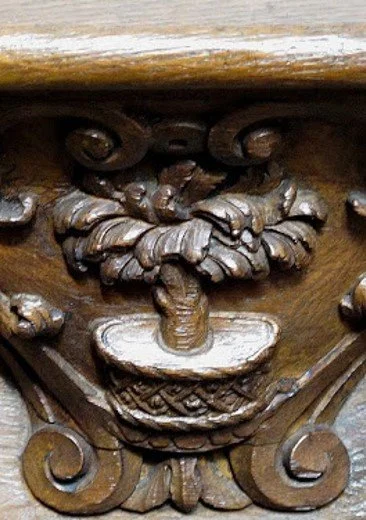
Now, take a look at that tree right in front of the church, that’s an elm tree, and it’s quite special.
See the strange scar running down its trunk? Legend has it, the tree was struck by lightning… but more interestingly, locals say it has magnetic healing powers! Don’t believe me? Try it for yourself, just place your hand on the bark and wait a few minutes. Many say they feel instantly energized. Mysterious, right?Actually, planting elms or palm trees in front of churches goes way back. Early Christians used to carve a palm on the tombs of martyrs as a symbol of victory, and later, they'd plant trees in their honor in front of churches dedicated to them.
As for this particular elm, it was chopped down during the French Revolution to be used for cannon carriages, war has little mercy, even for trees.
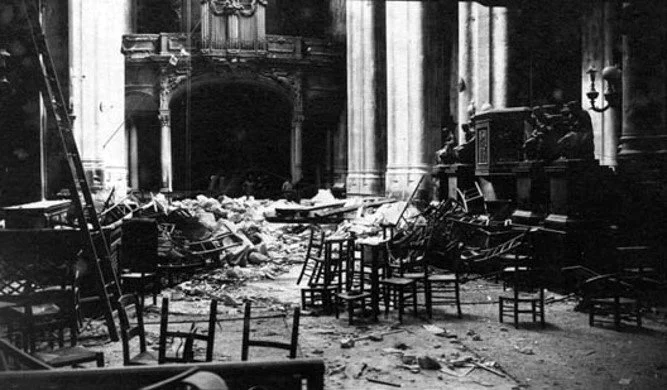
And speaking of war, one of the deadliest bombings of World War I happened right here. On March 29, 1918, a German long-range cannon, mistakenly called Big Bertha, hit the church during Good Friday mass. The shell tore through the roof, killing 92 people and injuring 68 others. A tragic reminder of how war even reaches places of worship.
BHV Marais
-
And now, let’s talk shopping!
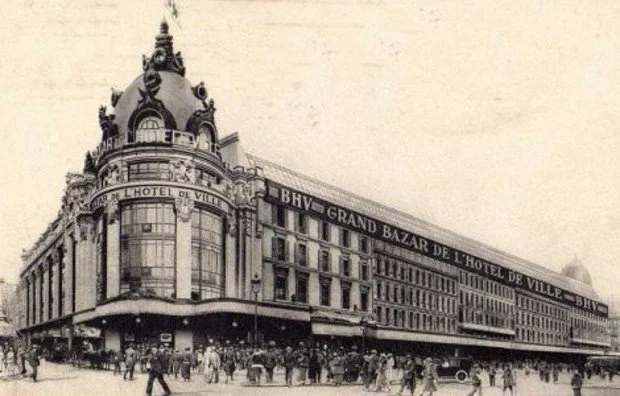
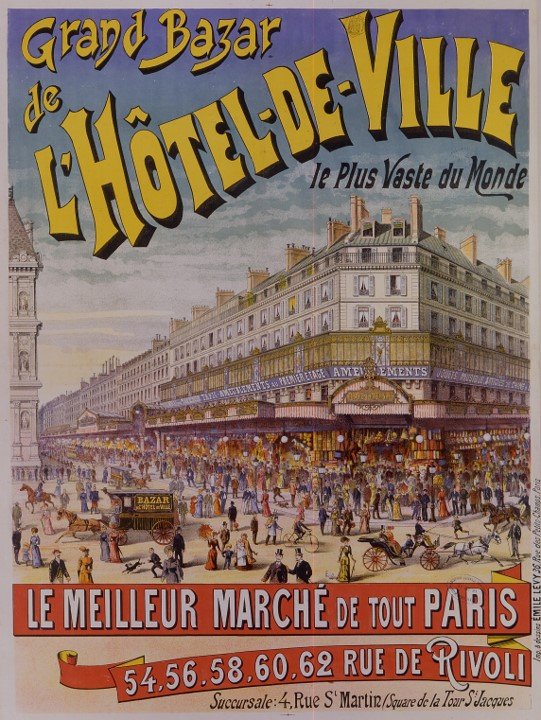
Right in the heart of the Marais district, you’ll find a true Parisian institution: the BHV Marais.Opened back in 1856, just four years after Le Bon Marché, it’s one of the oldest department stores in Paris. Originally called the “Bazar de l’Hôtel de Ville,” it was renamed BHV Marais in 2013, but it hasn’t lost any of its historic charm.
In fact, it was one of the first stores in the capital to offer fixed prices on labeled items, making it accessible to a wider range of customers, from the middle class to working-class Parisians. Quite a revolution in retail at the time!
Today, it’s a shopper’s paradise. You’ll find a wide range of French brands, especially when it comes to leather goods, shoes, and fashion. So whether you’re browsing or ready to splurge, the BHV is a must-see and maybe a must-shop, while in Paris.
Hôtel de Ville - Paris City Hall
-
Here we are in front of Paris City Hall, the Hôtel de Ville.
It’s been standing on this very spot since 1357! Well… not this exact building—the original one sadly burned down in 1871, during the dramatic final days of the Paris Commune.What you see today is the result of its reconstruction. And if you look closely at the façade, you’ll notice something special, 200 statues of famous Parisians from the worlds of art, science, and politics, all decorating the walls. A sculpted tribute to the city's intellectual and cultural legacy.
This square in front of the building used to be called Place de Grève. It was once the only real public square in Paris, long before the Place des Vosges was built. But it also had a darker role, it was the city’s main site for public executions for about 500 years.
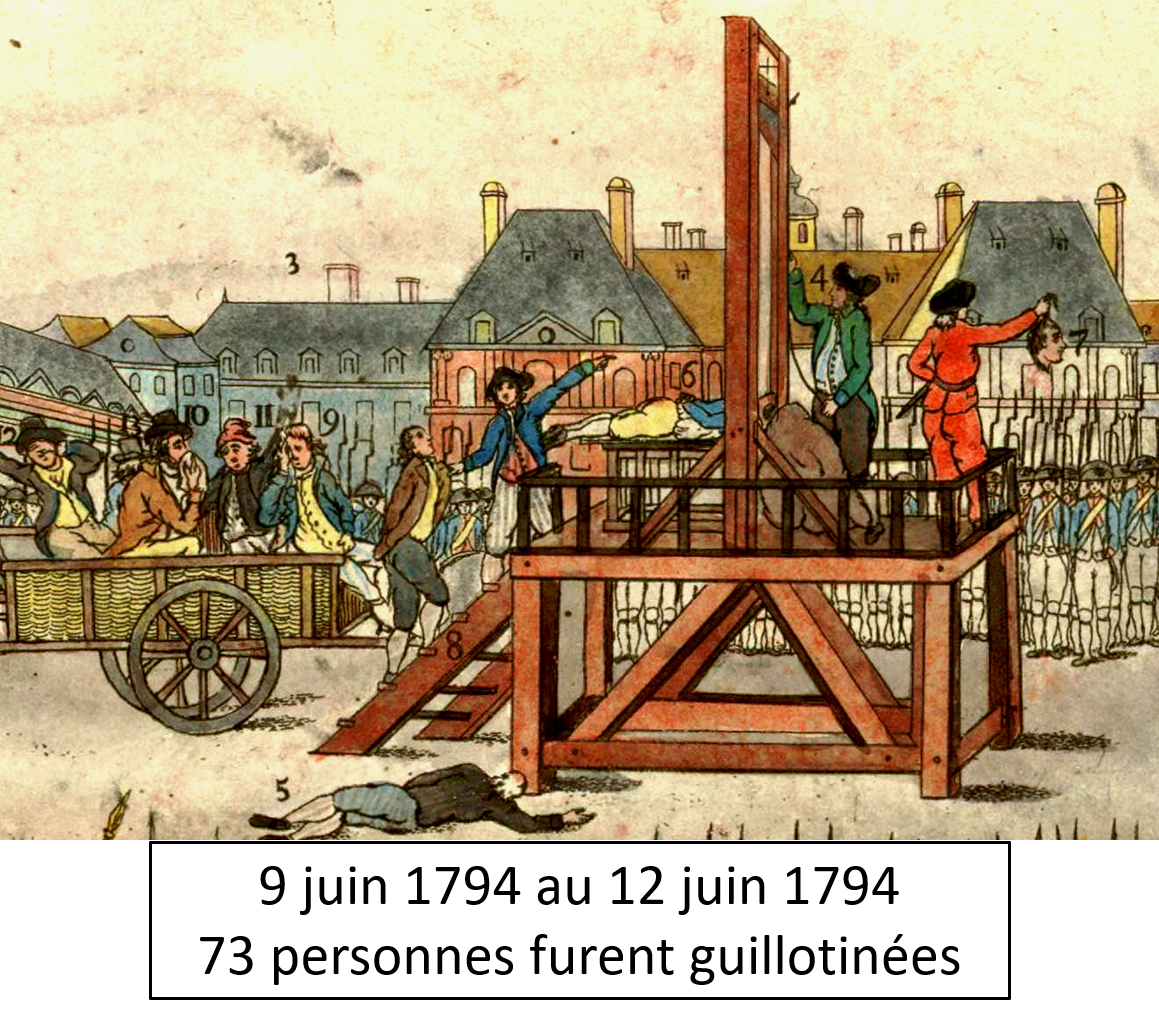
The first recorded execution here took place in 1310, when a woman accused of heresy, Marguerite Perrette, was burned at the stake. And on April 24, 1792, it’s right here that the guillotine made its chilling Parisian debut.
Saint-Merri Church
-
Now take a look above the main entrance of Saint-Merri Church, located at 78 rue Saint-Martin.
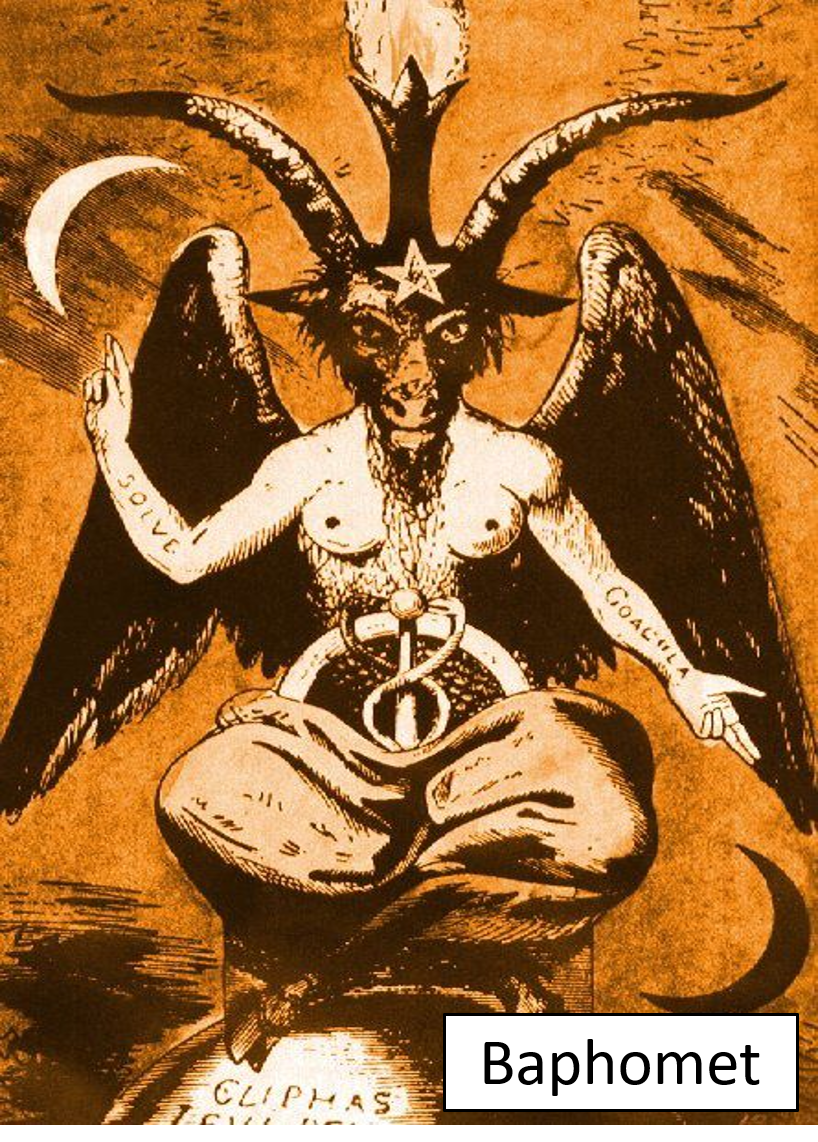
Do you see that little winged figure sculpted into the stone? That’s what many call the "Petit Baphomet", a small, androgynous demon, with both male and female features, wings, and a goat’s beard. A strange figure to find on a Catholic church, right?This symbol is often linked to the Templars, a medieval religious order accused of heresy, and said to have worshipped Baphomet as a demonic idol. Yet here it is, quietly perched above the door of a Christian church.
We’re still not entirely sure why it was put there, but one theory suggests it comes from the Arabic root of “Baphomet”, which could mean “baptism of wisdom.”
Despite the unexpected sculpture, Saint-Merri is far from sinister. In fact, the church hosts not only regular services but also concerts, theatre shows, art exhibitions, and is actively involved in social causes, helping undocumented migrants and offering support to LGBT+ Christians.
So yes, the Baphomet may look a little out of place… but Saint-Merri is very much alive and welcoming in spirit.
“The Future is Unwritten” - OBEY
-
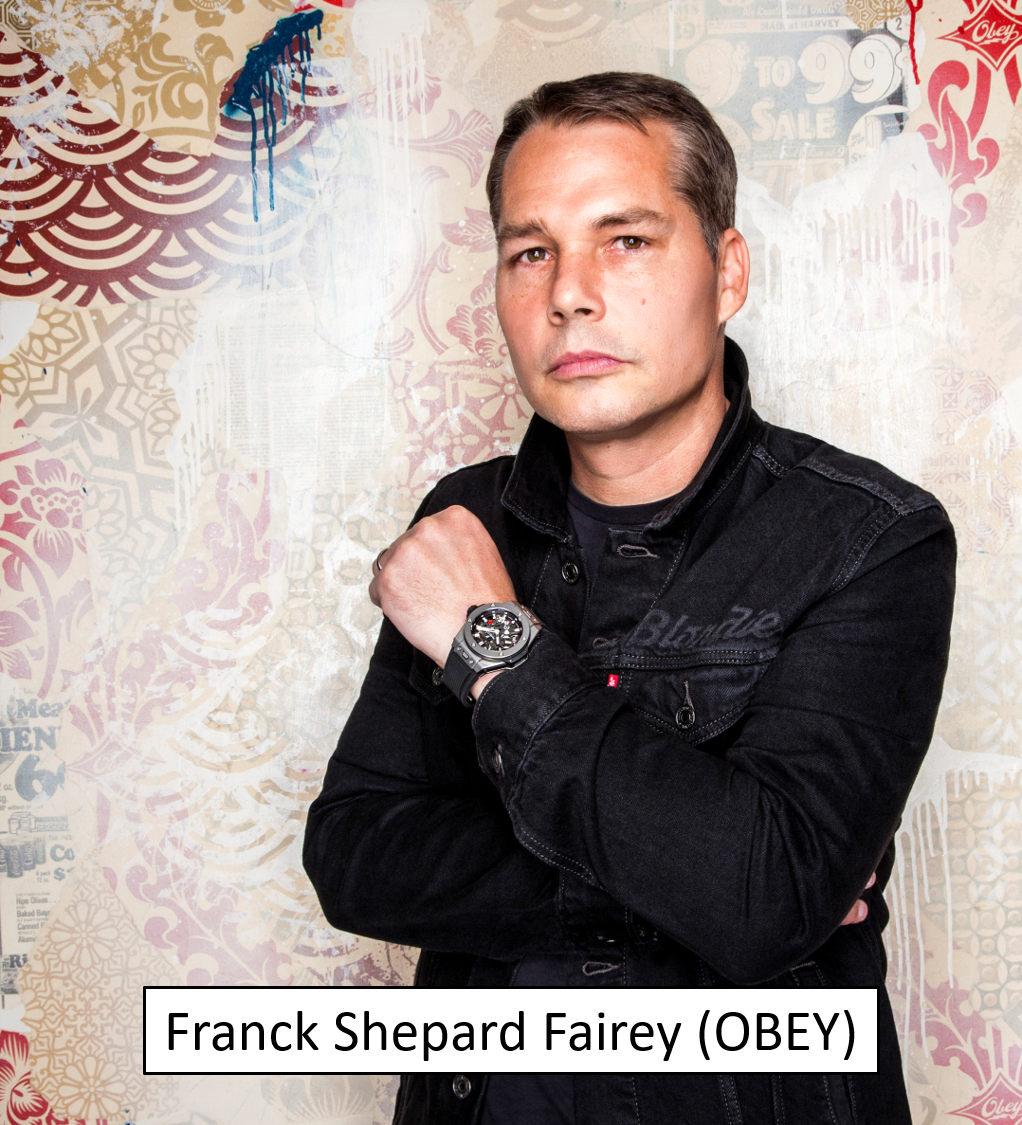
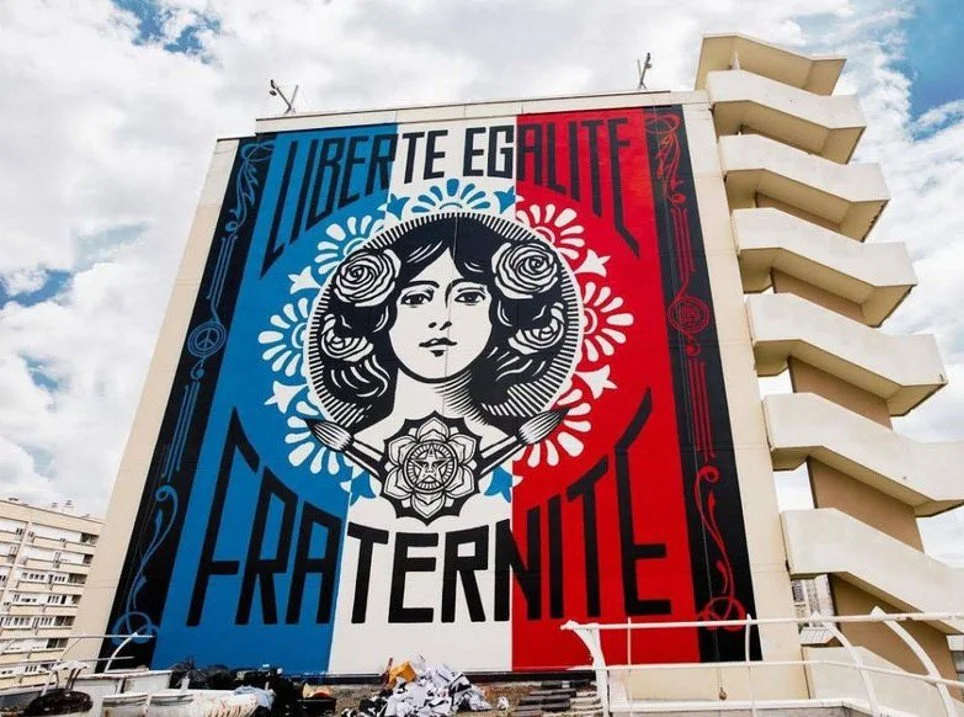
Now take a moment to look up at this striking mural. It’s called “The Future is Unwritten”, painted by Shepard Fairey, better known under his artist name Obey.
You may know him as the creator of the famous “HOPE” poster for Barack Obama’s 2008 presidential campaign. That iconic image became a global symbol, and ever since, Obey has continued to use street art to provoke, question, and inspire.
Here in Paris, in just 48 hours, he painted this massive mural, his third in the city, and his 100th worldwide. In shades of deep blue, it bears two powerful messages:
“The future is unwritten”
and
“Knowledge and action create power.”Through this piece, Obey reminds us that apathy and ignorance are dangerous, they weaken civic spirit. It’s a call to all of us to educate ourselves, to act, and to shape the future instead of watching it happen.
And here's a fascinating fact: Shepard Fairey is no stranger to Paris. He also created the portrait of Marianne, France’s symbolic figure of liberty, which now hangs in President Emmanuel Macron’s office. It’s a tribute painted in the wake of the 2015 Bataclan attacks.

“Chuuuttt!!!” / “Shhh!” - Jef Aérosol
-
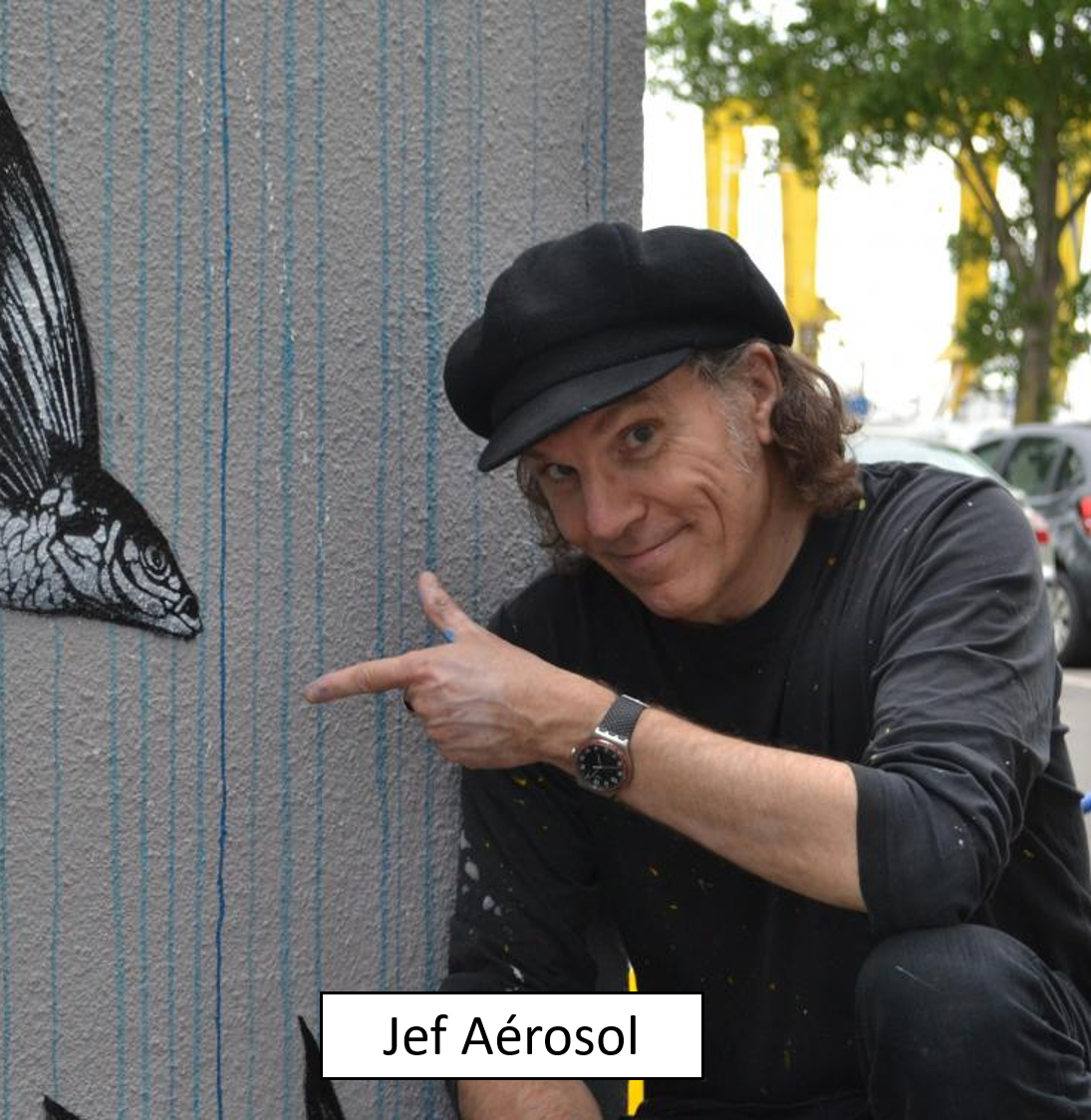
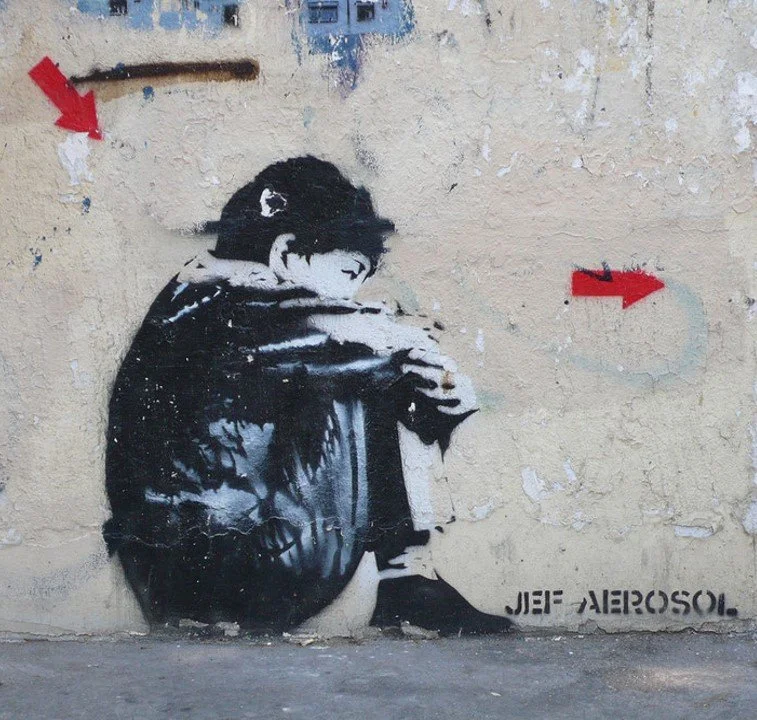
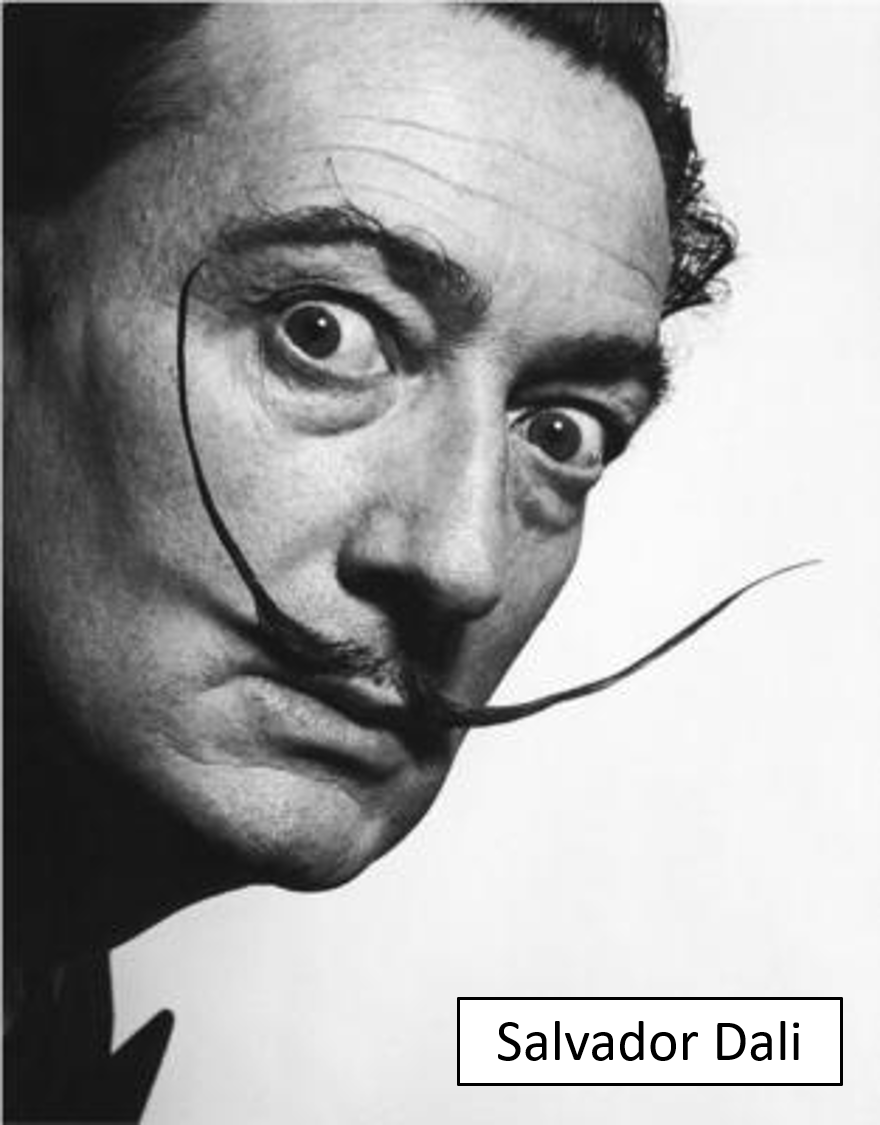
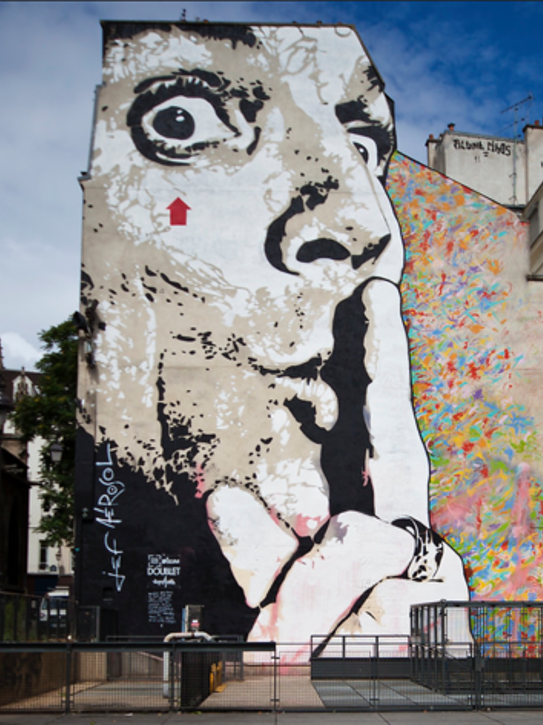
Now let’s take a moment to admire this powerful mural by French street artist Jef Aérosol. No, it’s not Salvador Dalí, despite the cheeky resemblance with the moustache and sunglasses! That’s actually Jef himself, captured in one of his most iconic pieces titled “Chuuuttt!!!”, which means “Shhh!” in French.
Originally from Nantes, Jef Aérosol is one of the pioneers of urban art in France. You’ll recognize his style by the red arrow, his unmistakable signature. His art is present all over the world, from the Great Wall of China to Ushuaia, London, New York, and of course, right here in Paris.
This enormous stencil was created in just five days, using spray paint and stencils, right here next to the Pompidou Center. It's not just a portrait, it's an invitation.
Jef Aérosol wants you to stop, to listen.
Listen to the city’s heartbeat, the urban symphony, not just the police sirens or the engines, but the laughter of children, the songs of street musicians, the melody of many languages spoken by tourists and locals alike.The message is simple but deep:
“Knowledge and action are power.”
So be open, be curious, observe the world around you. Speak less, listen more, and don’t close yourself off in the comfort of your daily routine.
The Stravinsky Fountain
-
Now, here we are right next to the Pompidou Center, in front of one of the most playful and surreal spots in Paris: the Stravinsky Fountain.
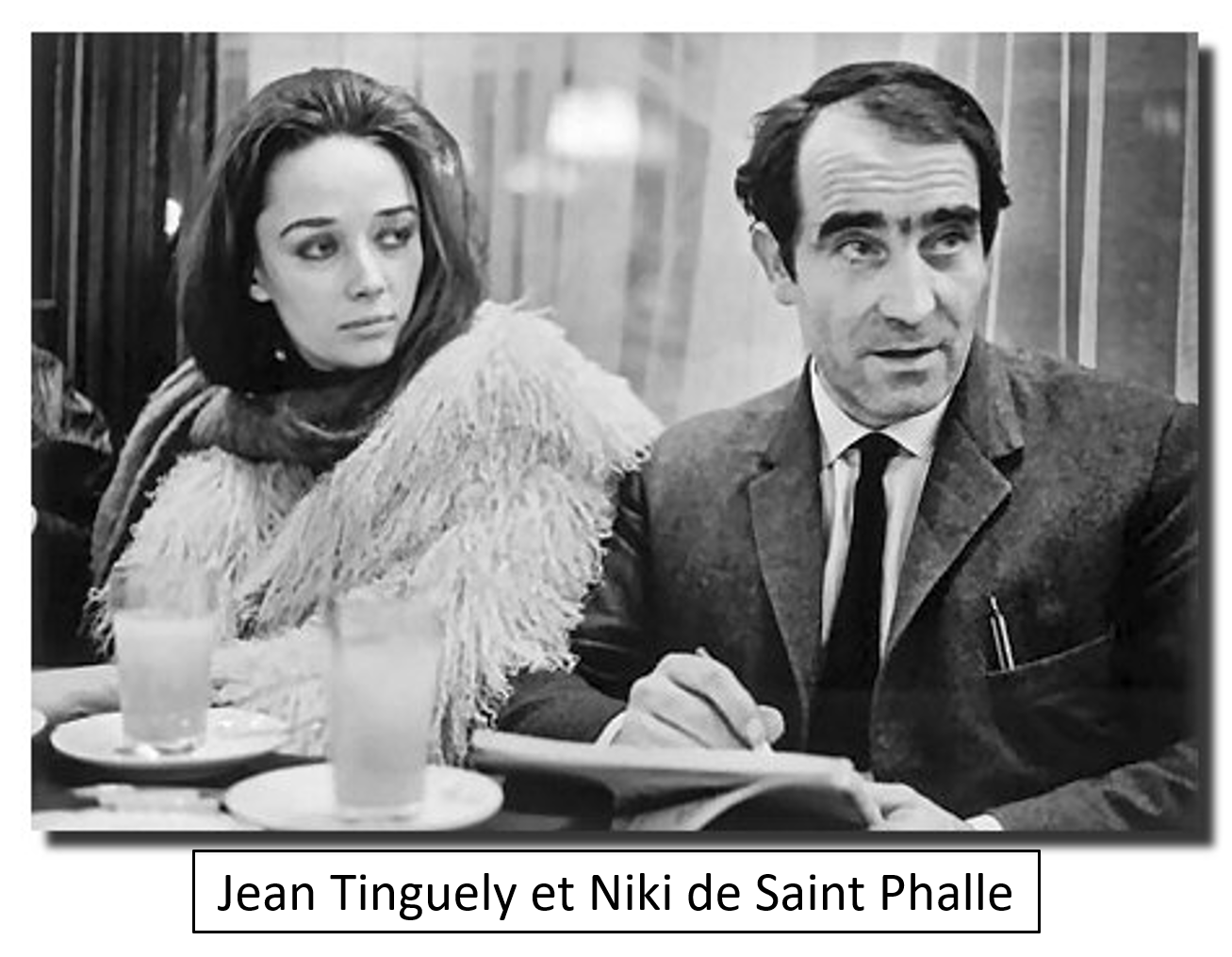
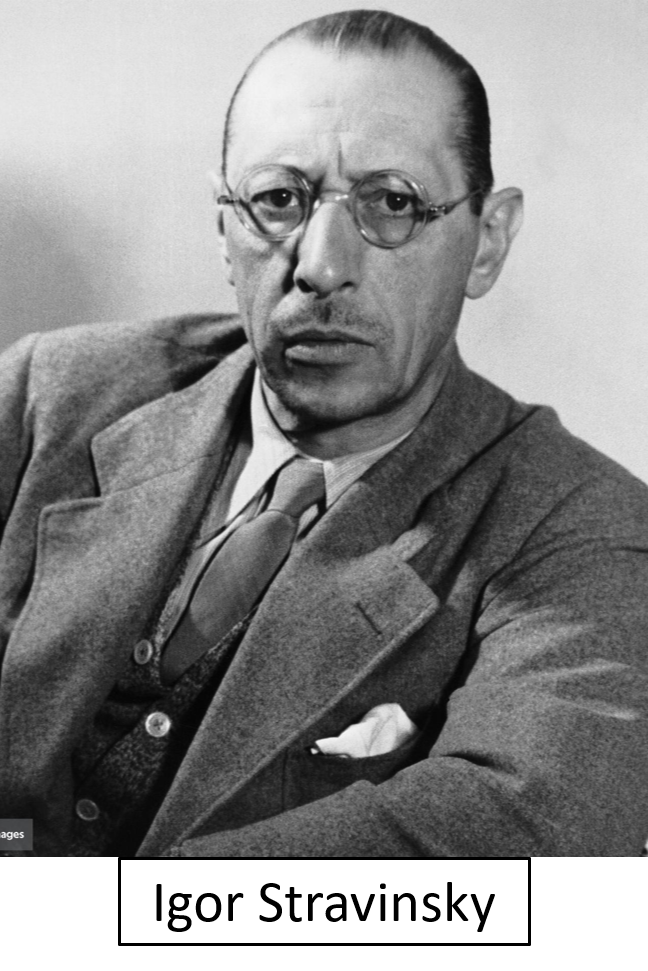
This joyful fountain was created in 1983 by two iconic artists: Jean Tinguely, known for his mechanical sculptures, and Niki de Saint Phalle, with her instantly recognizable, colorful and whimsical figures. Together, they gave life to 16 kinetic sculptures, dancing and spitting water in tribute to the famous Russian composer Igor Stravinsky.
Each moving sculpture is inspired by different pieces of Stravinsky's work and you can really feel the rhythm, the dynamism, almost like a musical score brought to life through color and movement!
Just underneath your feet, beneath this square, lies the IRCAM, the Institute for Research and Coordination in Acoustics and Music. It’s no coincidence! This fountain is not just visual, it’s acoustic, kinetic, and completely alive. It’s art in motion, just like Stravinsky’s music.
So take a moment, soak it in and maybe let your inner child smile a little.
The Pompidou Center
-
Now… prepare yourselves! We’re standing in front of one of the most radically different buildings in all of Paris: the Centre Pompidou.
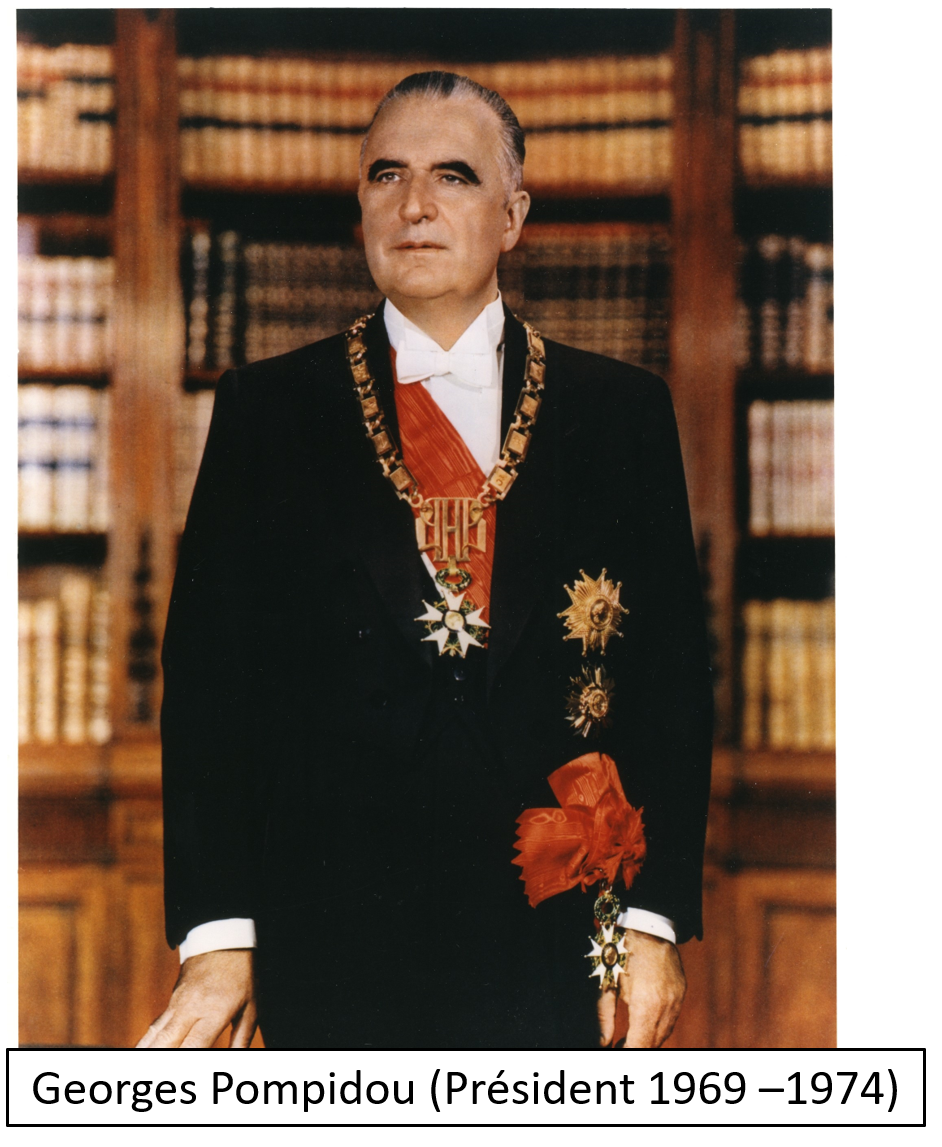
Back in the 1960s, President Georges Pompidou had a vision: to build a space dedicated to modern and contemporary art that would show the world France was not only a guardian of heritage, but also a leader in innovation.
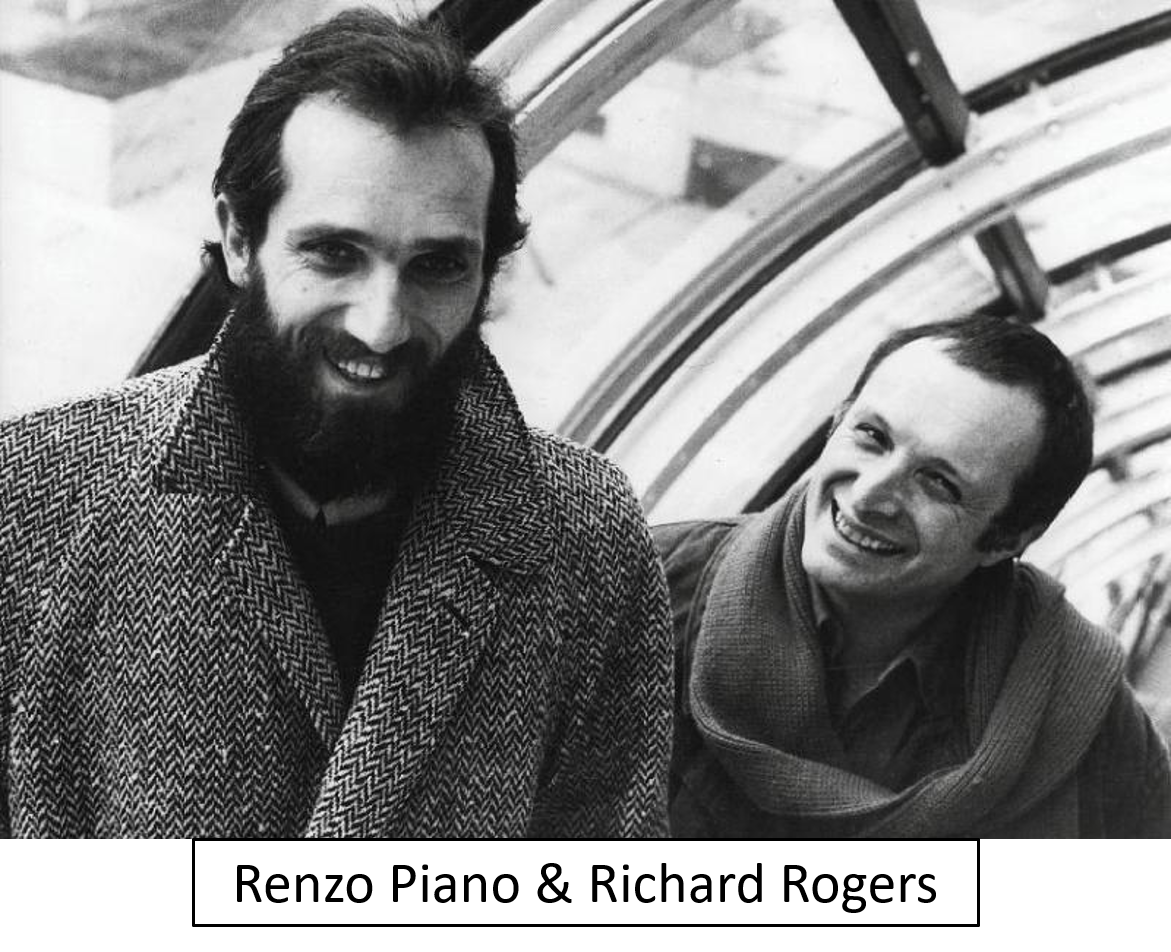
An international architecture competition was launched, 681 designs were submitted. The winning team? Two young, unknown architects: Renzo Piano and Richard Rogers. Their proposal? A building that looked completely inside-out! With pipes, tubes, vents, and even the escalators placed on the outside of the building.
And those tubes? They aren’t just colorful decoration! Each color has a purpose:
🔵 Blue = air conditioning
🟢 Green = water
🟡 Yellow = electricity
⚪ White = ventilation
🔴 Red = elevators and circulation areas
At the time, Parisians were shocked. But over the years, the Centre Pompidou has become an icon of the city, a temple of bold architecture, modern design, and cutting-edge art.
Inside, you’ll find one of the best contemporary art collections in the world. And if you go all the way to the rooftop, you’ll get one of the most breathtaking panoramic views of Paris.
Les Halles
-
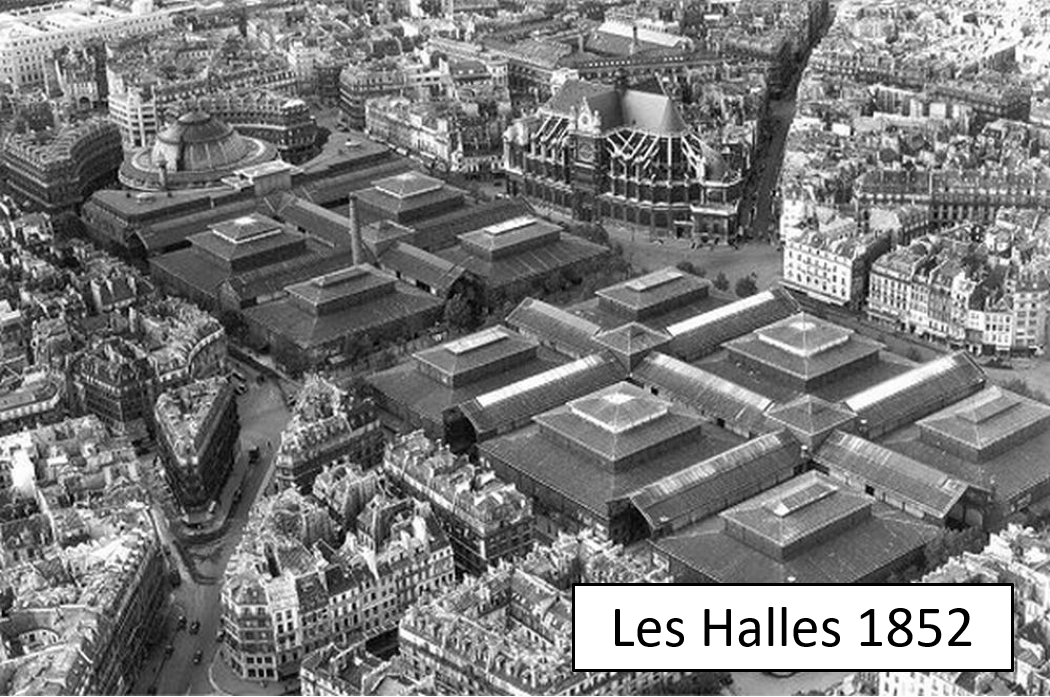
Welcome to Les Halles, the beating heart of Paris… for nearly 900 years!
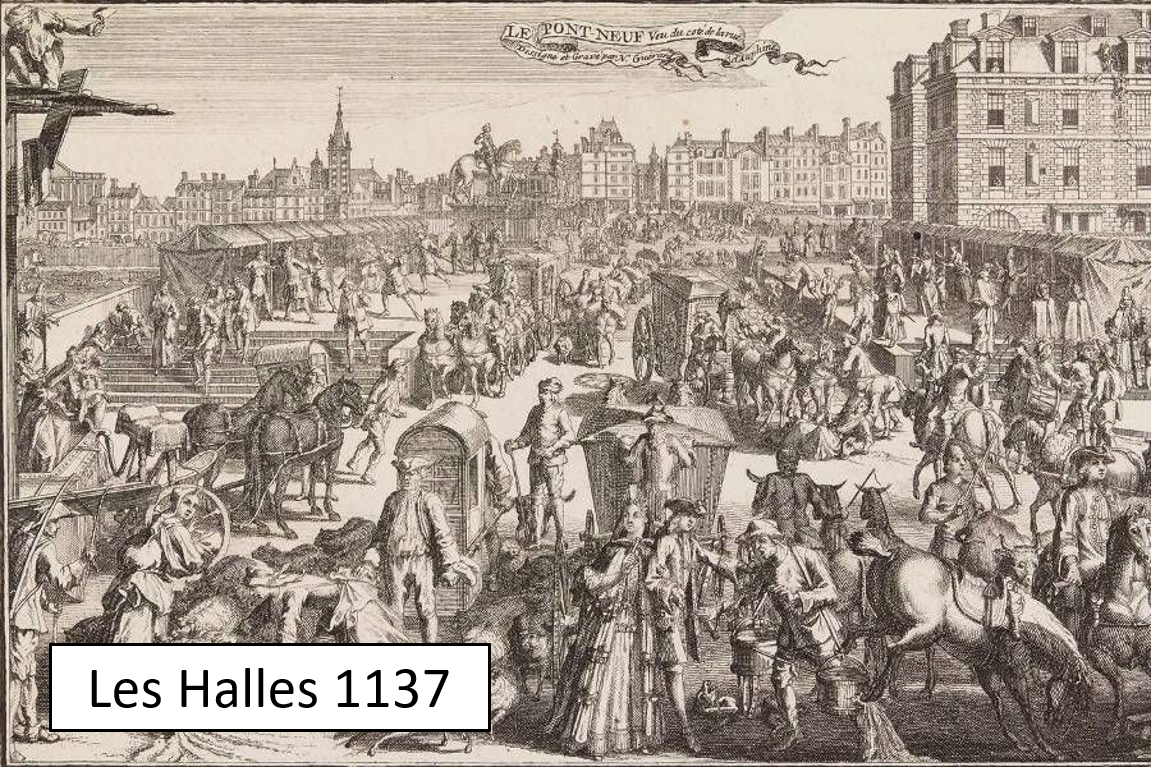
It all began in 1137, when King Louis VI decided to set up a marketplace right here, on what were once just old marshes. A few decades later, in 1183, King Philippe Auguste added the first covered wooden halls and that’s when things really took off.
By the Middle Ages, Les Halles wasn’t just a marketplace, it was a theatrical spectacle. There was even a pillory here! Crooked merchants, blasphemers, and other wrongdoers were locked up and exposed to the crowd for two hours a day. And believe me, Parisians didn’t hold back. They’d pelt the condemned with anything they had on hand: rotten food, garbage… even worse! And yes, the executioner lived right there, on-site.
Fast-forward to the 19th century, under Napoleon III. Architect Victor Baltard was commissioned to modernize the area. The result? Ten massive iron-and-glass pavilions, each with a specific purpose, meat, fish, fruits, vegetables… You name it, they had it. These structures were considered a revolution in architecture, light-filled, airy, and functional.
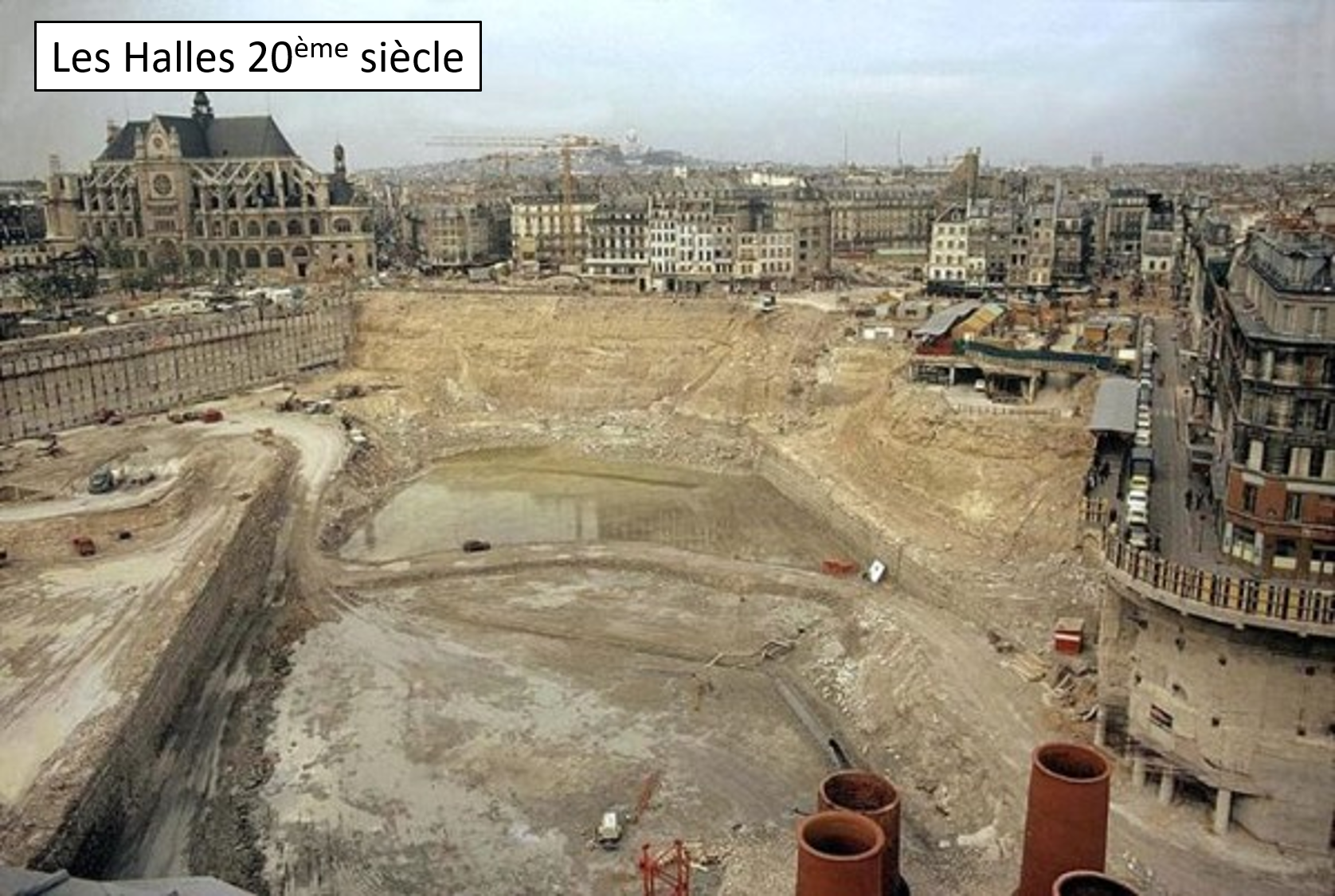
But as Paris grew, Les Halles became overwhelmed. In 1969, after more than 800 years of feeding the city, the market moved out, to Rungis and La Villette. What followed was a gigantic, controversial transformation that Parisians dubbed “the big hole of Les Halles”.
Today, standing in its place is La Canopée, a modern structure with 18,000 glass scales, unveiled in 2016. It may look futuristic, but trust me, beneath your feet lies centuries of Parisian history.
The Kiosk of the Night Owls
-
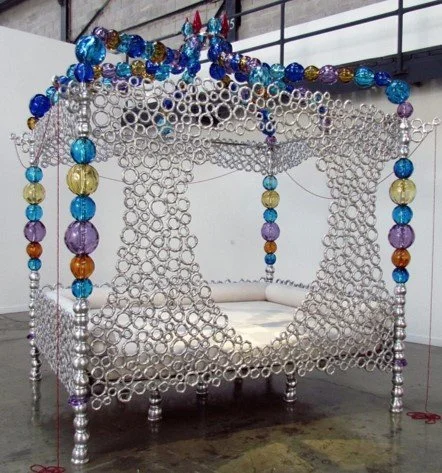
And now, take a look above you, yes, that glowing, shimmering structure made of glass beads and aluminum. That’s Le Kiosque des Noctambules, or, in English, “The Kiosk of the Night Owls.”
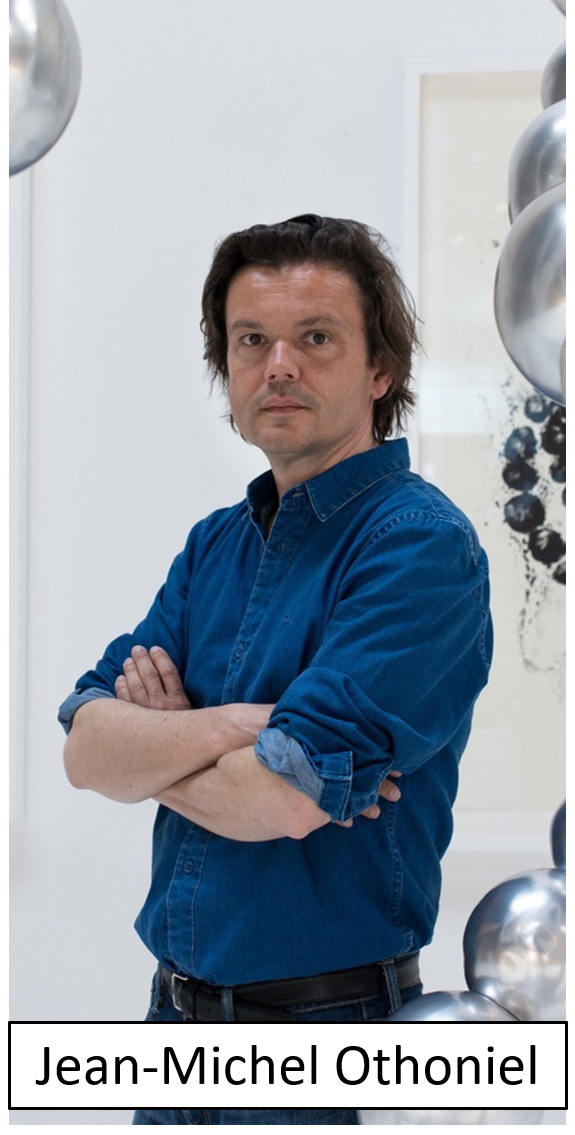
This isn’t your typical metro entrance. It was created in 2000 by French contemporary artist Jean-Michel Othoniel, to mark the 100th anniversary of the Paris Métro.
Othoniel imagined this work as a sort of jewel box for the underground, made of multicolored Murano glass beads threaded like a rosary across two domes, one symbolizing day, the other night. Together, they welcome Parisians and night owls alike into the depths of the city.
Of course, this entrance caused quite a stir when it was unveiled some loved it, others weren’t so sure. But today, it stands as a brilliant example of how Paris blends history with bold artistic expression.

Les Colonnes de Buren
-
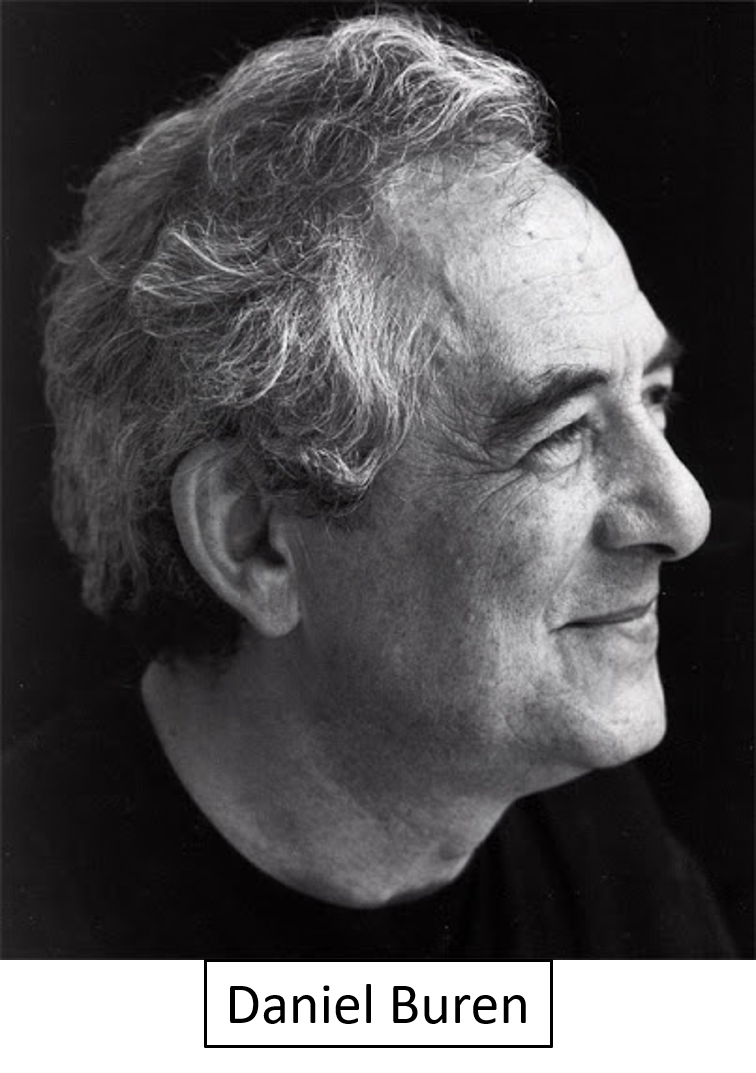
Now look down, or better yet, walk around, climb, play, explore. You're standing in the middle of one of the most controversial pieces of contemporary art in Paris: Les Deux Plateaux, better known as Les Colonnes de Buren.
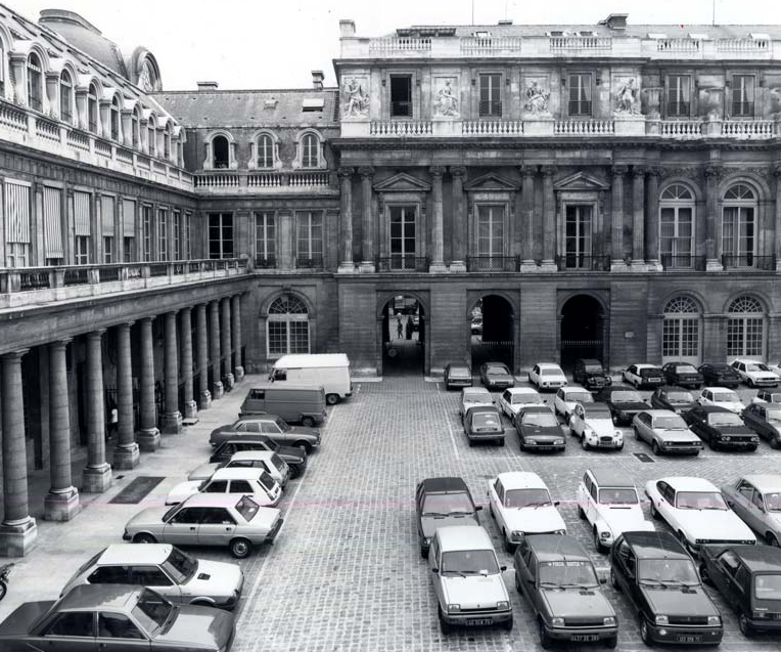
This installation by Daniel Buren was created in 1985, right here in the Cour d'Honneur of the Palais Royal. It’s made up of 260 black-and-white striped columns, emerging from the ground at different heights, like an abstract musical score.
Some people love it. Some people… really didn’t.
When it first appeared, there was public outcry. Many believed it disfigured the classical beauty of the palace. Even the mayor of Paris at the time, Jacques Chirac, tried to stop the project! But the irony? Before this piece was installed, this entire courtyard was just… a parking lot. So, say what you will, it’s definitely an upgrade.
The meaning of the piece? That’s up to you. Some say it’s about contrast, rhythm, or how modernity can grow out of tradition. Others say it's a playground. And honestly? They're all right.
Le Palais Royal
-
Ah, the Palais Royal, at first glance, it may look stately and serene… but appearances can be deceiving!
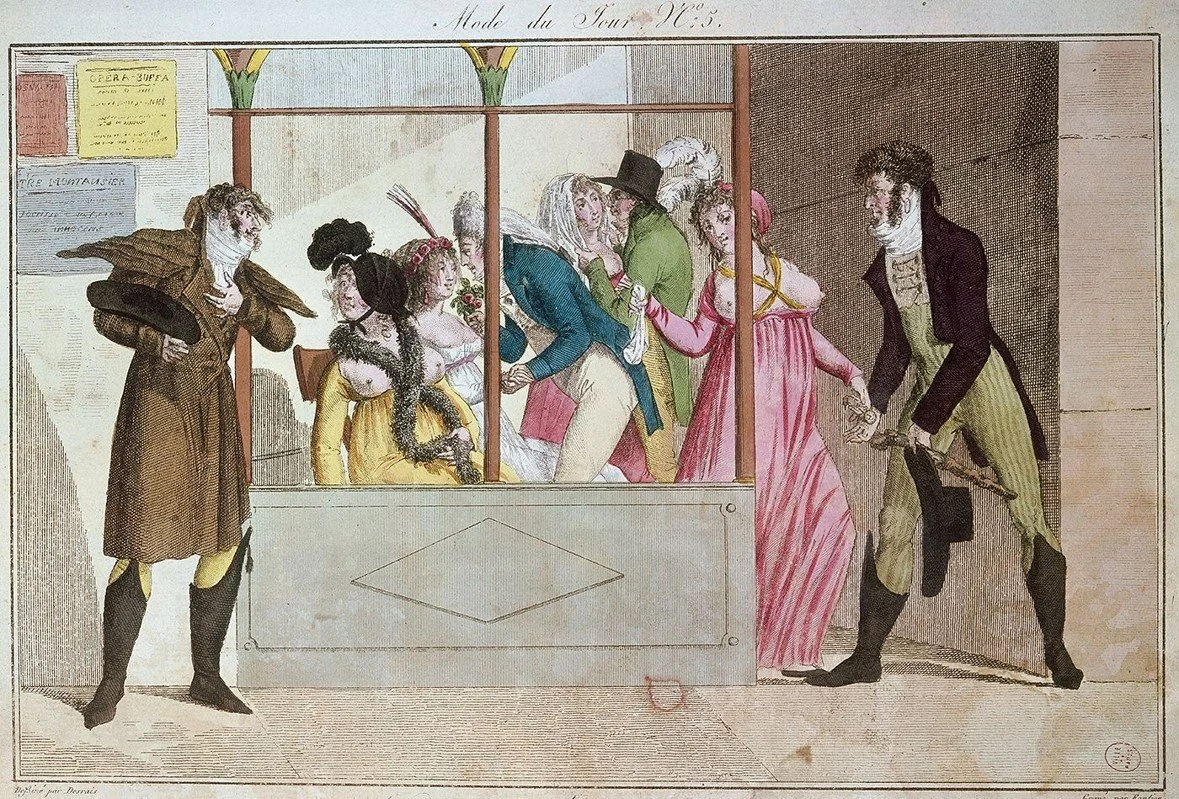
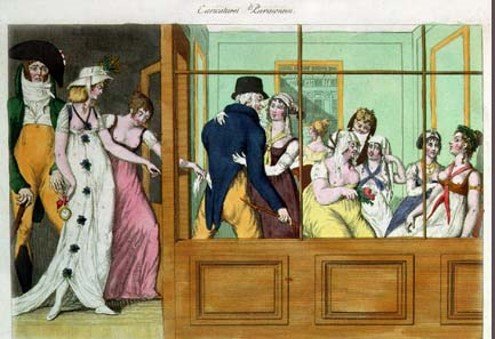
Its square architecture, tucked away from public view and right in the heart of Paris, made it the perfect little sanctuary… for scandal. You see, for a long time, the Palais Royal was the king’s residence and that meant the police had no jurisdiction here. That loophole made this garden a true Parisian playground.
By day, it was home to elegant shops, theaters, luxury boutiques and even bookstores selling forbidden material. But by night? Oh là là… it transformed into a hub of pleasure and vice. Gambling dens, secret clubs, and yes, ladies of the night strolling the garden paths, meeting gentlemen who were… shall we say… open to persuasion. Legend has it this is where a young Napoleon Bonaparte lost his virginity.
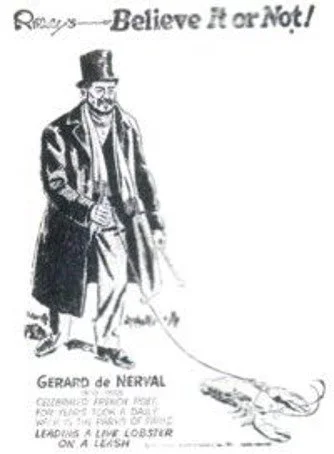
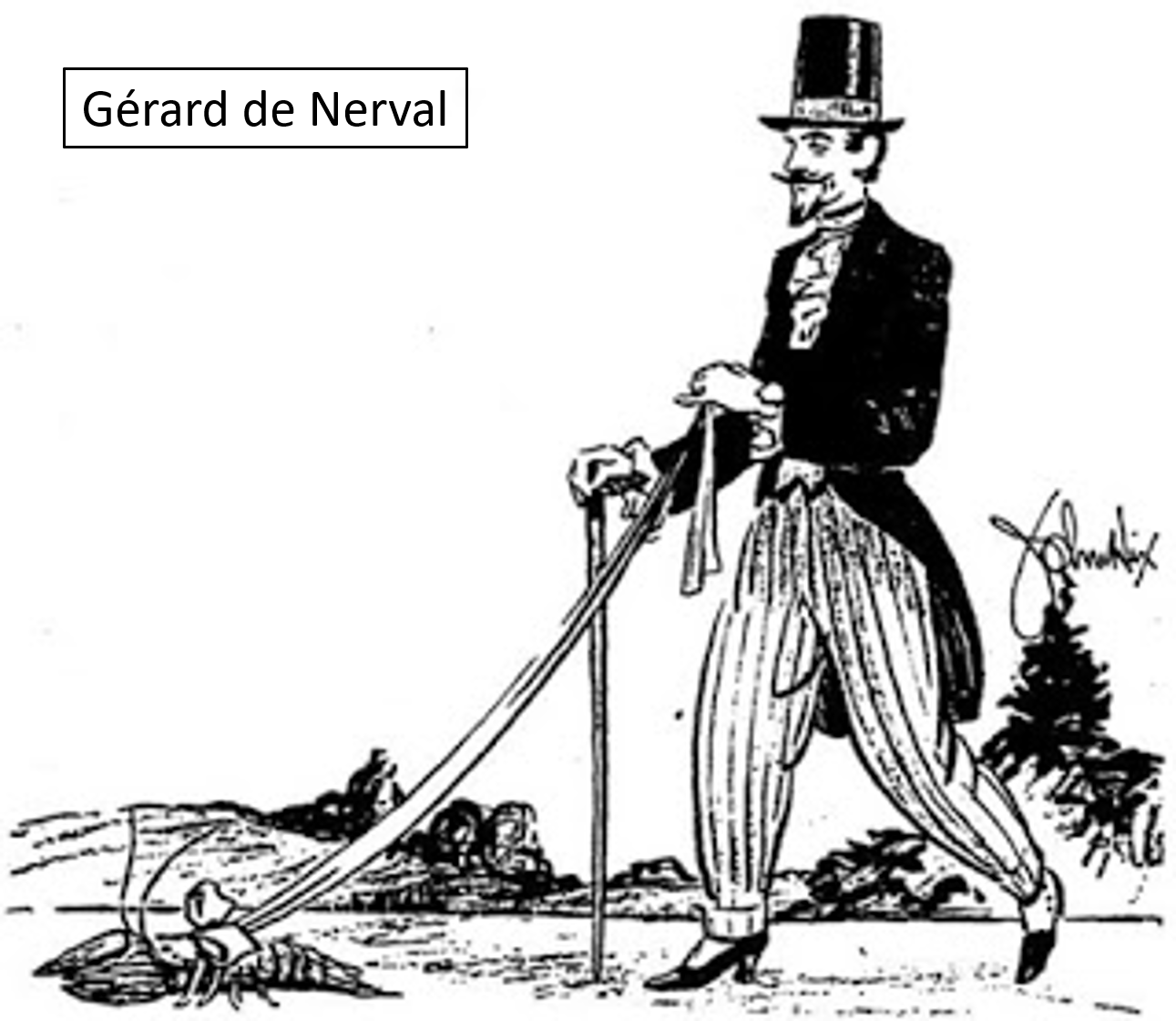
And now, a totally different story: In 1841, the eccentric poet Gérard de Nerval used to walk through these very gardens with… a live lobster on a leash. Why? He once said, “I like lobsters, they are calm, serious creatures, who know the secrets of the sea, and don’t bark.” Touché, Gérard.
And have you noticed the little bronze cannon in the garden? Installed in 1785, it was designed by a local clockmaker to help Parisians set their watches. At exactly noon, a magnifying glass would focus the sun’s rays onto a fuse, BOOM, the cannon fired. Genius! Unfortunately, the original was stolen in 1998. What you see today is a replica.
And finally, a more poetic touch. Since 2019, the garden’s alleys have been named after Colette and Jean Cocteau, two beloved French writers. Eighteen benches, designed by sculptor Michel Goulet, now display engraved quotes from them and other 20th-century authors. So take a seat and read a little soul into your stroll.