Thank you for Your Purchase !
We hope you will enjoy it !
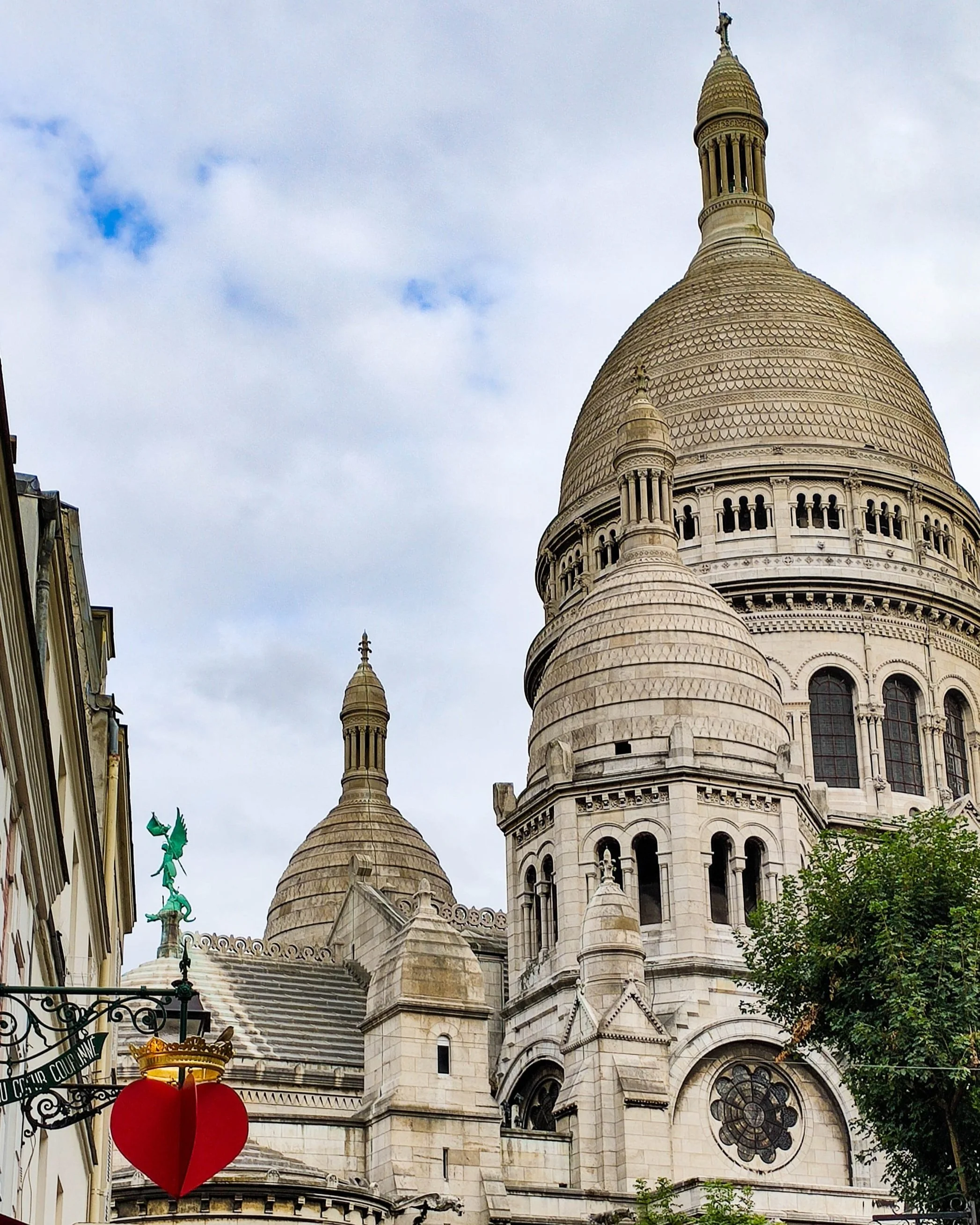
Touching the Heart of Paris
Welcome to Montmartre, the artistic soul of Paris.
This circuit takes you through the heart of one of the city's most authentic neighborhoods. With its cobblestone lanes, colorful facades, ivy-covered houses, and timeless cafés, Montmartre feels more like a village than a capital city.
From the flashing red lights of the Moulin Rouge to the serene white domes of the Sacré-Cœur, you’ll walk in the footsteps of painters, poets, dancers, and dreamers.
Let yourself be guided by the charm of this hilltop neighborhood, a place where art and everyday life blend beautifully.
Ready? Let’s dive into the timeless beauty of Paris!
Let’s begin our adventure!
Your journey starts here : at 82 Bd de Clichy, 75018 Paris, right in front of the Moulin Rouge, as shown on the map beside you.
When you're ready, we’ll take our first steps into history!
Le Moulin Rouge
-
Welcome to the legendary Moulin Rouge, the birthplace of the French Cancan and the beating heart of Belle Époque Paris!
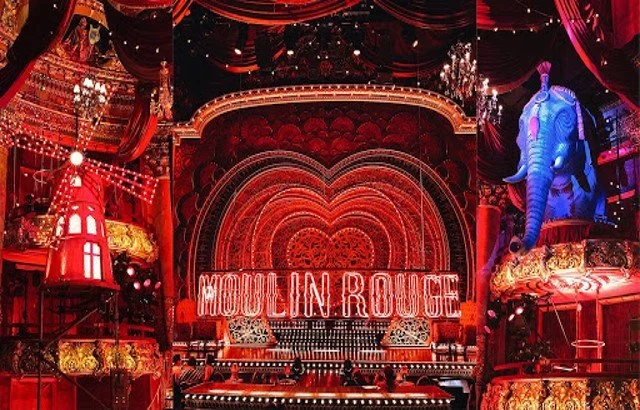
This iconic red windmill opened its doors on October 6th, 1889, in the same year as another little monument you may have heard of the Eiffel Tower. The city was booming with art, music, electricity and a thirst for fun.
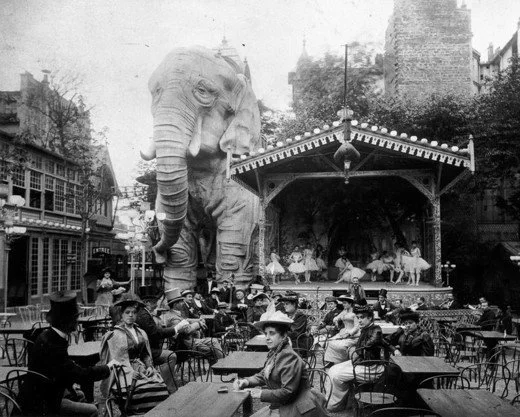
Back then, the Moulin Rouge wasn’t just a cabaret, it was a fantasy playground. Behind the main building, there was a garden with donkey rides, cozy performances, and even shows inside the legs of a giant elephant! Yes, you could enjoy a belly dance in one leg and a Cancan in the other. No kidding.
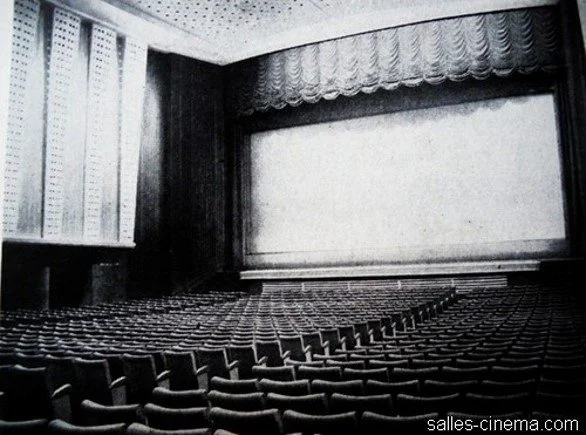
By the 1930s, it even boasted the largest cinema in Europe, one single room with over 2,000 seats!
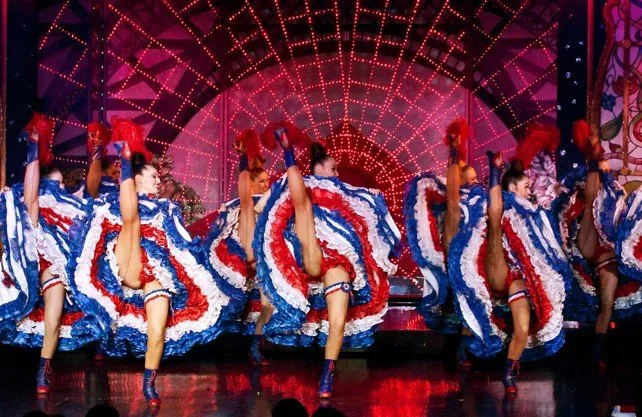
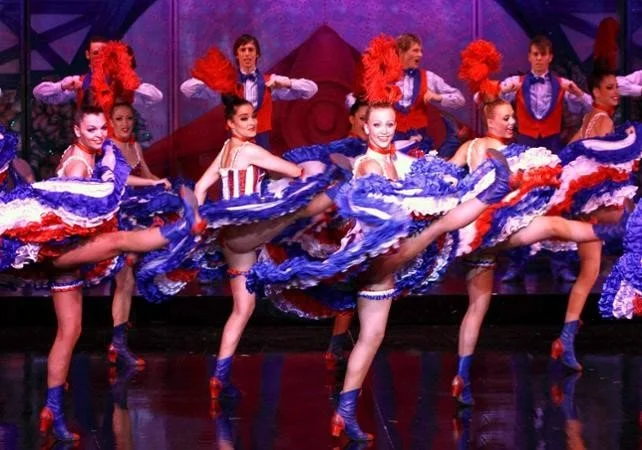
But, of course, the Moulin Rouge is best known for the French Cancan, a scandalously high-kicking, skirt-flipping dance that wowed crowds with its wild energy and bold attitude. A celebration of freedom, laughter, and rhythm.
And this cabaret doesn’t do things halfway, it holds seven world records, including one for most high kicks in 30 seconds:
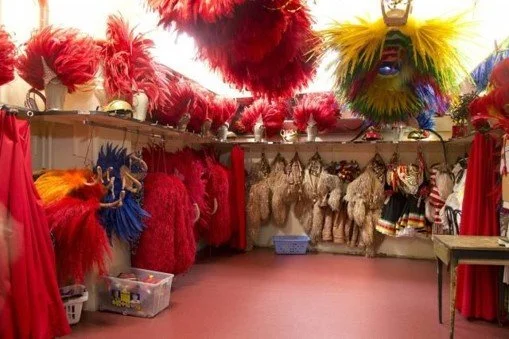
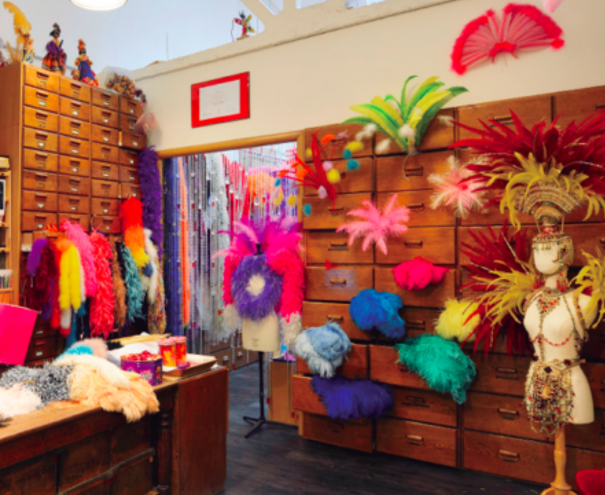
29 kicks by the Cancan dancers and 30 kicks above the head by their lead soloist!Today, the show goes on every single night. With 60 dancers from over a dozen countries, the Moulin Rouge never sleeps, and its performers only get five days off per month. Each costume, feather, and boot is custom-made, and there’s even an in-house plume workshop filled with every kind of feather you can imagine.
The red windmill on top? It’s purely decorative, and spins from 4:30 p.m. to 2 a.m.. But it was also Paris’s first electrified building, lighting up the façade and turning this once bohemian dance hall into a symbol of Parisian nightlife.
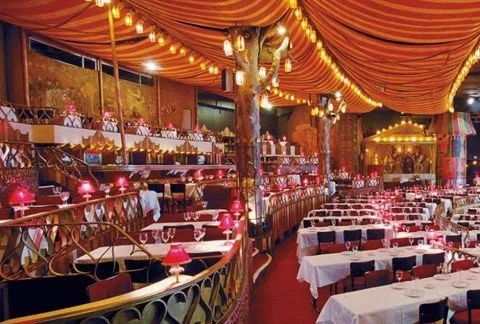
Inside, the space looks more like a circus tent than a theater. No VIP sections, no strict codes, it was a ballroom where everyone mixed, from artists and aristocrats to dancers and dreamers.
So go ahead, take it in.
It’s bold, it’s glittering, it’s outrageous…
It’s the Moulin Rouge!
Église Saint-Jean de Montmartre
-
Now here’s a surprise in the land of windmills and painters:
Welcome to Église Saint-Jean de Montmartre, one of the very few Art Nouveau churches in Paris and a bold architectural experiment for its time.Built between 1894 and 1904, this church was designed by Anatole de Baudot, who had a radical idea:
Why not build a church… in reinforced concrete?At the time, this was unheard of churches were supposed to be stone, majestic, eternal. Concrete? That was for factories, maybe bridges. But for a house of God? Scandalous!
The exterior may not look like the Notre-Dame you’re used to, it’s all brickwork and colorful ceramic tiles, with geometric patterns that feel almost modern. But that’s the point, this was the future, breaking from tradition.
Inside, the structure is mostly bare concrete, making it one of the first religious buildings in France to use this material so extensively. And yes, the project even had to face a lawsuit for "non-conformity." But most believe it was just the Church being skeptical of this new material.
In the end, de Baudot was vindicated.
The church stood strong, solid… and gorgeous in its own unique way.So take a moment to admire it because in Montmartre, even the churches dare to be different.
The Wall of the “I love you” - Le mur des Je T’aime
-
Welcome to one of the most romantic spots in Paris and no, it’s not the Eiffel Tower.
It’s Le Mur des “Je t’aime”, the I Love You Wall.Stretching across 40 square meters, made up of 511 tiles, this mural is dedicated to a single, powerful phrase:
"I love you."
Written 311 times, in over 250 languages.It was created by Frédéric Baron and Claire Kito, and inaugurated in 2000, right here in Square Jehan Rictus, just steps from Montmartre’s bustle.
But look closely, it’s not just declarations of love.
You’ll notice red lines running across the wall. Those are the fragments of a broken heart, a subtle but powerful message.
They symbolize a world divided, a society breaking apart… and the wall becomes an effort to piece it back together through love.Now, ready for a challenge?
Let’s play a little “Je t’aime” quiz!
See if you can find "I love you" in:
Japanese?
Swahili?
Morse code?
Klingon? (Yes, it's on there!)
This isn’t just a romantic photo stop, it’s a multilingual love letter to humanity.
Whether whispered, sung, or spray-painted, it all comes down to one thing:
Connection.
The District of Montmartre !
-
Montmartre & the Loups de la Butte
So, you thought Montmartre was all artists and accordion music?
Think again.
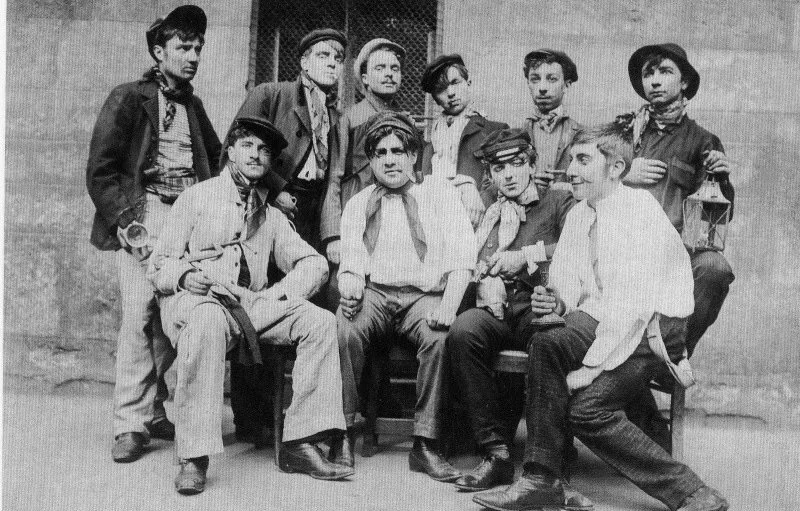
At the turn of the 20th century, walking through Montmartre after dark wasn’t just unwise, it could be dangerous. The twisting staircases and narrow alleys became shadowscapes of fear, ruled by a gang known as “Les Loups de la Butte”, the Wolves of the Hill.
Paris, circa 1900, was a city of contrast. The northern and eastern neighborhoods were hit hard by poverty. Many young men, often teenagers, were out of school, out of work, and out of options.
They formed gangs, ruthless, tight-knit, and proudly territorial. In other parts of Paris, they were known as:
Les Gars de Charonne in the 11th,
Les Monte-en-l’air des Batignolles in the 17th,
Les Marlous de Belleville in the 20th…
But here, in Montmartre?
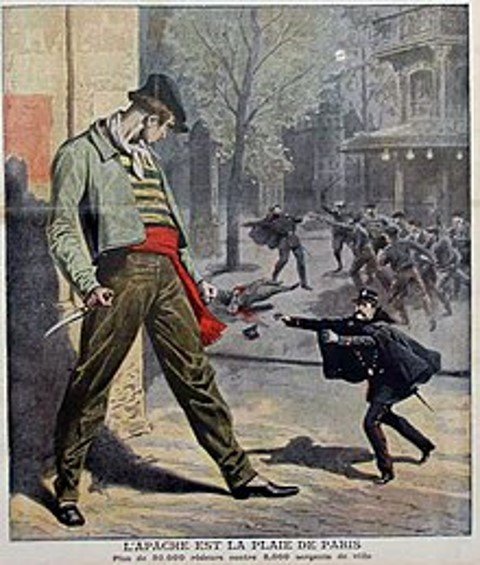
We had the Loups de la Butte.Armed with knives and revolvers, tattooed, and mostly aged between 15 and 20, they stalked the area from Place du Tertre to rue Marcadet. Their favorite targets? Wealthy passersby… and of course, the police.
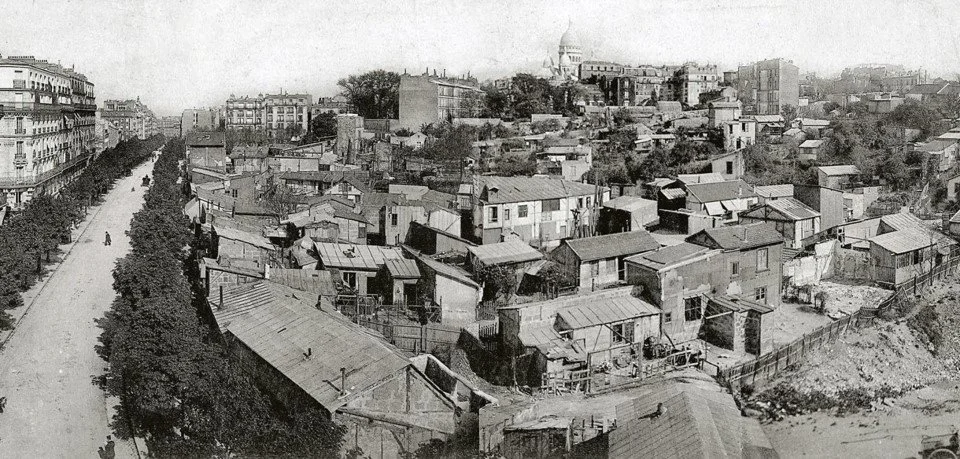
Their hideout? A slum known as Le Maquis, a chaotic maze of makeshift homes and workshops, located between today’s rue Caulaincourt and avenue Junot.
They recruited locally, and their identity was deeply rooted in neighborhood pride style, slang, swagger, and loyalty to their hill.
Their leader wasn’t chosen by age or wisdom, but by pure strength, the one who fought the hardest, and scared everyone else.At the time, the odds were stacked against the police:
30,000 Apaches in Paris, for just 8,000 officers.For over a decade, the Loups de la Butte cast a long, dangerous shadow over Montmartre… until World War I came, and most of them were drafted.
Few would return.Today, you can still walk those same streets, now filled with laughter, cafés, and art. But if you listen closely…
Maybe, just maybe, you’ll hear the faint echo of boots on cobblestones… and the growl of a Wolf.
Picasso’s First Studio in Montmartre
-
You’re now standing near a window that changed art history.
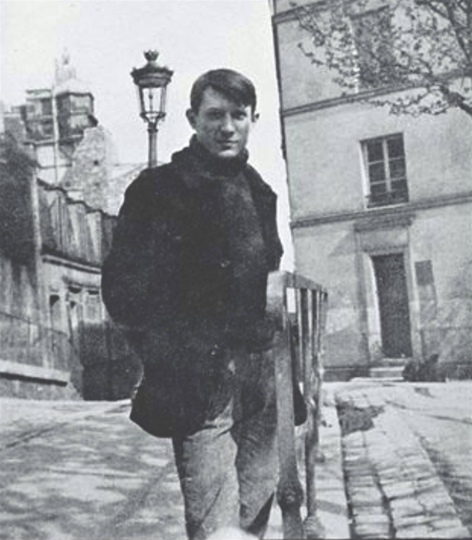
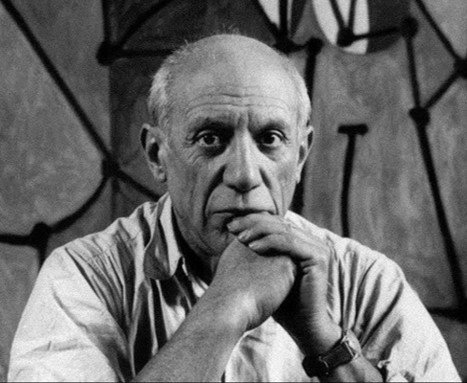
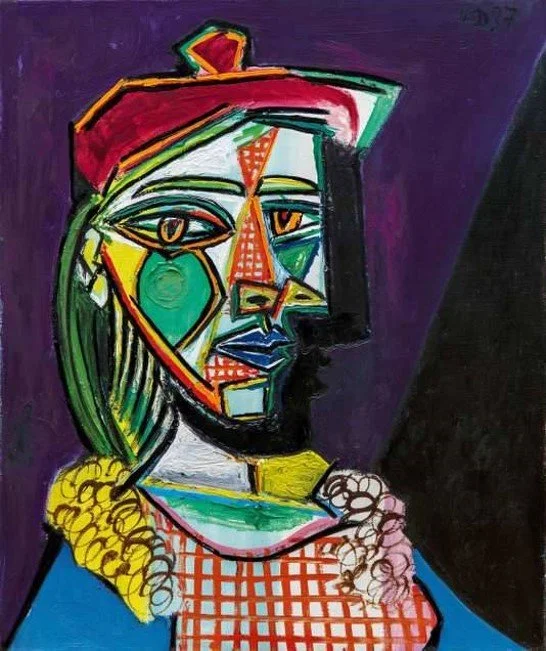
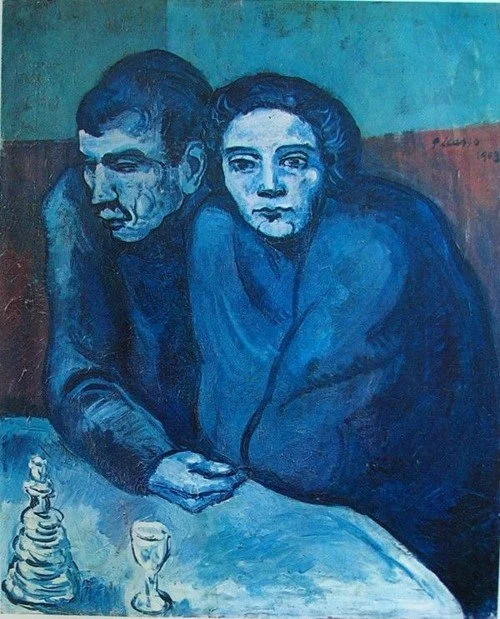
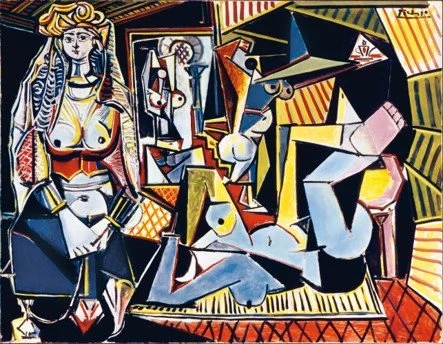
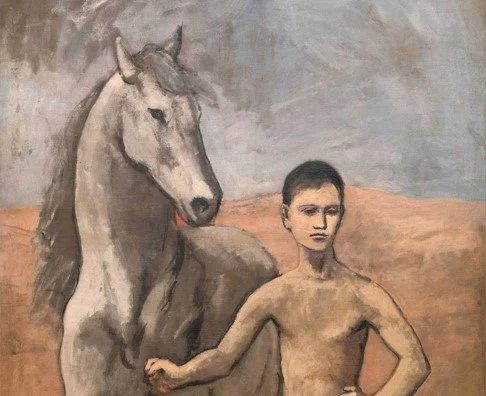
That second-floor window you see? It was the first Parisian studio of a 19-year-old Spanish painter who would soon revolutionize modern art: Pablo Picasso.
He arrived here in October 1900, during his first trip to Paris. At the time, he was already incredibly skilled, painting and drawing for over a decade, since childhood.
His full name, ready for this?
Pablo Diego José Francisco de Paula Juan Nepomuceno María de los Remedios Cipriano de la Santísima Trinidad Mártir Patricio Clito Ruíz y Picasso.
That’s 16 names. But here in Montmartre, people just called him “Picasso.”Fun fact? His first spoken word as a baby was “piz”, short for "lápiz", meaning pencil in Spanish. He was born for it.
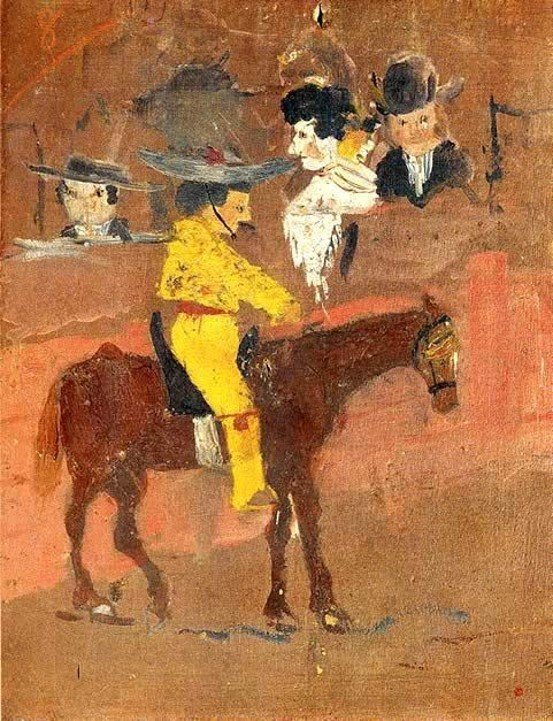
His first painting, at just 7 years old, was called Le Petit Picador Jaune , a scene from a bullfight. He never sold it, never gave it away. It stayed with him his whole life.
But in Montmartre, times were hard.
Sometimes, he had to burn his own paintings just to keep warm.
Other times, he’d pay for meals with sketches and when the restaurant owners asked him to sign them, he’d reply:
“I’m paying for dinner, not buying the whole restaurant!”He lived here while showing at the Exposition Universelle, surrounded by fellow Spanish artists already settled on the Butte.
Years later, he’d move to the Bateau-Lavoir, where Cubism would be born.But it all began right here, behind that little window…
In a cold studio, filled with ambition, pencil dust and maybe a bit of charcoal from yesterday’s masterpiece on the fire.
“The Man Who Walked Through Walls.”
-
Welcome to one of Montmartre’s most delightful surprises:
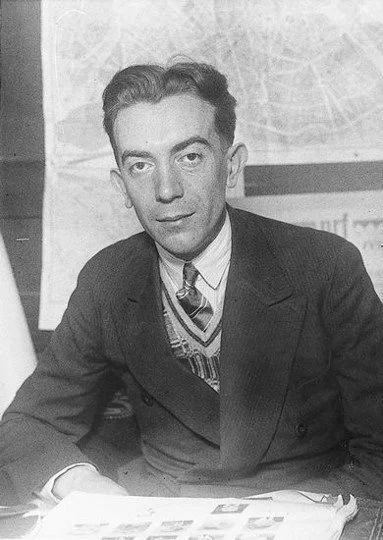
Le Passe-Muraille, or “The Man Who Walked Through Walls.”This whimsical sculpture was created in 1989 by none other than Jean Marais, the legendary French actor who starred in La Belle et la Bête (1946) and who also happened to be a talented sculptor.
But this isn’t just an odd man stuck in a wall, it’s a tribute to the writer Marcel Aymé, who lived just nearby.
In 1943, Aymé published a short story called Le Passe-Muraille, a fantastical tale about a modest office clerk, living in Montmartre, who suddenly discovers he has the power to walk through walls.
Naturally, he uses his new skill for a little romantic mischief, a bit of burglary, and a lot of freedom. But eventually, as in all great fables, there’s a twist:
One day, his power disappears mid-wall…
And he becomes trapped forever inside the very stone he once passed through so easily.And here he is frozen in the wall, right where the story says it happened.
People love posing with him, giving him a high-five, pulling his fingers, or patting him on the shoulder.
He’s become a bit of a local friend, stuck forever between fiction and reality.
The Witch’s Rock.
-
Welcome to one of Montmartre’s most mysterious corners,
a place where legends and beats quietly echo through the stones:
Le Rocher de la Sorcière, or The Witch’s Rock.In front of you stands a massive stone, facing an old wrought iron gate that guards a large, hidden house and many whispered stories.
According to local legend, this was once the home of a lonely, slightly mad old woman. The street was originally named “Passage de la Sourcière”, after a spring or fountain that once flowed nearby.
But the neighborhood kids, never ones to pass up a creepy story, changed just one letter…
and suddenly, “la Sourcière” became “la Sorcière”, the Witch.And just like that, the Rocher de la Sorcière was born, said to be a magical tool, a cursed object, even a spot for strange happenings on moonlit nights.
Generations of Montmartre locals grew up swapping stories about it.But here’s a twist: in the 1990s, just down this passage, either here, or rue Durantin, depending on who you ask, two masked musicians began making music in a tiny home studio.
They were part of a wave called the French Touch.You might’ve heard of them.
Daft Punk.So yes, Witch Rock meets Electro Pop.
In Montmartre, anything is possible.And if you’re wondering whether one of them still lives here…
Well… that’s a secret the hill keeps to itself.
Villa Léandre
-
Welcome to Villa Léandre, one of the most surprisingly British-looking streets in Paris!
With its ivy-covered façades, polished doors, and manicured gardens, this little lane looks like it was plucked straight out of Notting Hill and dropped right here on the Butte Montmartre.
But don’t be fooled by the charm, this neighborhood wasn’t always so pristine.
Just over a century ago, this part of Montmartre was known as the Maquis, a rough, makeshift settlement filled with shacks and cabins built from scrap materials.
It was home to the poorest families in Paris, ragpickers, and a few daring bohemian artists who lived side by side in a kind of chaotic, creative village.Despite the poverty, life in the maquis had its own sense of community. There were gardens, songs, kids playing in the dirt and stories shared over tin-can fires.
Eventually, as Montmartre became more fashionable, the Maquis was cleared, and in its place came streets like this one, quaint, quiet, and unmistakably upper-class.
Villa Léandre, with its Anglo-Saxon style, is now a favorite for photographers, film scouts, and anyone looking for a moment of calm in the heart of the hill.
Château du Brouillard
-
Now here’s a name that immediately sets a mood:
Le Château du Brouillard, the Castle of Mist.Its name comes from the fog and steam that once rose from the natural springs flowing through this part of Montmartre. Locals say that the entire area was once wrapped in a soft veil of mist, especially in the mornings, a perfect setting for stories and secrets.
Back in 1772, long before Montmartre became part of Paris, a lawyer named Jean Legrand-Ducamp bought a 7,000 square meter plot right here. The land held only the ruins of a farmhouse and an old windmill.
What did he do?
He razed the windmill and built what was then called a "folie", not madness, but a type of pleasure house or country retreat, popular among Parisian elites in the 17th to 19th centuries.These maisons de plaisance were designed for leisure, reflection, and a little escape from the city, often surrounded by gardens, fountains, and yes, a bit of mystery.
So if this place feels like it belongs to another time… it’s because it does.
Dalida’s Statue

-
Here we are in one of Montmartre’s most beloved and emotional spots: Place Dalida, named in honor of the legendary singer who once lived just a few steps from here.
Born on January 17, 1933, in Cairo, Dalida rose to become one of the most successful and beloved performers in French music history, selling over 120 million albums worldwide.
Her voice carried through decades, adapting gracefully to each musical wave. She was even one of the first French artists to embrace disco, with her album “Coup de chapeau au passé.”
But behind the glamorous façade lay a life marked by deep personal sorrow. Despite her immense success, more than 700 songs in multiple languages, Dalida struggled with loneliness and heartbreak. In the spring of 1987, she took her own life in her home here in Montmartre.
This bronze statue, installed in 1997, is not just a tribute to her fame, it's a tribute to her humanity. The pedestal is often polished from people gently placing their hands over her heart, as if to offer a silent thank you, or share a bit of warmth.
Dalida remains an icon in France, not just for her music, but for her vulnerability, her strength, and the connection she had with her audience.
And in Montmartre, she is still very much at home.
Montmartre Urban Trail & the Stair Championships
-
Now, Montmartre may be known for its painters, poets, and musicians,
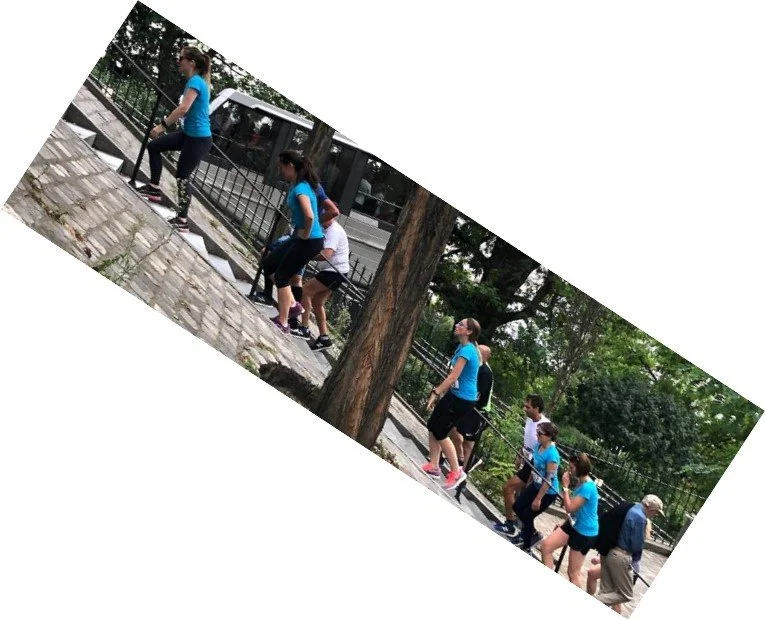
But don’t forget the athletes!Each September, the neighborhood hosts the Urban Trail de la Butte Montmartre, a sporting event with a twist:
5 kilometers through the twisting, turning streets of the Butte… and at least 800 stairs to conquer.
Yes, that’s right, 800 stairs. Your legs are shaking just thinking about it, aren’t they?But this isn’t just for glory, it’s also for a good cause, supporting the Fondation du Souffle, which funds research for respiratory health. A perfect fit for a race that will leave you… well, breathless.
But did you know that this kind of madness has been going on here for over a century?
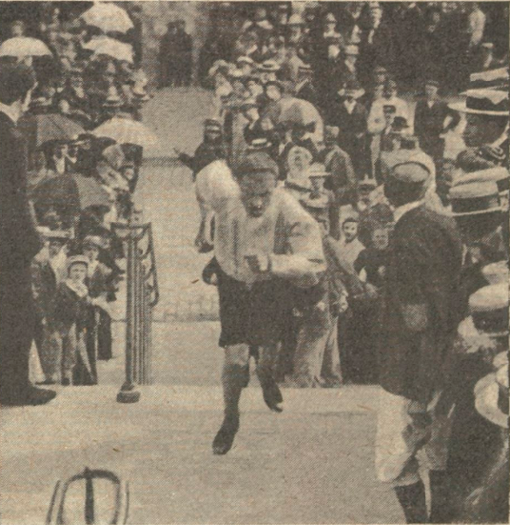
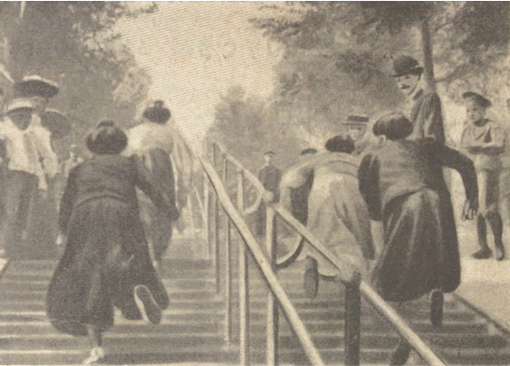
Back in 1903, Montmartre hosted the legendary "Championnat de l’Escalier".
That’s right: the Staircase Championship.The rules were simple:
Run up the stairs. Be the fastest. Repeat.The event was open to everyone, women, men, young folks, seasoned athletes, even curious amateurs, all cheered on by huge crowds lining the stairways.
There were 48 qualifying heats throughout the morning, with the winner of each climbing round moving on to the next and by the end of the day, 7 grand finals crowned the champions.
It was fun, chaotic, exhausting… and oh-so-Montmartre.
So next time you’re out of breath climbing a staircase here, just remember, you’re walking in the footsteps of champions.
Clos Montmartre (La vigne de Montmartre)

-
Yes, you're looking at an actual vineyard in Paris!
Welcome to the Clos Montmartre, one of the most unexpected and beloved, corners of the Butte.Wine has been made on this hill since Gallo-Roman times, and according to some historians, Montmartre may well have been home to the very first vineyard in the Île-de-France region.
But it hasn’t always been rosé and red...
The French Revolution in 1789 marked the start of a long decline. Soldiers began to occupy the hill for its strategic location, gypsum quarries ate up more and more land, and competition from Loire, Alsace, Burgundy, and Bordeaux pushed local wine out of fashion.
Then came real estate speculation… and little by little, the vines disappeared.
But Montmartre has never been a place to surrender quietly.
In 1933, the vineyard was replanted as an act of defiance, a tribute to local tradition, community pride, and good wine.Today, the Clos Montmartre covers 1,600 square meters, with over 1,700 vines from top French wine regions.
The grapes are harvested every autumn during the Fête des Vendanges, now the third most popular event in all of Paris!And yes, the wine is real.
Each year, it’s turned into two small cuvées, red and rosé, aged beneath the local town hall. The bottles are sold to benefit social programs in the 18th arrondissement.You can buy them at the Musée de Montmartre, the Maison des Épicuriens, or online via the Comité des Fêtes de Montmartre.
It might not be a Bordeaux Grand Cru, but it’s got something even better:
a story in every sip.
Au Lapin Agile
-
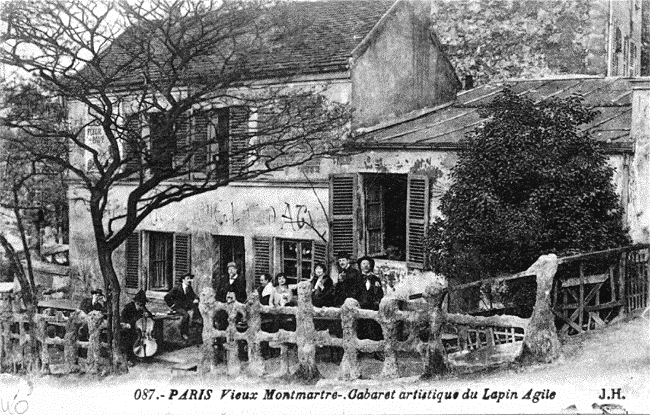
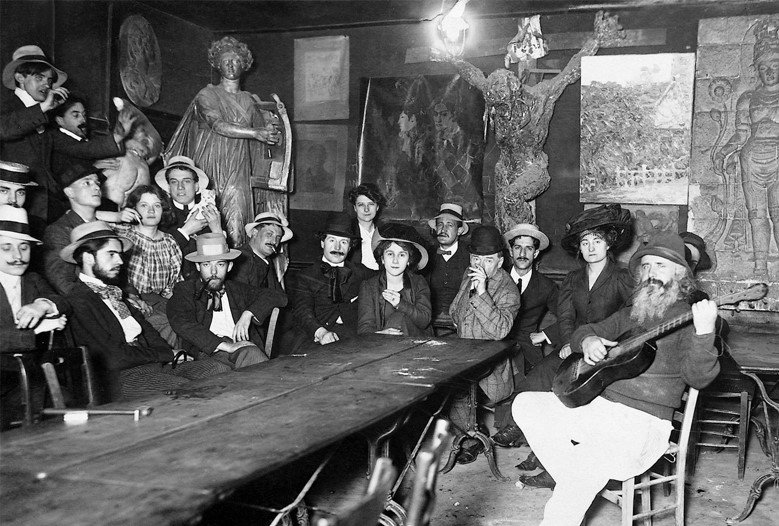
Welcome to Au Lapin Agile, one of the oldest and most legendary cabarets in Paris and certainly the most Montmartre of them all.
Tucked away at the corner of rue des Saules and rue Saint-Vincent, this unassuming little house with its pink walls and green shutters has been hosting poets, painters, singers, and rebels since 1860.
But its beginnings were... let’s say, less poetic.
Originally, it was known as the Rendez-Vous des Voleurs, “The Thieves’ Meeting Place.”
Later, it became the Cabaret des Assassins, named after a disturbing mural inside that depicted the crimes of Troppmann, a notorious murderer of the 19th century.
So… yes, colorful past.Eventually, it got a new name and a new vibe.
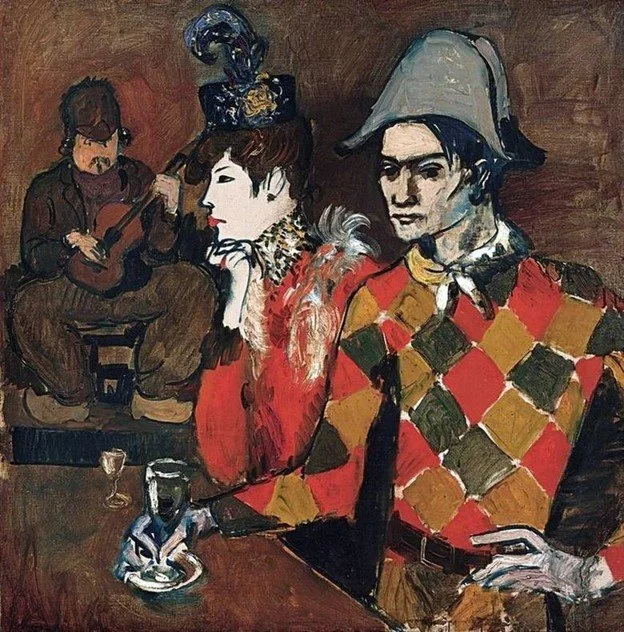
A sign by cartoonist André Gill showed a rabbit jumping out of a saucepan, and the place became known as Le Lapin à Gill, which, said quickly, became Lapin Agile, or The Nimble Rabbit.Inside, you'll find portraits and paintings of nearly every major artist who passed through Montmartre, including Picasso, who even featured the cabaret in one of his works, “L’Arlequin.”
And speaking of legends…
Yes, Édith Piaf herself sang here in her early years, long before she became “La Môme” of France.To this day, the Lapin Agile continues its tradition: no microphones, no flashing lights, just voices, music, laughter, and wine.
It’s a living relic of the old Montmartre, still agile, still alive.

Cimetière de Saint-Vincent

-
Tucked away just behind the bustle of Montmartre lies one of the quietest and most secret corners of the hill:
The Cimetière de Saint-Vincent.This is the smallest and oldest cemetery in Paris, created in 1688, and home to just 85 tombs, each one filled with stories, some well-known, others long forgotten. The site is now officially listed as a Monument Historique.
It feels peaceful, even poetic. And it should, several artists, musicians, and poets who once called Montmartre home now rest here.
But like much of the Butte, beneath the charm lies a darker past.
The 18th arrondissement holds a disturbing record: it was the hunting ground of not one, but two infamous serial killers, Thierry Paulin and Guy Georges, who committed multiple crimes right here in Montmartre, particularly around rue Nicolet.
And if that’s not enough…
In 1848, locals whispered about a “vampire” haunting the cemeteries.
It turned out to be a necrophilic army sergeant, who exhumed and mutilated the corpses of young women in Montmartre’s tombs.Thankfully, those days are long gone.
Today, the Cimetière de Saint-Vincent is a place for reflection, for honoring the past, in all its light and shadow.
Place du Tertre
-
Welcome to the iconic Place du Tertre, the beating heart of artistic Montmartre!
The word “tertre” means a small hill or rise in the land, and this square sits right at the summit of Montmartre, 130 meters above Paris.
Up here, you’re not just above the city, you’re above the noise, the rush, and, at one time, even the rules.In the late 19th and early 20th century, this square was the home base for painters, poets, and misfits, drawn by cheap rent, even cheaper wine, and the freedom to create.
Here, Picasso, Modigliani, Utrillo, and others strolled with paintbrushes in their pockets, living on art, bread, and dreams.Today, it’s known for its portrait artists and bustling café terraces, an open-air studio where tourists from all over the world line up to be immortalized in pastel or charcoal.
But Place du Tertre has a heavier past, too.
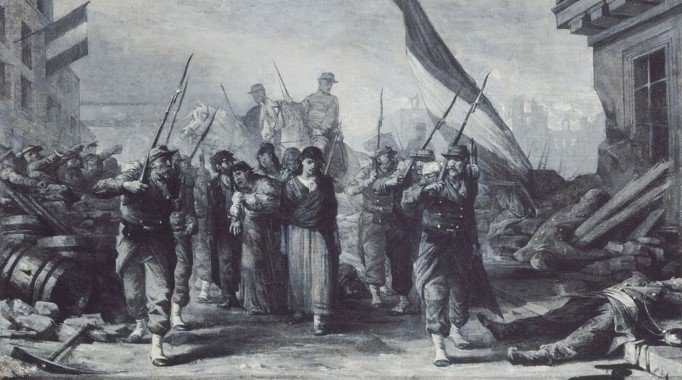
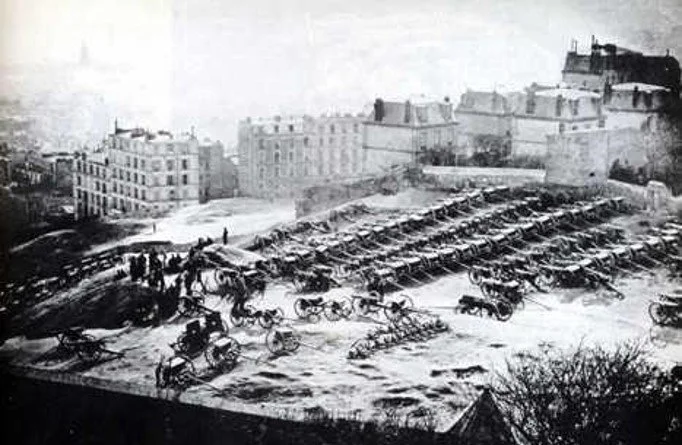
During the brief but brutal period of the Paris Commune in 1871, this idyllic square wasn’t a painter’s corner, it was a military artillery park.
Cannons stood where easels now rest, and the “Semaine Sanglante” (Bloody Week) saw thousands executed across the city, with this very hill as a stronghold.Montmartre is always two things at once: a place of freedom and resistance, of beauty and rebellion.
And Place du Tertre is where it all comes together.
Basilique du Sacré-Cœur
-
And here we are, the summit of Montmartre, and the final stop on our journey:
the Basilique du Sacré-Cœur.It stands at the highest point in Paris, 129 meters above sea level, like a crown of white stone watching over the city. But this isn't just a postcard view, it's a monument born from faith, suffering, and national trauma.
The story begins in 1870.
Paris was under siege after Napoleon III’s defeat at Sedan, and the people were starving, so desperate they even ate the animals in the Ménagerie. What followed was the bloody uprising of the Paris Commune and the deaths of over 30,000 people.For many Catholics, these tragedies were seen as divine punishment.
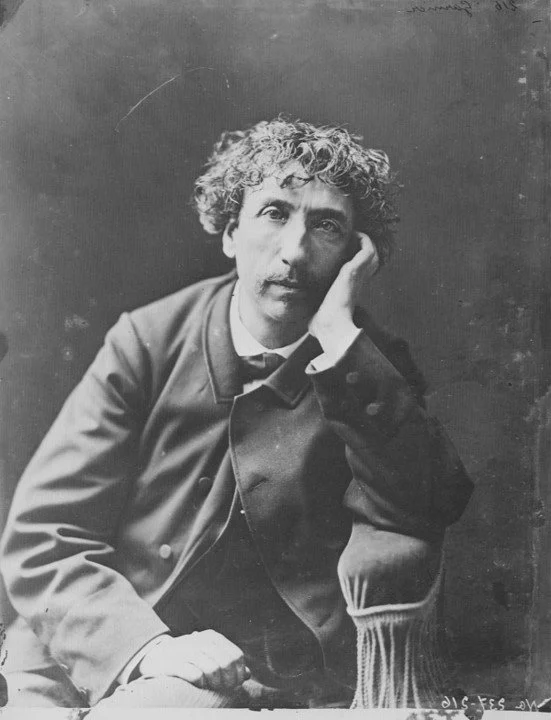
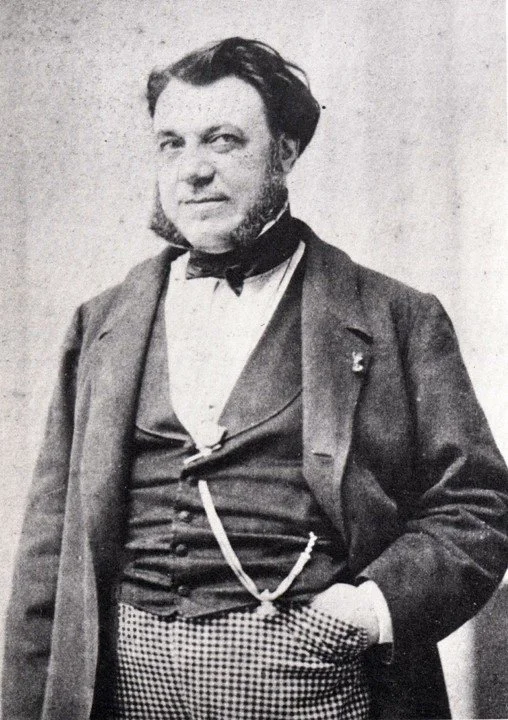
So in response, thousands of believers vowed to build a monument to the Sacred Heart of Jesus, a national act of penance.A competition was launched to choose an architect, with Charles Garnier, the mastermind behind the Paris Opéra, presiding. The winner? Paul Abadie, who designed a basilica inspired by Hagia Sophia in Istanbul.
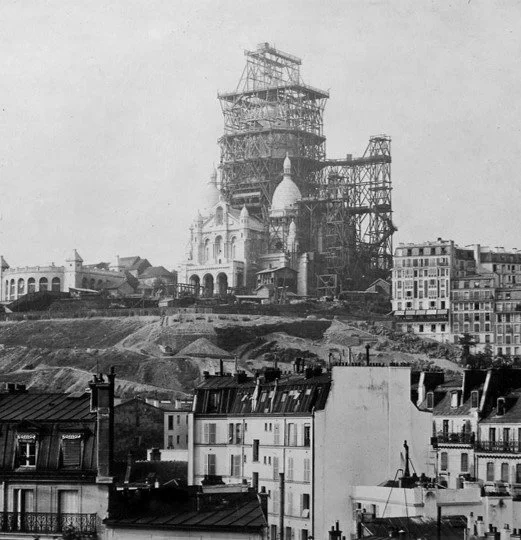
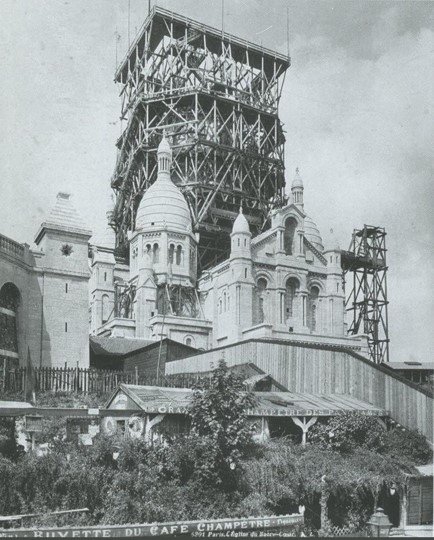
Construction began in 1875, but right away, there was trouble:
the ground was unstable, due to centuries of gypsum quarrying. Before building up, they had to dig deep, with massive foundations reinforced below the hill.And that stunning white color? It’s not bleach, it’s limestone from Château-Landon, which whitens naturally with rain and age.
By 1914, the bell tower was completed.
But the Great War delayed its consecration until 1919.And here’s a beautiful detail: the entire project was funded by the people of Paris themselves.
Donors could "buy" stones, for between 120 and 500 francs and become part of something greater than themselves.Today, the Sacré-Cœur is the second most visited religious monument in Paris, drawing over 11 million visitors per year.
And long before Christianity? This hill may have held Roman temples to Mars and Mercury, giving rise to the name Montmartre: “Mount of Mars.”
From pagan gods to sacred hearts, from rebellion to reverence, this hill has seen it all.