Thank you for Your Purchase !
We hope you will enjoy it !
The Canals of Science
The Canals of Science tour invites you to explore an unusual side of Paris, where contrasting architectural styles and atmospheres unfold along the way.
Discover the futuristic structures of Parc de la Villette, then unwind along the tranquil banks of the Canal de l’Ourcq and the Canal Saint-Martin, before ending your journey beneath the Spirit of Liberty statue, proudly standing atop Place de la Bastille.
Ready? Let’s dive into the timeless beauty of Paris!
DISCLAIMER :
While this tour can be done on foot, we highly recommend booking a boat cruise with Canauxrama to fully experience the underground section of the Canal Saint-Martin. The 2:00 PM departure is ideal, but cruises also leave at 4:00 PM and 6:00 PM. The price is €23.
Be sure to board at the Bassin de la Villette (in front of 13 Quai de la Loire – Paris 19), not from the Arsenal/Bastille side.
Thank you for your understanding, and enjoy the journey!
Let’s begin our adventure!
Your journey starts here : at 30 Av. Corentin Cariou, 75019 Paris, right in front of La Cité des Science, as shown on the map beside you.
When you're ready, we’ll take our first steps into history !
We will walk around the parc, so don’t hesitate to go inside la Cité des Science if you are a Science fan !
La Villette
-
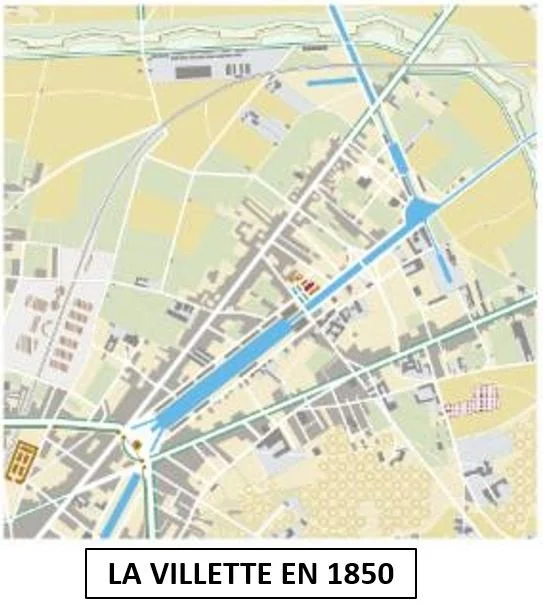
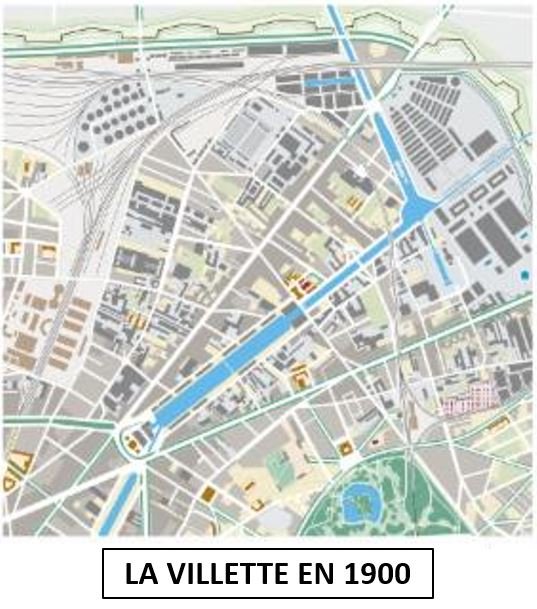
Welcome to La Villette! What is today one of the largest cultural parks in Paris was once a buzzing industrial hub. But let’s rewind time…
Back in Roman times, a small village was formed here on the road leading to Flanders. By 1426, it was known as “La Villette-Saint-Ladre-lez-Paris.” Sounds poetic, doesn’t it?
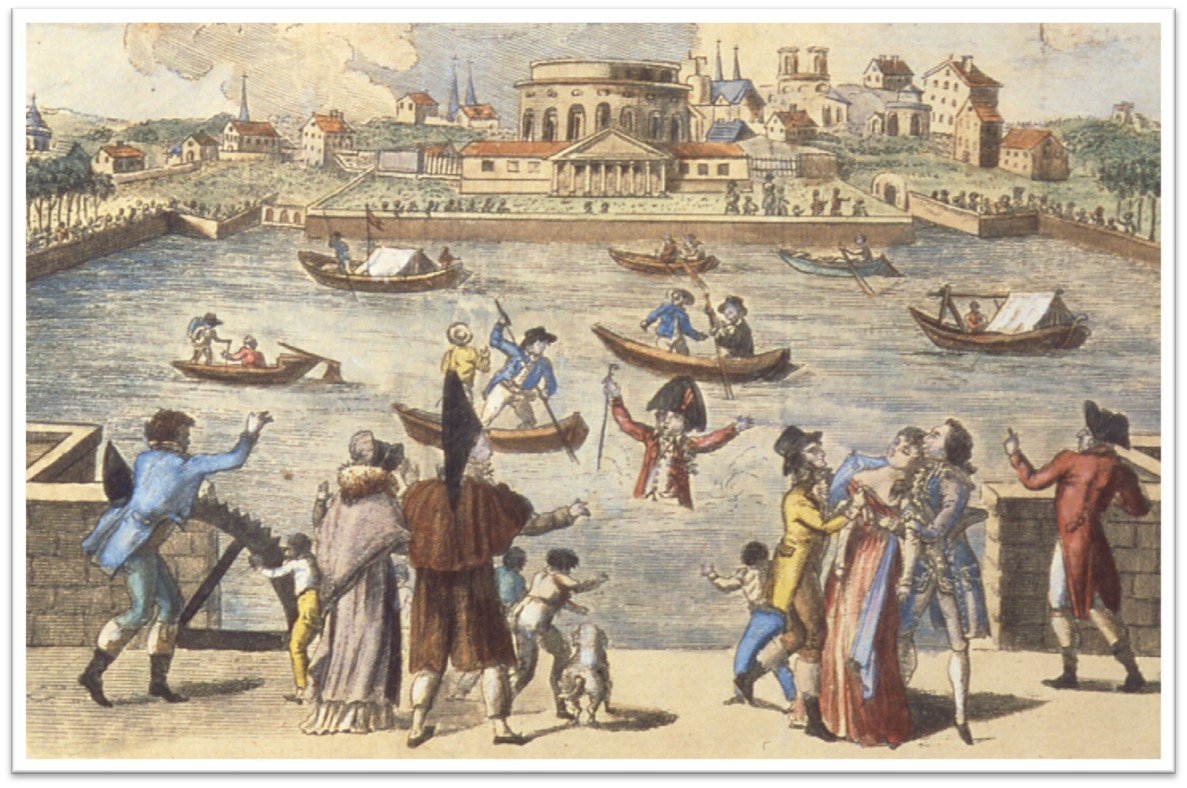
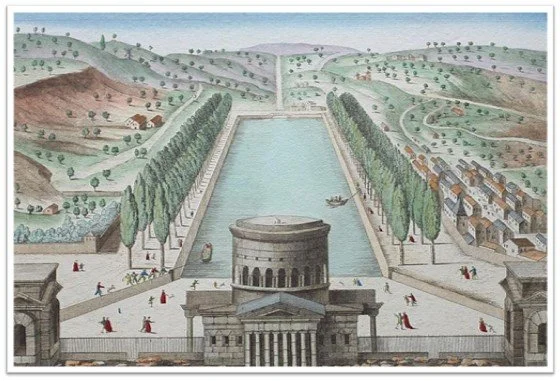
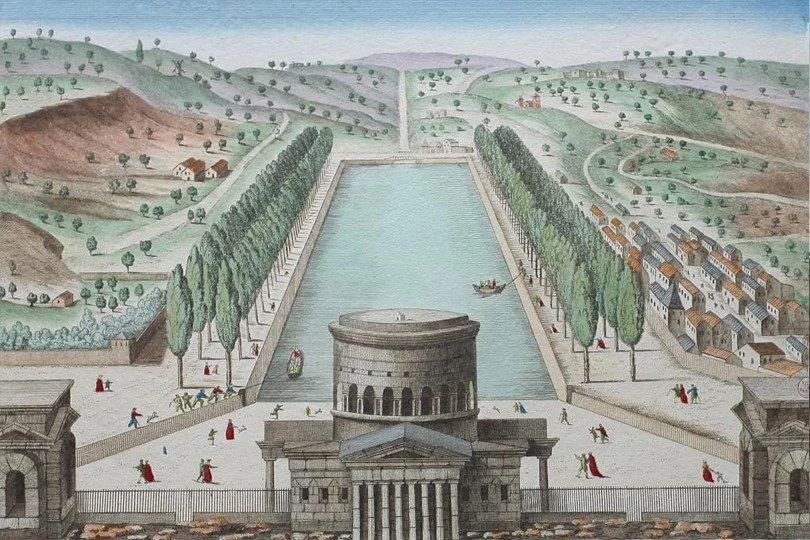
Fast forward to the late 18th century, the village was still quite peaceful with just 1,800 inhabitants, until water came into the picture. In 1808, the Bassin de la Villette was filled, connecting the Canal de l’Ourcq and the Canal Saint-Martin. This allowed barges to bypass the busy center of Paris, turning La Villette into Paris' main inland port.
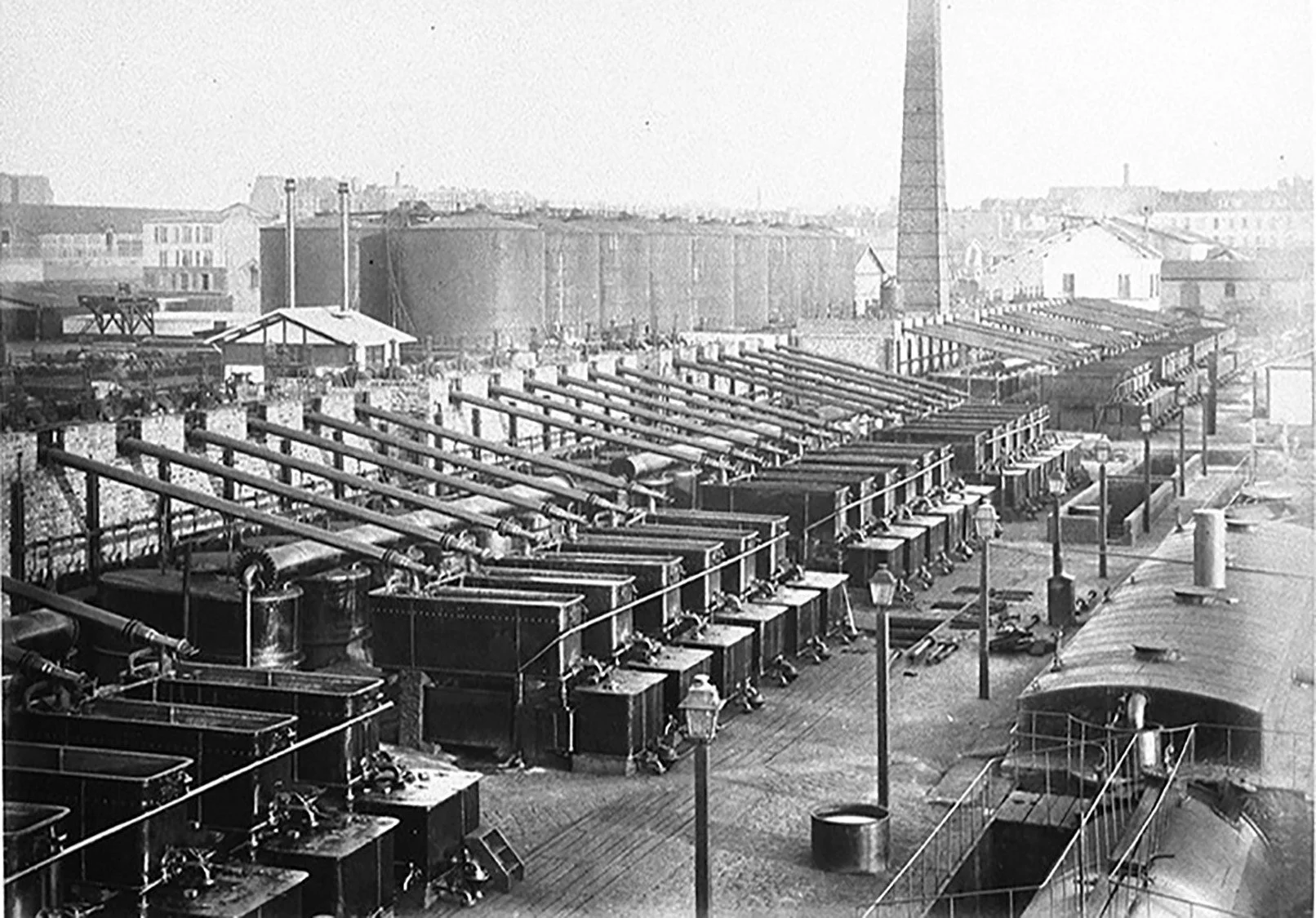
By 1860, over 10,000 boats a year were docking here, more than the port of Bordeaux! Warehouses popped up along the water. Soon followed industries of all kinds: soap factories, sugar refineries, crystal manufacturers, piano makers… even a railway network ran directly to the factories.
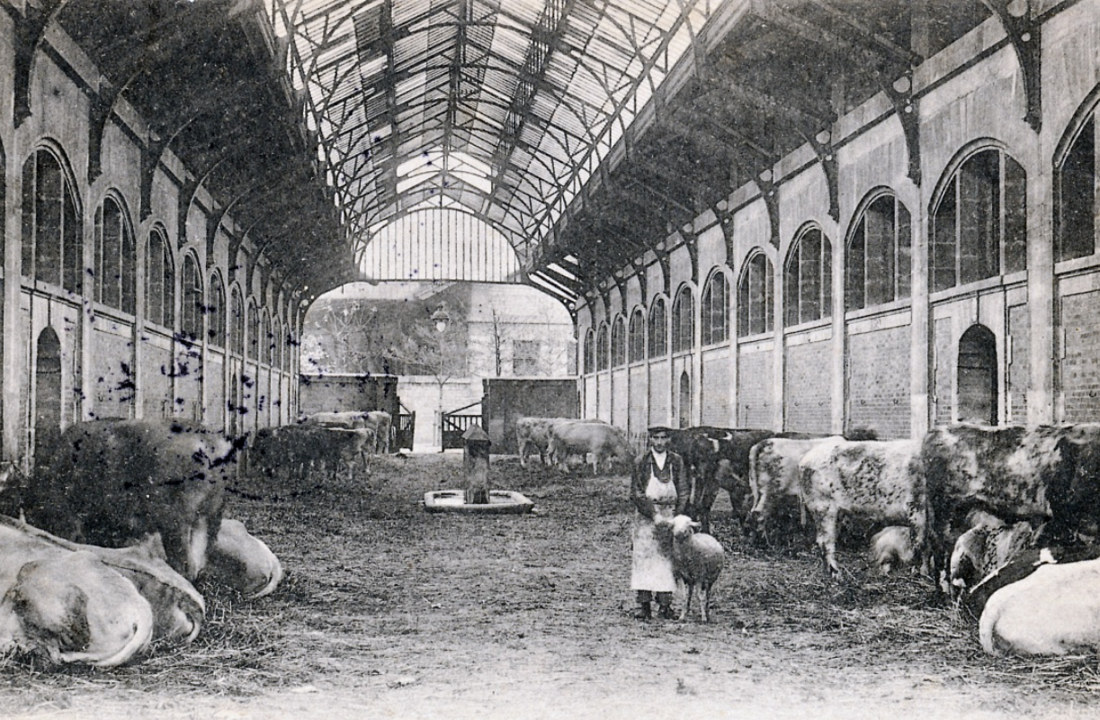
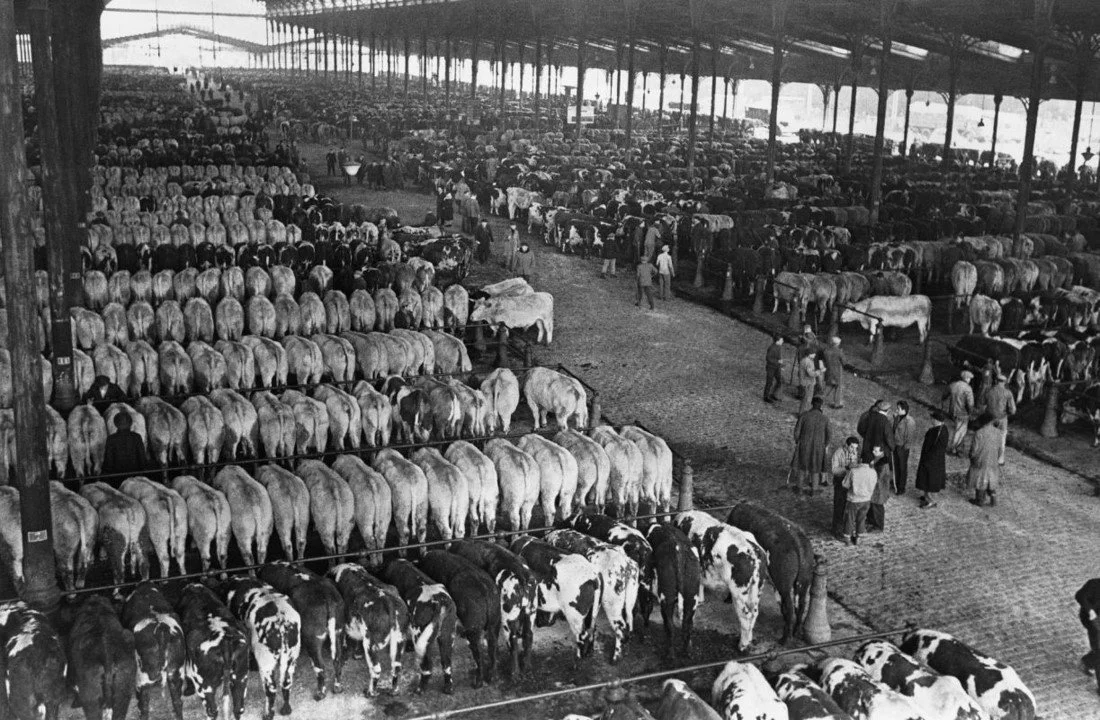
But it’s in 1859 that Baron Haussmann, yes, that Haussmann, the man behind modern Paris, decided to build a massive livestock market and abattoir complex right here. For over a century, this was the stomach of Paris, where meat was processed and shipped throughout the city. That era ended in 1974 with the slaughter of the last bull.
But from death came rebirth: in the late 1970s, a bold transformation began. President Valéry Giscard d’Estaing launched a visionary plan: a 55 hectare cultural park filled with music, science, gardens, and modern architecture.
Today, you’ll find here:
🎶 The Philharmonie de Paris
🧪 The Cité des Sciences et de l’Industrie
🌳 The Parc de la Villette and its themed gardens
🛶 The canal with boats, picnics, and summer cinema
La Villette is a true symbol of Paris’ ability to reinvent itself, from cowbells to concert halls.
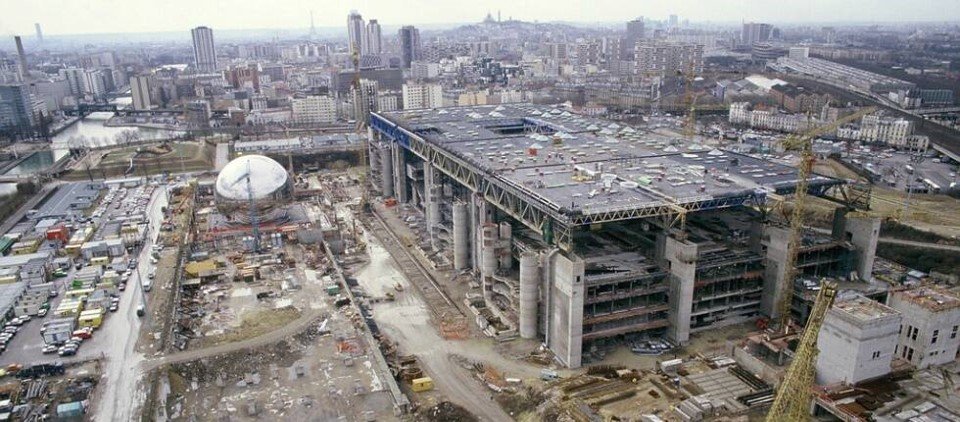
The Cité des Sciences
-
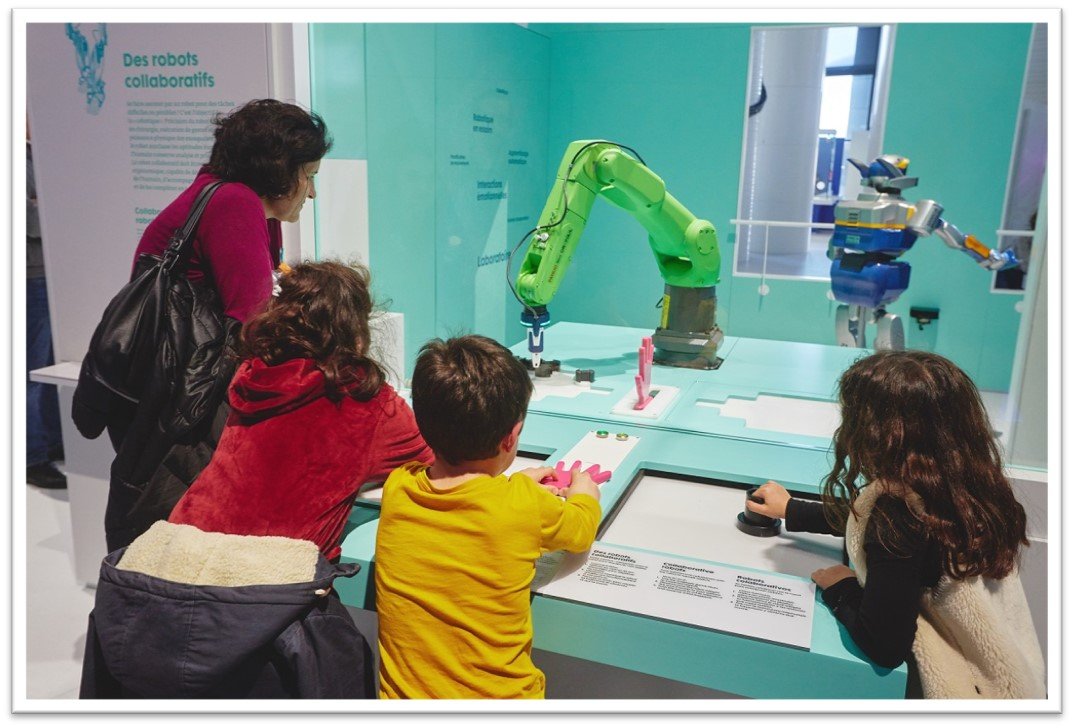
Alright everyone, welcome to one of the most fascinating places in all of Paris, the Cité des Sciences et de l’Industrie!
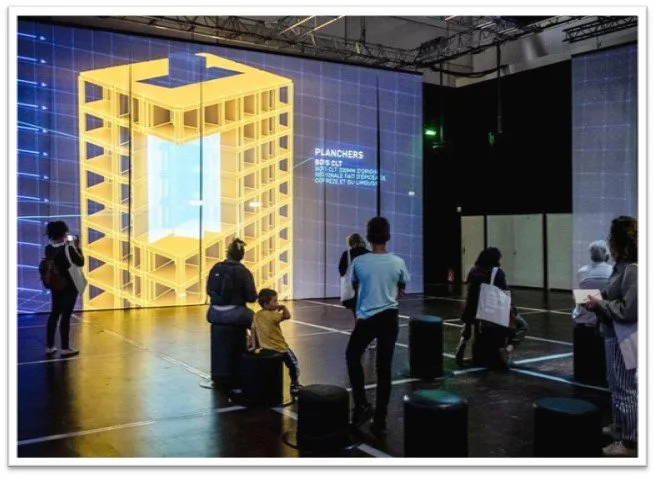
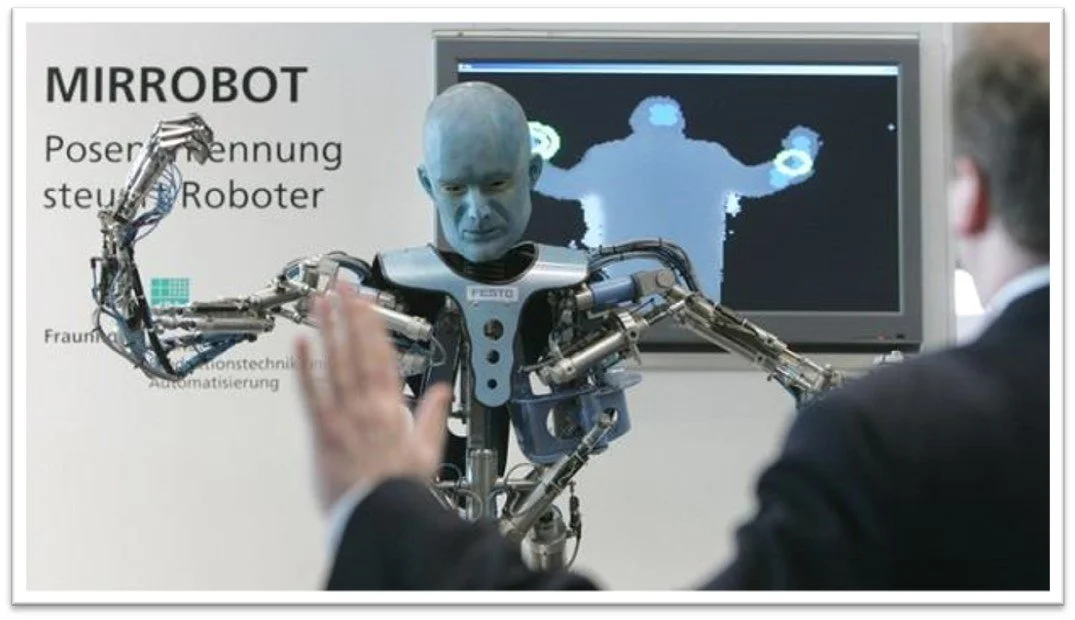
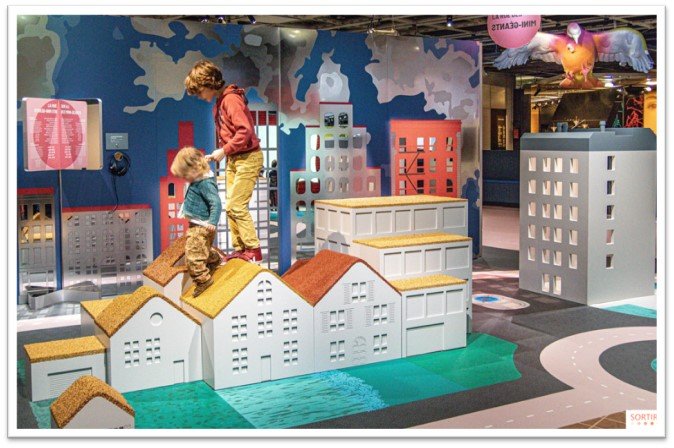
We are now in the heart of La Villette, one of the most vibrant and culturally rich districts in the city. Just take a look around, this massive space is not just a museum. It’s a playground for the curious mind.Here, learning isn’t boring. You can touch, experiment, play, and explore. From science to technology, medicine to space, it’s all here.
You’ll find interactive permanent and temporary exhibitions, a Children’s City specially designed for kids, a Health Center, a Careers Hub, and even a full scientific library!And don’t miss the planetarium, a magical, ultra-realistic journey through the cosmos. It’s like flying among the stars without ever leaving your seat.
This isn’t just a museum, it’s an experience.
La Géode
-
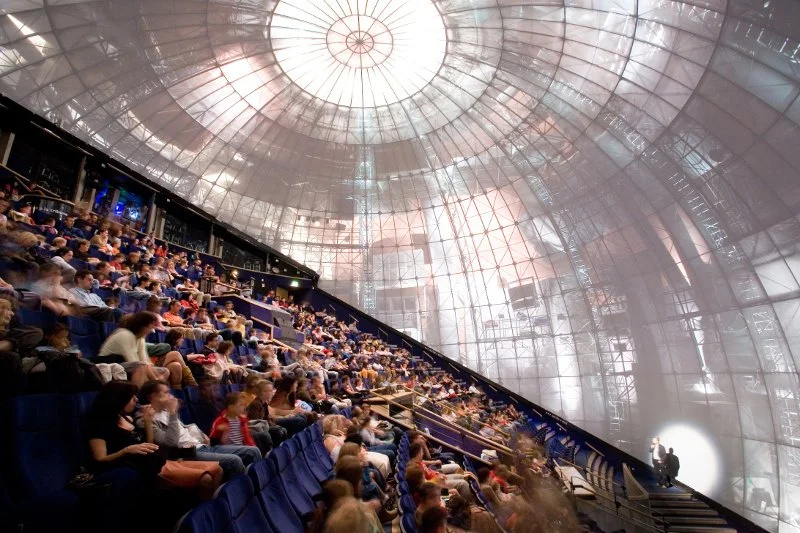
Alright everyone, take a good look at this incredible silver sphere, this is La Géode, a true Parisian landmark!
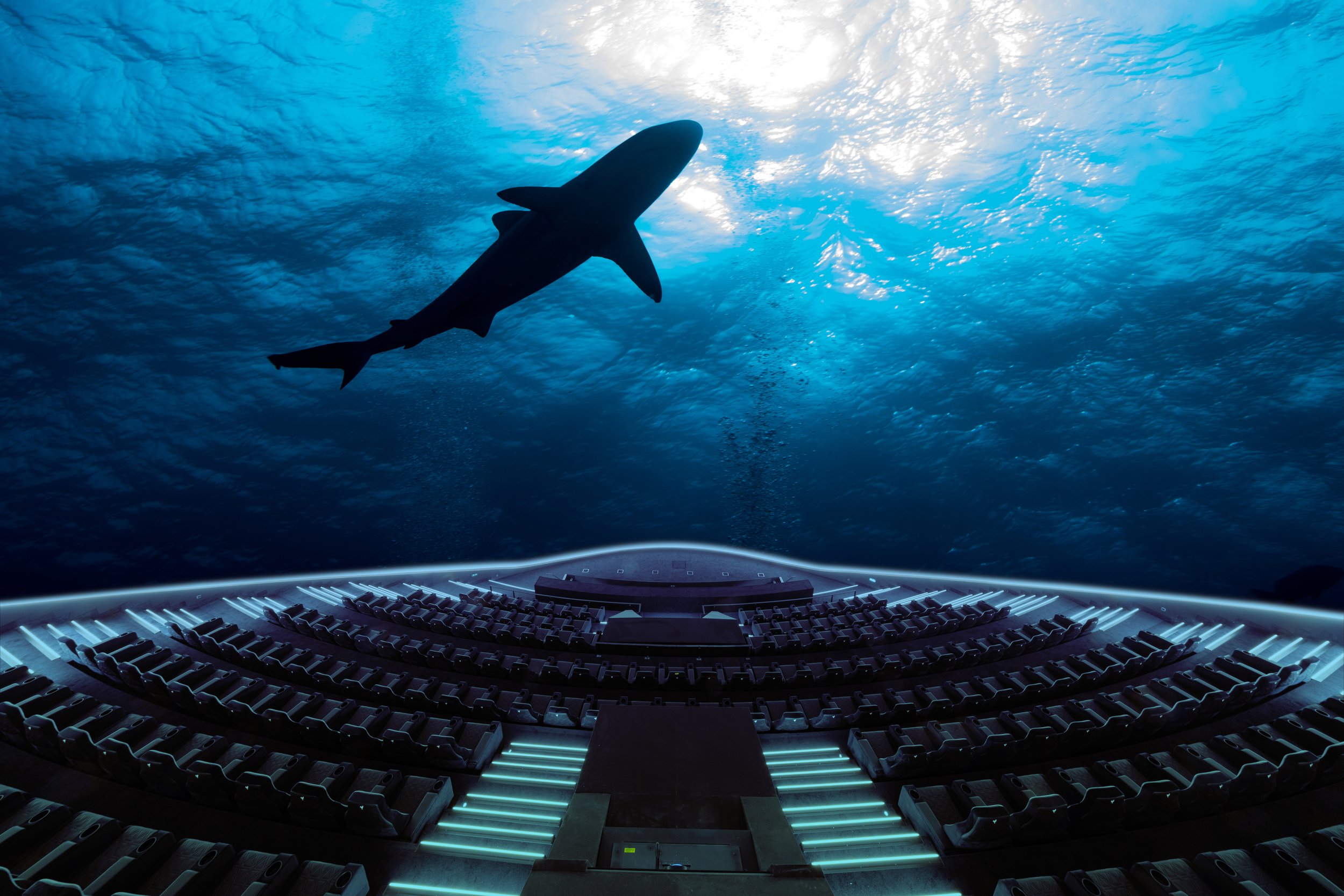
Inaugurated in 1985, La Géode is one of the largest hemispheric cinemas in the world. With its massive dome-shaped screen, it creates the breathtaking sensation of being inside the image. It’s not just a movie, it’s an experience.
Over the years, La Géode has welcomed more than 20 million spectators with stunning films about science, nature, music, and art. Many of the screenings are in IMAX or 3D, making everything feel hyper-realistic.
Want to hear something fun? The surface is made of exactly 6,433 triangles and the name “Géode” comes from the word ‘geodesic,’ referring to the shape and proportions of the Earth.
Some say it even looks like Cerebro, the powerful mind-enhancing sphere from the X-Men films. Professor Xavier would be proud!
Zénith of Paris
-
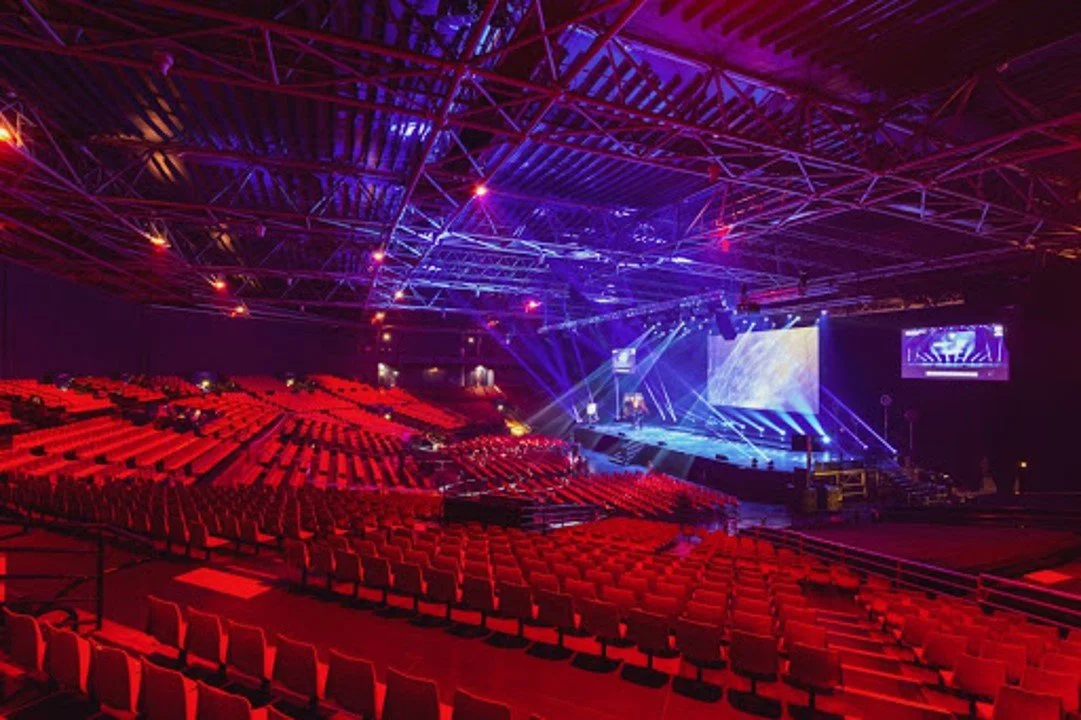
Now, here we are in front of the legendary Zénith de Paris!
Built in 1983, this was the very first venue under the now-famous name “Zénith” and since then, 17 others have been built across France. It paved the way for a new generation of large-scale music venues.
With a capacity of 6,804 seats, it was designed to host all kinds of major live performances, from rock concerts and rap shows to world music, musicals, comedy acts, and more.
If you’re ever lucky enough to attend a show here, you’ll see that it was made to deliver the ultimate concert experience, both in acoustics and atmosphere. It’s a true temple for live entertainment!
The Trabendo
-
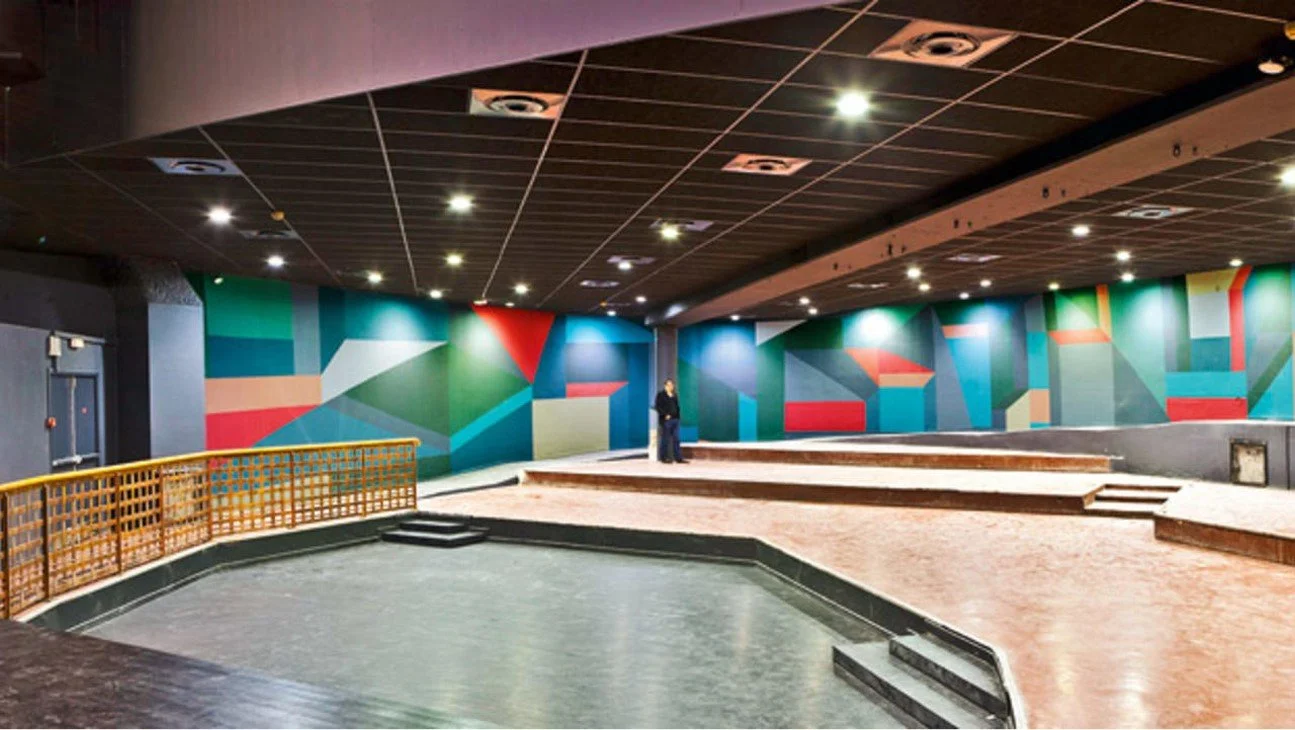
And now we arrive at Le Trabendo, one of the most exciting live music venues in Paris!
This place was originally known as the Hot Brass back in the mid-1990s. At the time, it was a hotspot for jazz and rhythm & blues, hosting legends like Joe Zawinul, Ben Harper, and George Clinton.
Today, it has transformed into Le Trabendo, a 700-seat venue known for its edgy and eclectic programming, from rock and electro to hip-hop and club nights.
Big names like the Rolling Stones, Justice, and Local Natives have played here, pretty impressive for an intimate venue, right?
La Philharmonie de Paris
-
And here we are, standing in front of one of Paris’s most striking and modern landmarks: La Philharmonie de Paris, designed by Jean Nouvel.
Take a look at its shimmering facade, it’s covered in 340,000 aluminum birds, in varying shades of grey. Stunning, right?
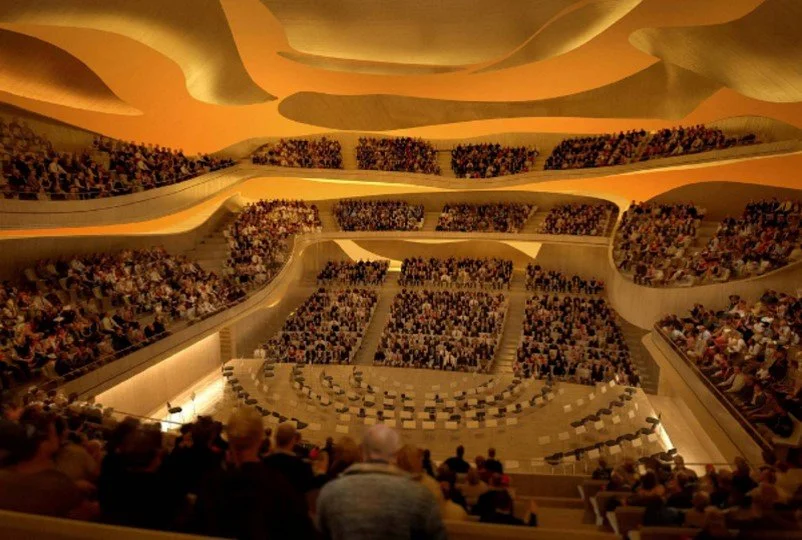
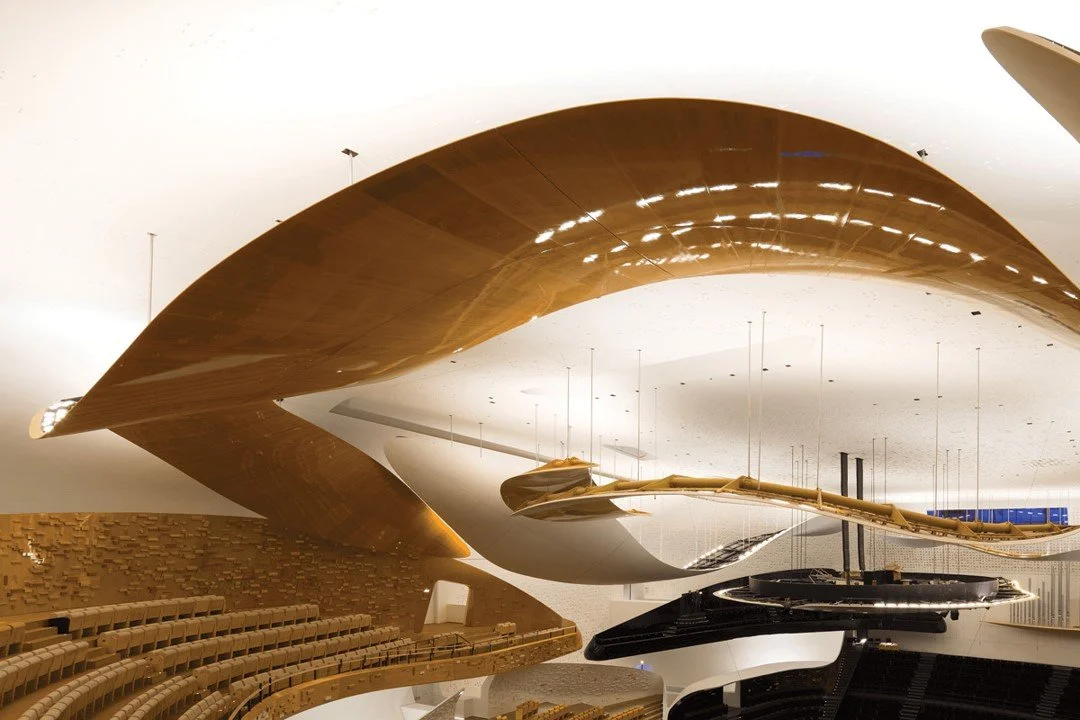
Inside, the Grande Salle Pierre Boulez seats 2,400 people, and it’s been crafted to create an intimate, immersive experience, thanks to these clever hanging ‘clouds’ above the audience and a balcony system in cantilever. The acoustics are state-of-the-art, designed by the best in the world, including Yasuhisa Toyota, the same man behind LA’s Walt Disney Concert Hall.
And if you’re wondering what happens behind the stage, well, those seats can either hold the choir or even the audience, depending on the performance. Pretty versatile! From classical symphonies to film concerts or even amplified music, the space adapts.
So whether you’re a seasoned symphony-goer or just curious, this is one of Paris’s proudest cultural jewels.

La Grande Halle de la Villette
-
Right behind me, you see La Grande Halle de la Villette, a magnificent iron and glass structure that once echoed with the sounds of hooves and market cries. Hard to believe, but this elegant building was once the heart of Paris’s largest slaughterhouse district.
On market days, Mondays and Thursdays, more than 5,000 cattle could be packed under this roof. And the streets? Well... they were less glamorous. With no real sanitary regulations, animal remains often littered the ground. It’s no surprise the place was nicknamed the “City of Blood.”
Around 1900, as many as 23,000 sheep and 5,000 oxen were slaughtered and skinned here every single day. The meat? Expensive, and the quality... questionable at best.
Today, this space has been entirely reimagined. From butchering to culture, it now hosts festivals, exhibitions, concerts and even food fairs, ironically enough. A perfect symbol of how La Villette transformed from an industrial hub to a creative one.
La péniche Antipode
-
Now here’s a real character on the water, meet the Péniche Antipode, a 72-year-old boat that once carried freight all across the European canal system. For six decades, she was a working barge. But in 2002, the Abricadabra company gave her a second life as a floating cultural hub.
Since then, she’s been hosting children’s shows, concerts, and cabarets. But today, we’re focusing on the Café Antipode, a local favorite where you can eat well without emptying your wallet.
Forget the supermarket classics, here, the menu is all about discovery. There’s a huge selection of teas, craft beers, and artisan products. Hungry ? You can find tasty homemade soups, savory tartines, warm camembert with crusty bread, tapas, salads, and sweet treats, all at very affordable prices, usually between 7 and 10 euros!
And the atmosphere? Relaxed, warm, and full of charm, especially in the evening when the lights reflect on the canal. It's a true Parisian secret.
Pont-Levant (lifting bridge)
-
Now, take a look at this structure ahead, it's the Pont-Levant, or lifting bridge. It was built over the Canal de l’Ourcq to allow the railway line to cross, a branch of the famous Chemin de Fer de Ceinture, which used to loop around all of Paris.
Why a lifting bridge, you ask? Simple! This whole area used to be buzzing with barges, cargo boats, and trains. The bridge had to rise to let boats pass underneath, then lower again so trains could cross. It served the Gare de Paris-Bestiaux, the station that connected directly to the massive cattle market and slaughterhouses just next door.
A symbol of pure industrial ingenuity and a reminder that La Villette was once a place of roaring engines and bustling commerce, not just green lawns and music festivals.
Pavillon des Canaux
-
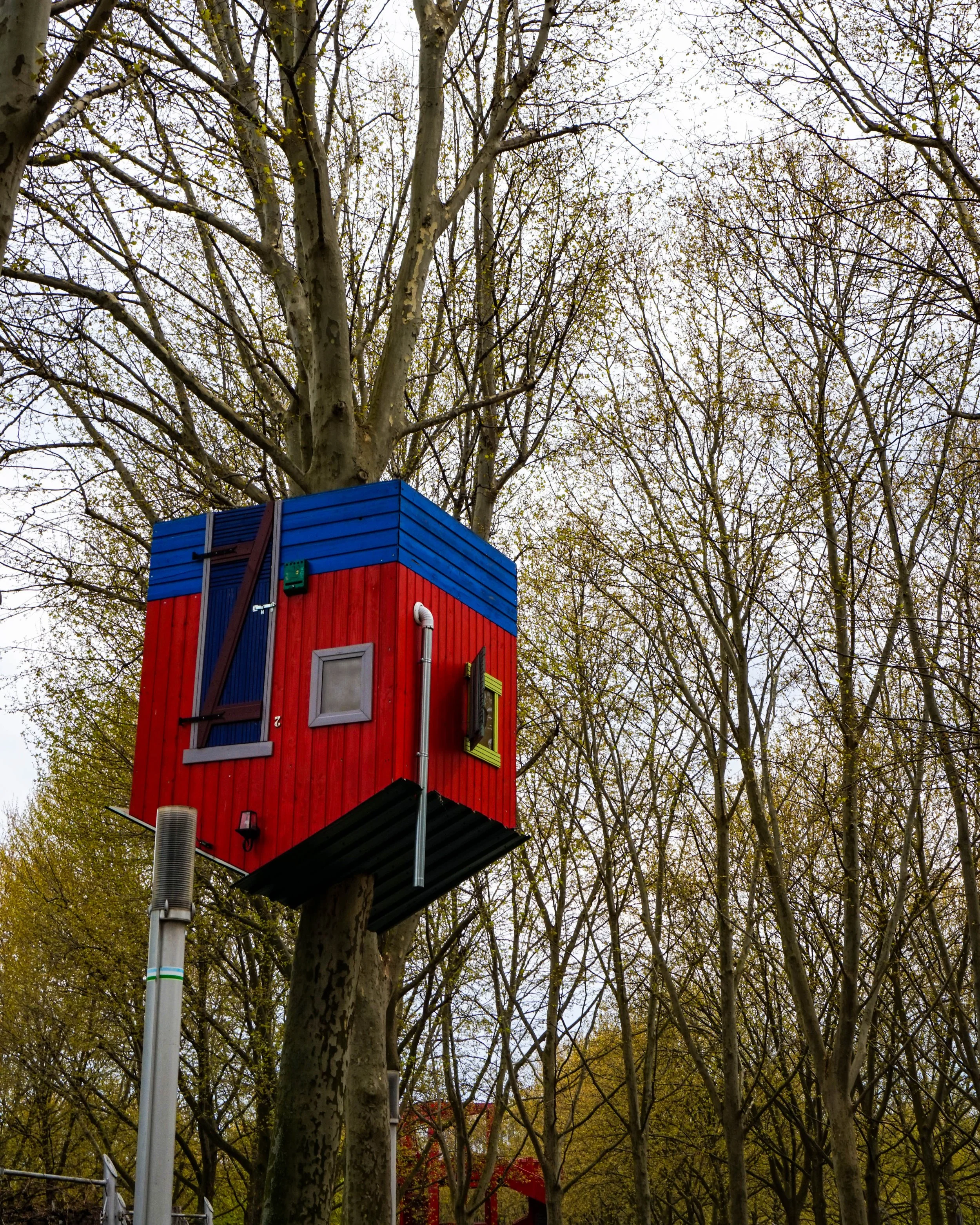
This was once the official home of the canal inspector, imagine that! It stood abandoned for years until it was completely transformed into a unique and lively café-house. And when I say 'house,' I mean it literally, upstairs, you’ll find a real living room, bedrooms, even a bathtub… all fully decorated, and yes, you can sip your coffee in the bathtub if you feel like it!
Their motto? To be a house that discovers new trends, friendly, creative, and full of life. Like home, only better.
Everything is homemade, from the soups to the juices. Even the wine list is half organic, and prices are surprisingly reasonable for Paris. So if you’re hungry after this walk, you know where to come!
Canal de l’Ourcq
-
Welcome to the Canal de l’Ourcq, a vital waterway with a history that stretches back centuries. As early as the 15th century, the Ourcq region was already supplying Paris with grain, firewood, and construction timber. But it was Napoleon Bonaparte, in 1802, who made the bold decision to construct the canal as we know it today.
The project aimed to bring fresh, flowing water into the city, not stagnant, but clean and in motion, so the canal was built with a slight slope to keep the current going. Over 300 Prussian prisoners were even employed in the construction, especially in the Bois Saint-Denis area.
It stretches 100 kilometers, connecting the rivers Ourcq and Beuvronne all the way to Paris. And where you’re standing now, the Bassin de la Villette, was the first major reservoir, filled in 1808.
There’s a touch of imperial theatre too: on the anniversary of Napoleon’s coronation and the victory at Austerlitz, the dams were broken and the water rushed in ceremonially. Paris had just received its first major flow of fresh canal water… and a piece of Napoleonic glory !
Les Orgues de Flandre
-
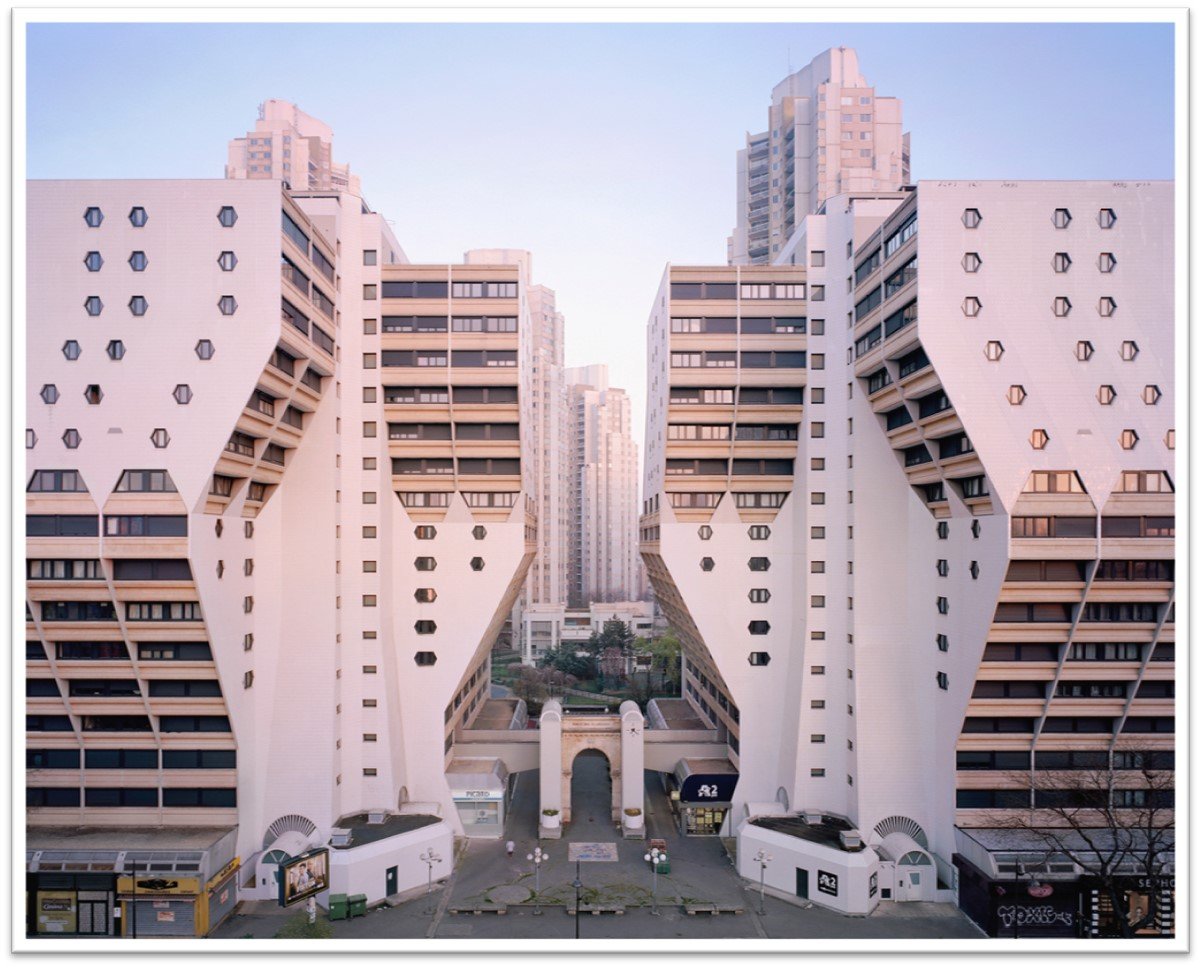
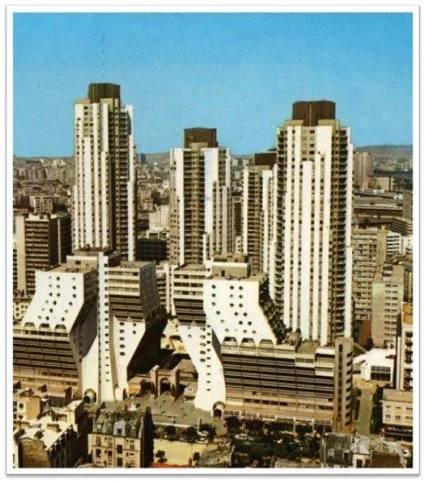
Now take a look at this striking and unexpected skyline welcome to Les Orgues de Flandre. This architectural complex was built between 1973 and 1980, and it’s been turning heads and dividing opinions, ever since. The German architect Martin Schulz van Treeck wanted to break away from the monotony of the 1950s social housing blocks. So, what did he do? He went bold.
The result? A dramatic postmodern vertical design. You see four towers here: Sonate, Fugue, Cantate, and Prélude. And that one, Prélude, reaches 123 meters, making it the tallest residential building in Paris, and the sixth tallest in the whole city.
But now look down, yes, right there at the entrance, notice that stone portal? It seems completely out of place, doesn’t it? That’s because it’s a remnant from the Cité des Flamands, a working-class neighborhood established here in 1850.
When construction on the new towers began, everything old was about to be demolished. Everything... except this gate. Thanks to the efforts of François Loyer, an art historian who fought to preserve a piece of the past, this portal was saved as a silent witness to a vanished world.
La Rotonde de La Villette
-
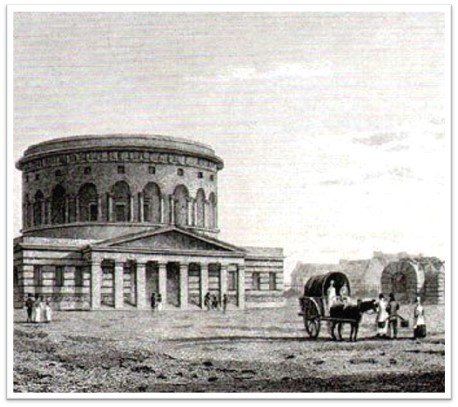
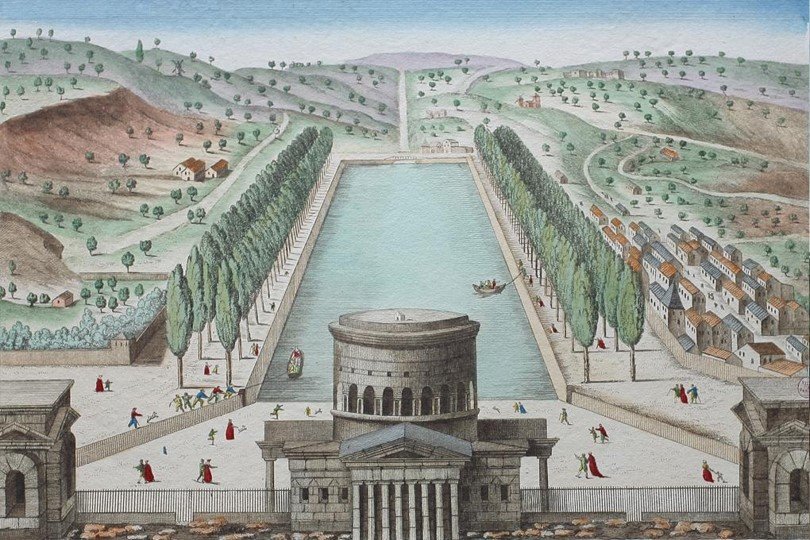
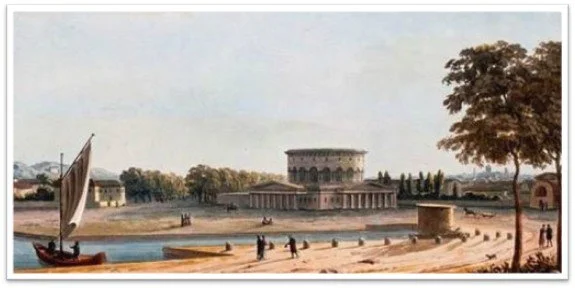
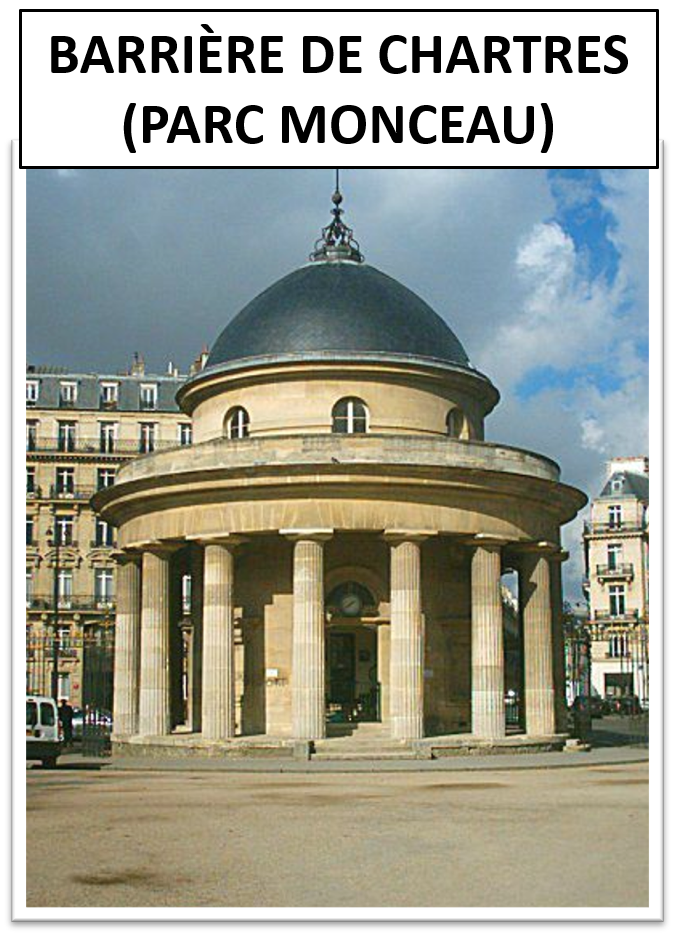
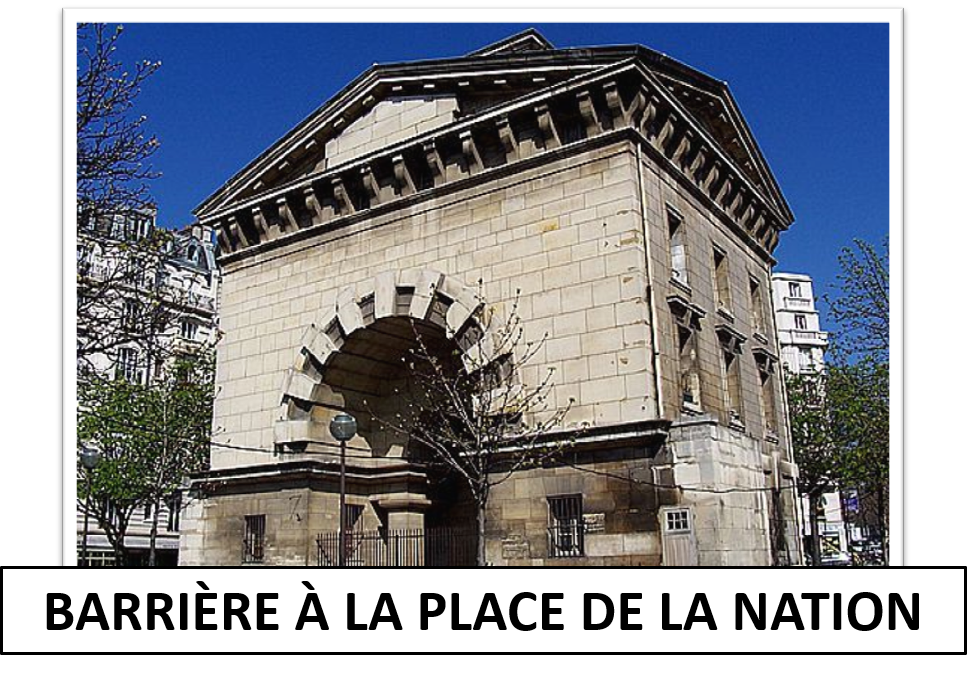
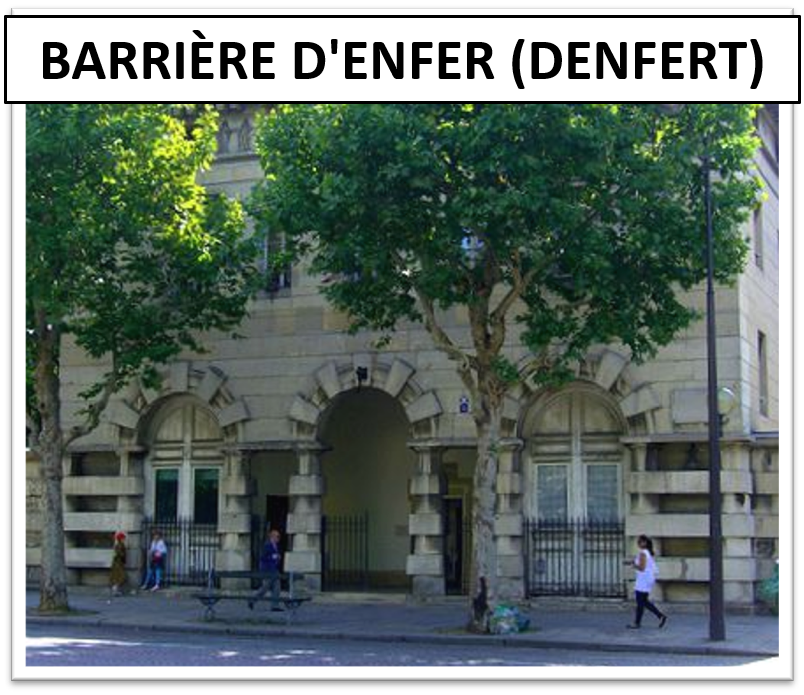
And now, feast your eyes on one of Paris's hidden architectural gems: La Rotonde de La Villette. Doesn’t it look like it belongs in an ancient city? That’s no coincidence, it was designed in the 1780s by the brilliant architect Claude-Nicolas Ledoux, often considered a pioneer of modern urban planning.
La Rotonde was originally part of the Barrières de Paris, a wall not meant for defense… but for tax collection! Yes, this was a toll booth. Every time goods entered the city, they were taxed, especially alcohol, the most heavily taxed item. So naturally, wine smugglers got very clever about avoiding it!
Ledoux built dozens of these structures around Paris, but this one is the largest, and it has quite the dramatic history. It served as a military guard post, a salt warehouse, and it was burned twice, once during the Paris Commune in 1871, and again in 1935. Each time, it was painstakingly restored.
Today? It’s no longer a checkpoint for smugglers or soldiers, it’s a chic restaurant, surrounded by a peaceful square. So next time you pass by, remember: behind these classical columns hides a wild tale of wine, fire… and taxes!
Canal Saint-Martin
-
You might recognize it from a few romantic movies… but its history goes far beyond that.
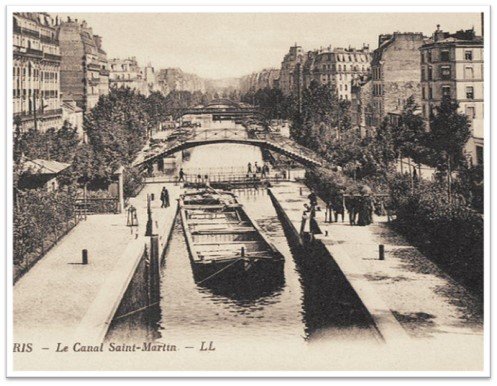
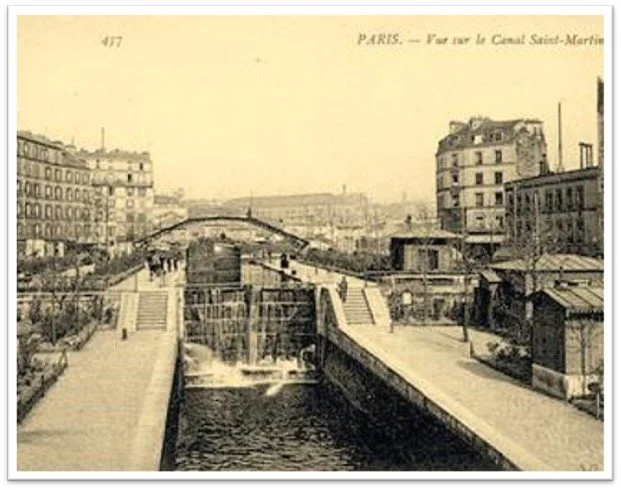
Construction began in 1805, commissioned by none other than Napoleon Bonaparte, and was completed in 1825. The idea? Bring fresh drinking water to Parisians and also to transport goods into the heart of the city. With nine locks and nearly 5 kilometers in total, the canal connects the Bassin de la Villette to the Seine.
As industry grew, factories and warehouses popped up along the water, it became the Amazon Prime of the 19th century! But by the 1950s, trucks had taken over and water traffic slowed down dramatically.
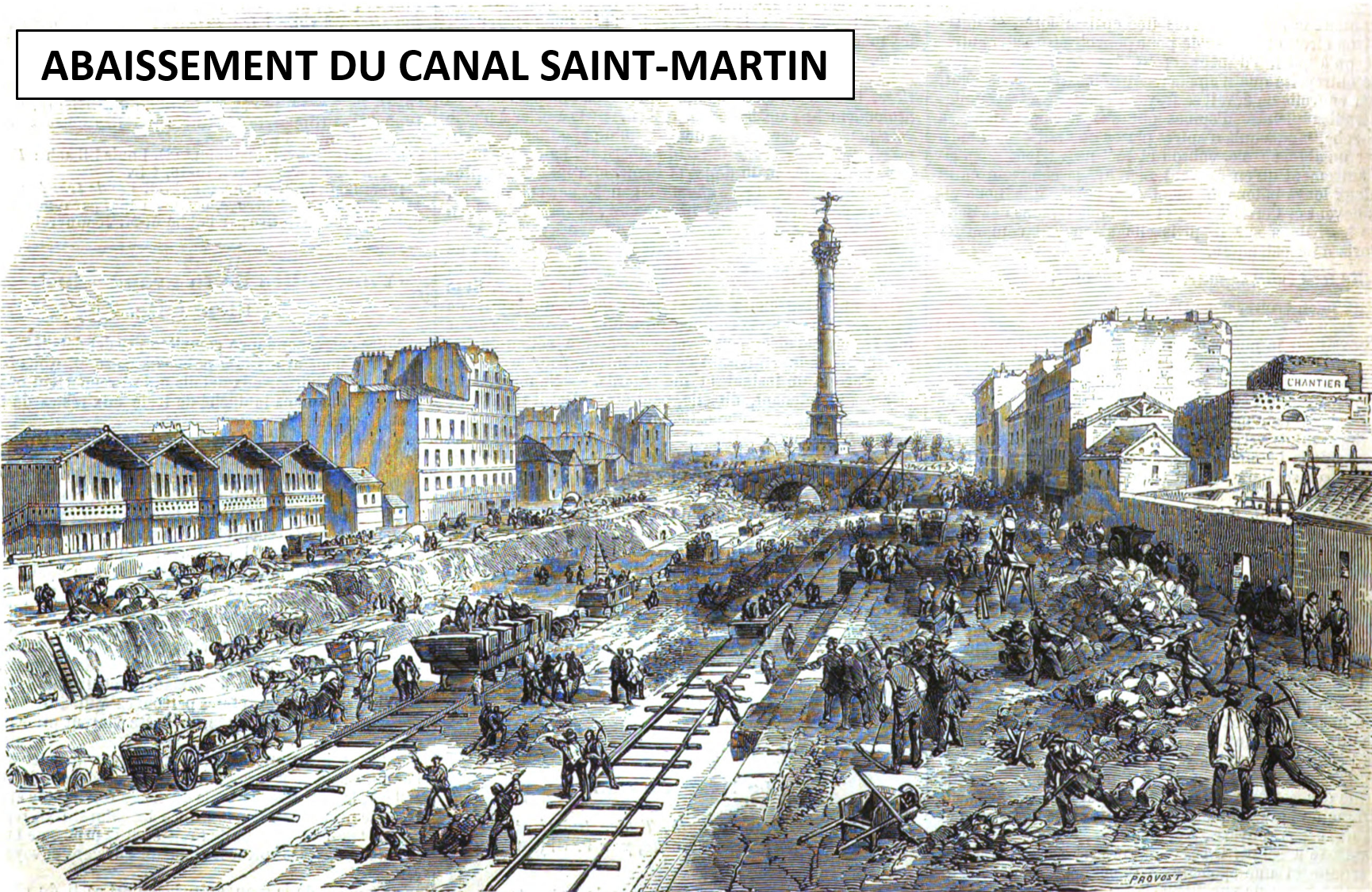
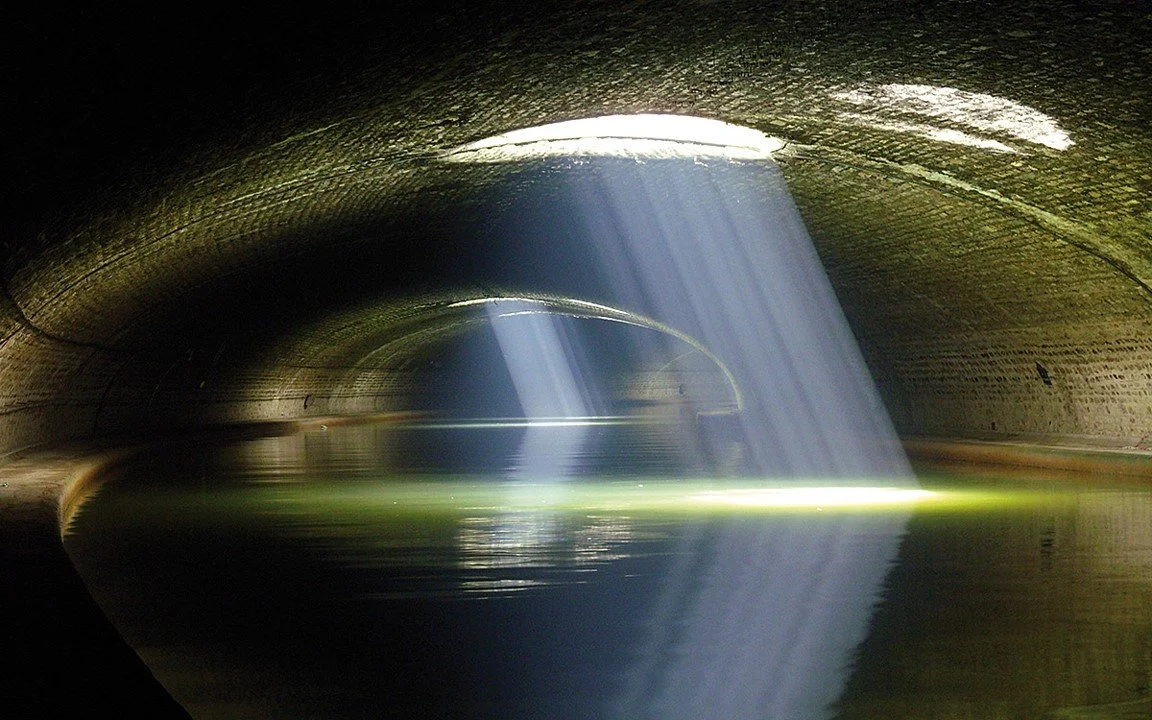
Now here’s the fun part: in the late 1800s, Baron Haussmann had big plans for wide boulevards, but the canal was in the way. So his engineer, Eugène Belgrand, simply lowered the canal by six meters and buried a large section underground. Problem solved and voilà, Boulevard Voltaire was born.
Every 15 years, the city drains the canal for cleaning. Last time? They pulled out tons of fish… and 40 tons of garbage! Bikes, scooters, even shopping carts. So, look down into the water… maybe someone’s lost treasure is still waiting to be found.
Canauxrama boat tour
-
Now if you’re looking for a truly unique way to experience the Canal Saint-Martin, let me recommend the Canauxrama boat tour.
This scenic cruise takes you from the Port de l’Arsenal near Bastille all the way to the Bassin de la Villette, in the 19th arrondissement. Along the way, you'll float through an extraordinary 2-kilometer underground tunnel, yes, a secret Paris below Paris, before reemerging into daylight.
The highlight? Passing through the old locks. Watching them in action is fascinating, you’ll get to see exactly how boats are raised or lowered to navigate the difference in water levels. It’s a slow process, yes, but one that showcases the ingenious engineering that lets boats travel deep into the city without disrupting street traffic.
So if you're not in a rush, it's a perfect blend of relaxation, history, and curiosity. A calm ride through the hidden veins of Paris.
Place de la Bastille
-
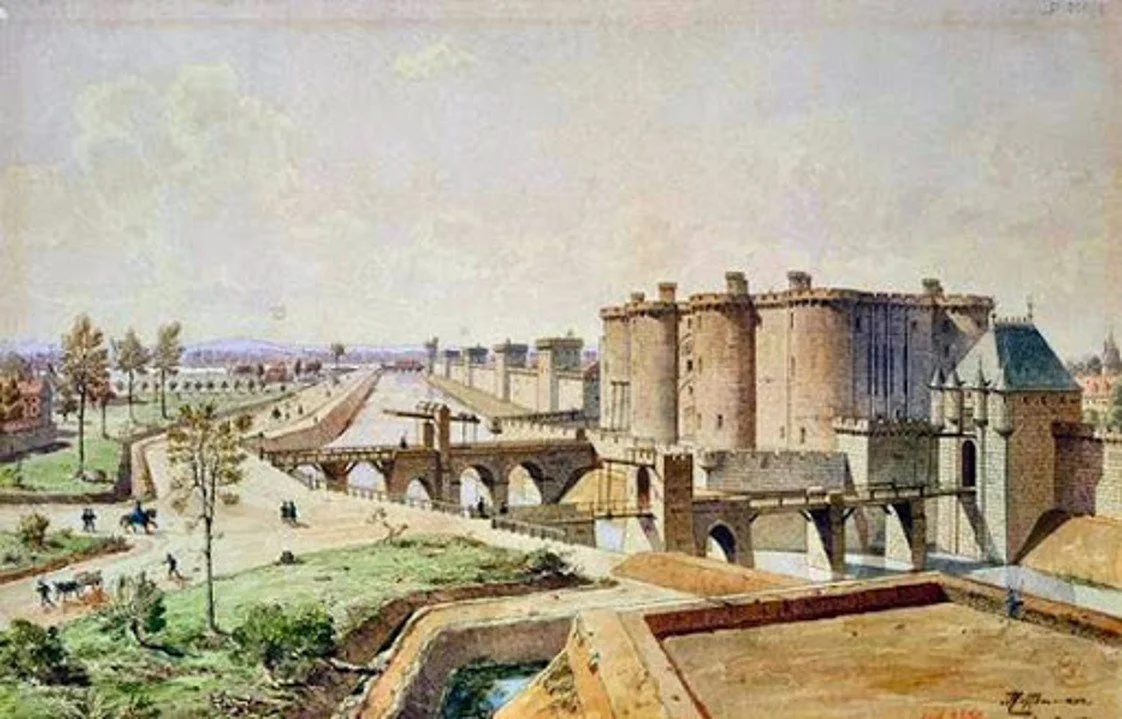
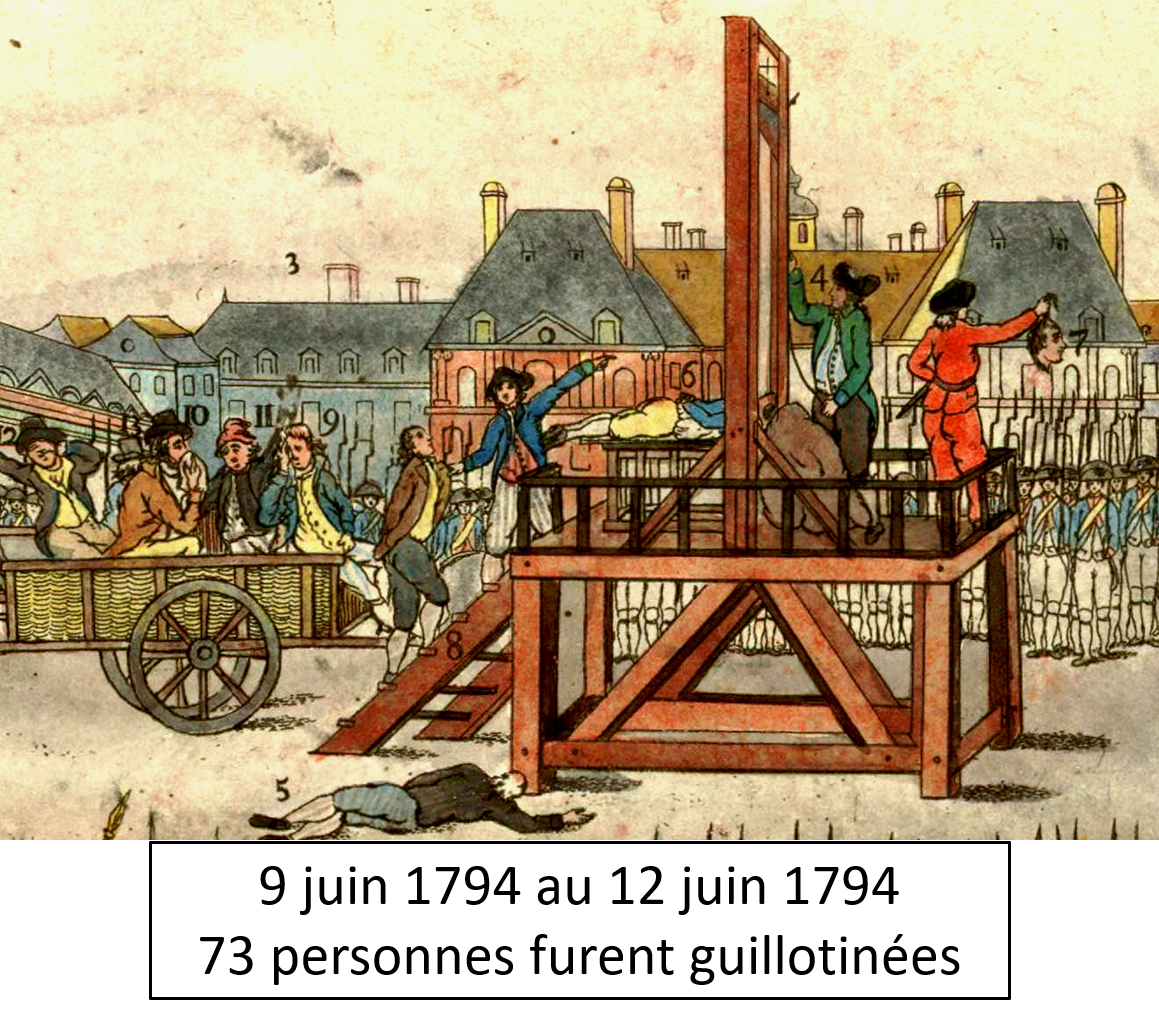
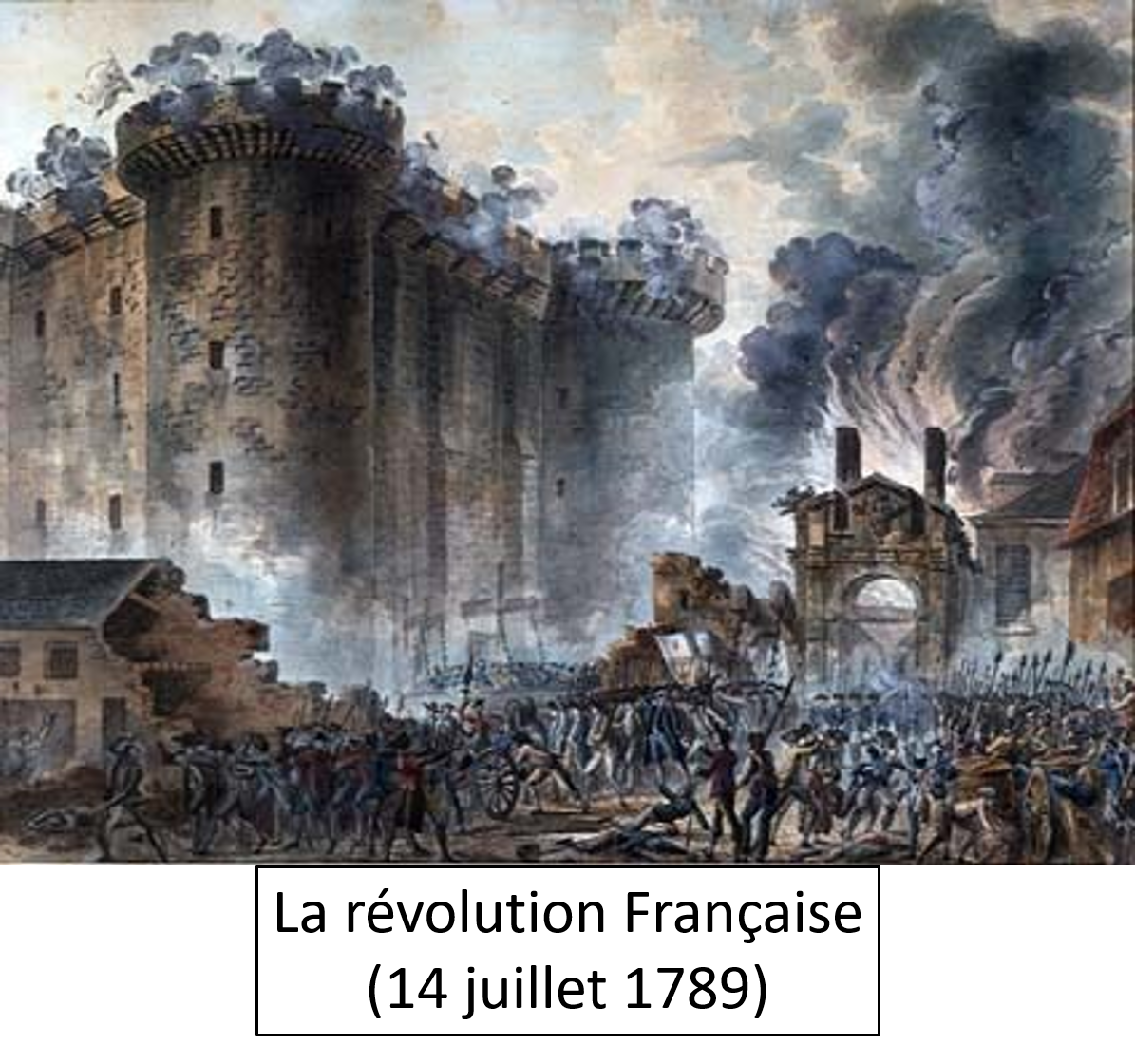
Here we are at Place de la Bastille, a square loaded with history and emotion. Right here once stood a massive medieval fortress, the infamous Bastille prison, which was completely destroyed on July 14th, 1789, during the Storming of the Bastille. That event marked the symbolic beginning of the French Revolution.
Only seven prisoners were inside that day, but the significance of the act was enormous. The people stormed the prison not just to free inmates, but to challenge the absolute power of the monarchy and take gunpowder for the fight to come.
The Bastille was much more than a prison. It was a symbol of royal oppression. Prisoners could be jailed here simply by a “lettre de cachet”, a letter signed by the King with no trial needed. While the wealthy enjoyed relatively comfortable conditions upstairs, some with fireplaces, meals, and visitors, the poor were left to rot in damp underground dungeons. Torture, secrecy, and injustice echoed through these walls.
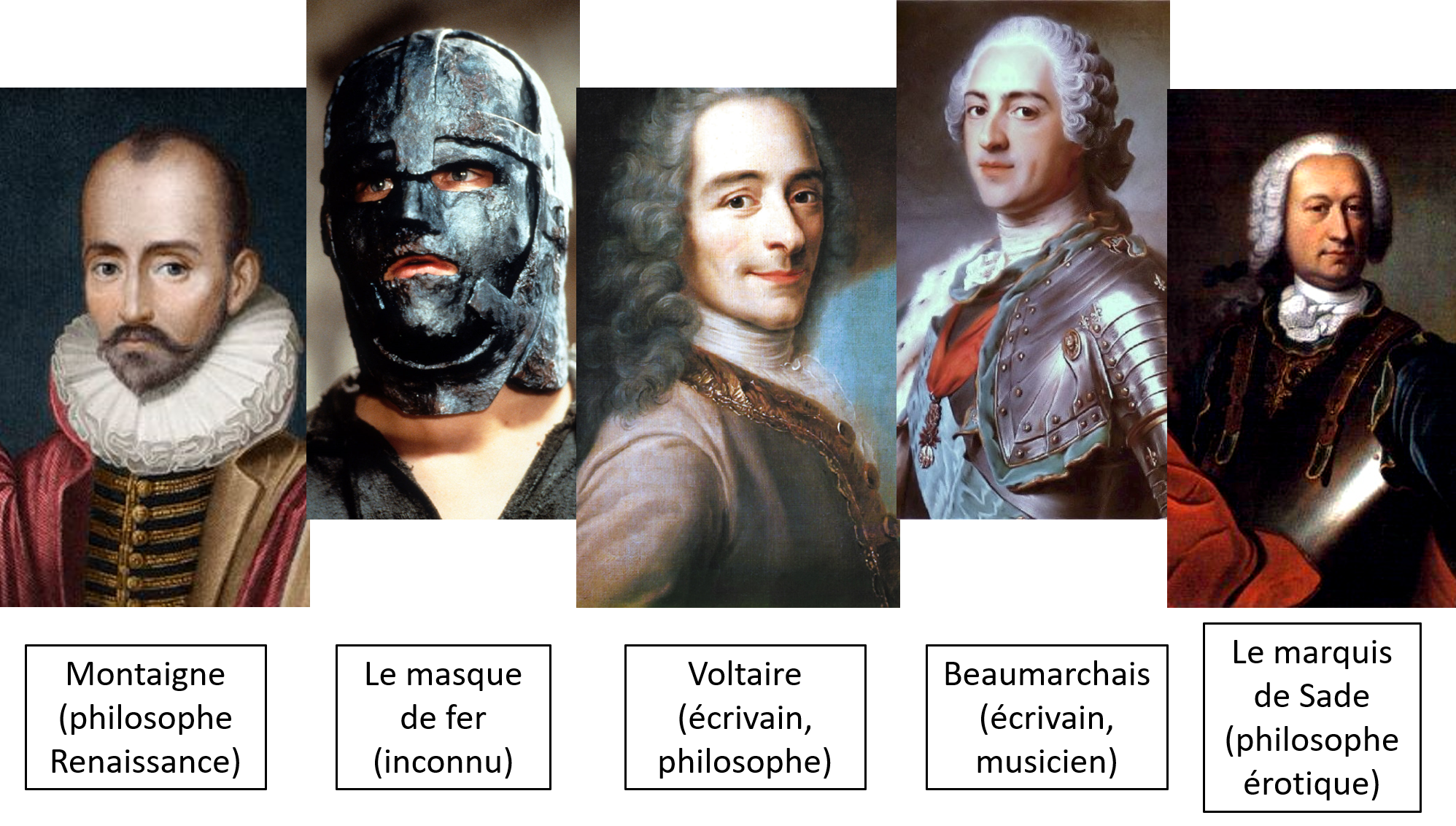
Famous inmates included Voltaire, Montaigne, the Marquis de Sade, and even the legendary Man in the Iron Mask.
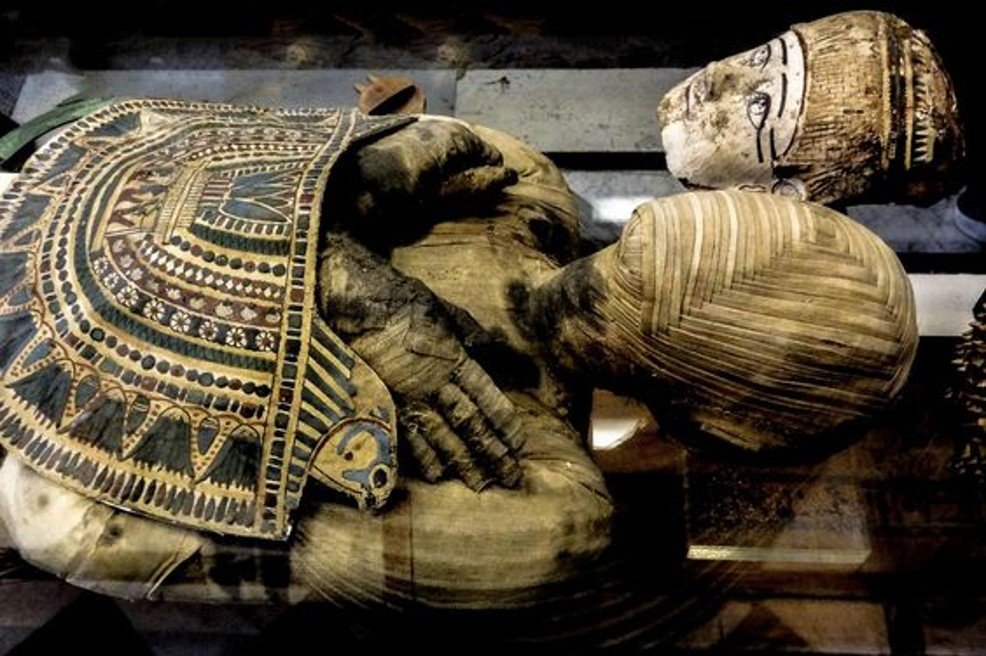
Under the column you see in the center of the square, built to honor those who died during the July Revolution of 1830, lie the remains of around 500 insurgents. But here’s a strange twist: there are also Egyptian mummies buried beneath your feet, accidentally placed there after Bonaparte's Egyptian campaign. So yes, this might be the most unusual and historic tombstone in all of Paris.

Opera National de Paris
-
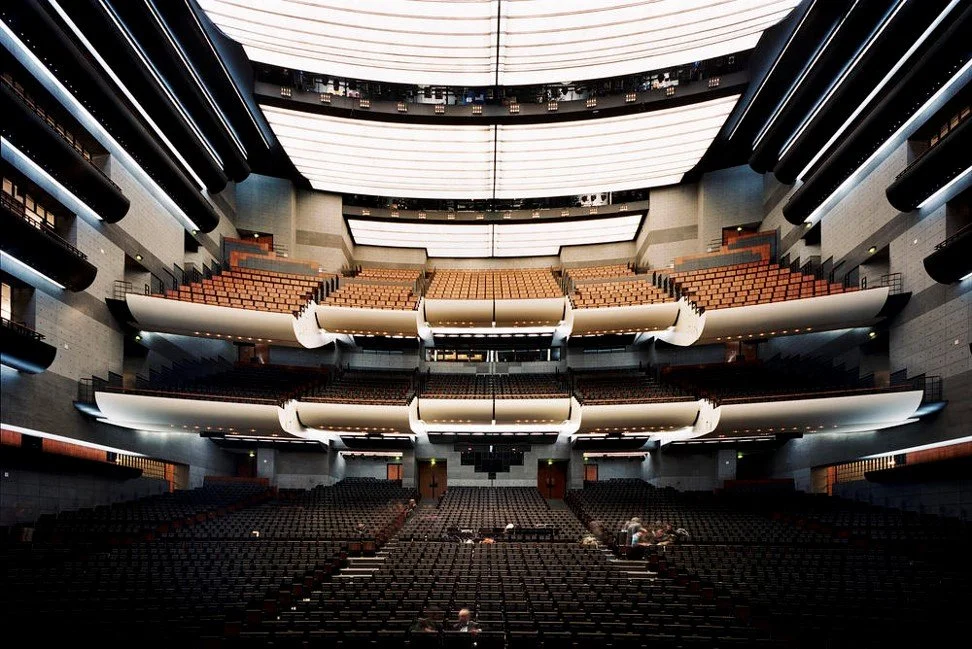
Now look over here, the massive glass-and-steel structure rising before you is the Opéra Bastille, one of the largest and most technically advanced opera houses in the world. It’s not just a concert hall, it’s a cathedral of the performing arts, born from the ambitious 'Grands Travaux' launched by President François Mitterrand in the 1980s.
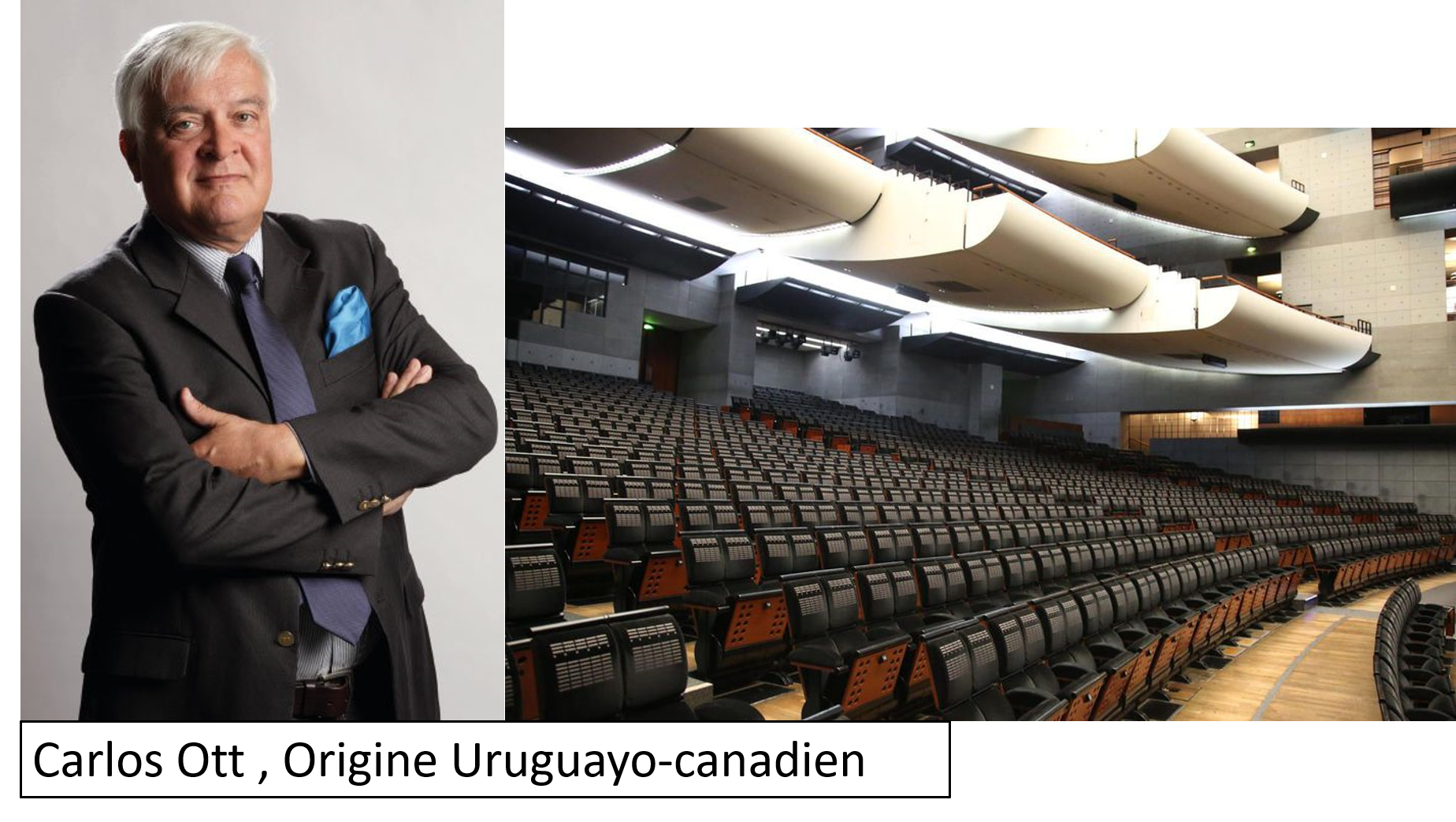
When the international design competition was launched, no fewer than 750 architects submitted their ideas. The winner? A total unknown at the time, Carlos Ott, a young Uruguayan-Canadian architect. Quite a surprise, but what a legacy!
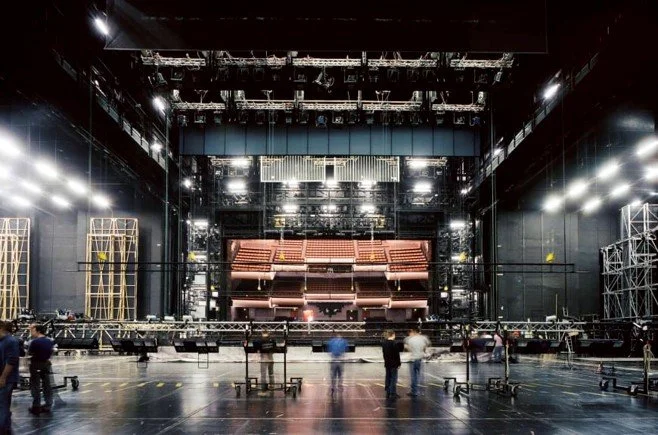
Construction took seven years of political struggle, engineering challenges, and architectural ambition. Today, it holds 2,745 seats and boasts the largest opera stage in Europe, a massive 750 m², surrounded by side and back stages of similar size. In fact, the visible stage only represents 5% of the entire building. Hidden underneath is what they call “the underworld”, another full-sized stage 25 meters below ground, deeper than the Paris metro and even below the level of the Seine.
Oh, and here’s a fun fact: someone once calculated that building this opera house cost about €2 per kilo, so technically, cheaper than cheese.
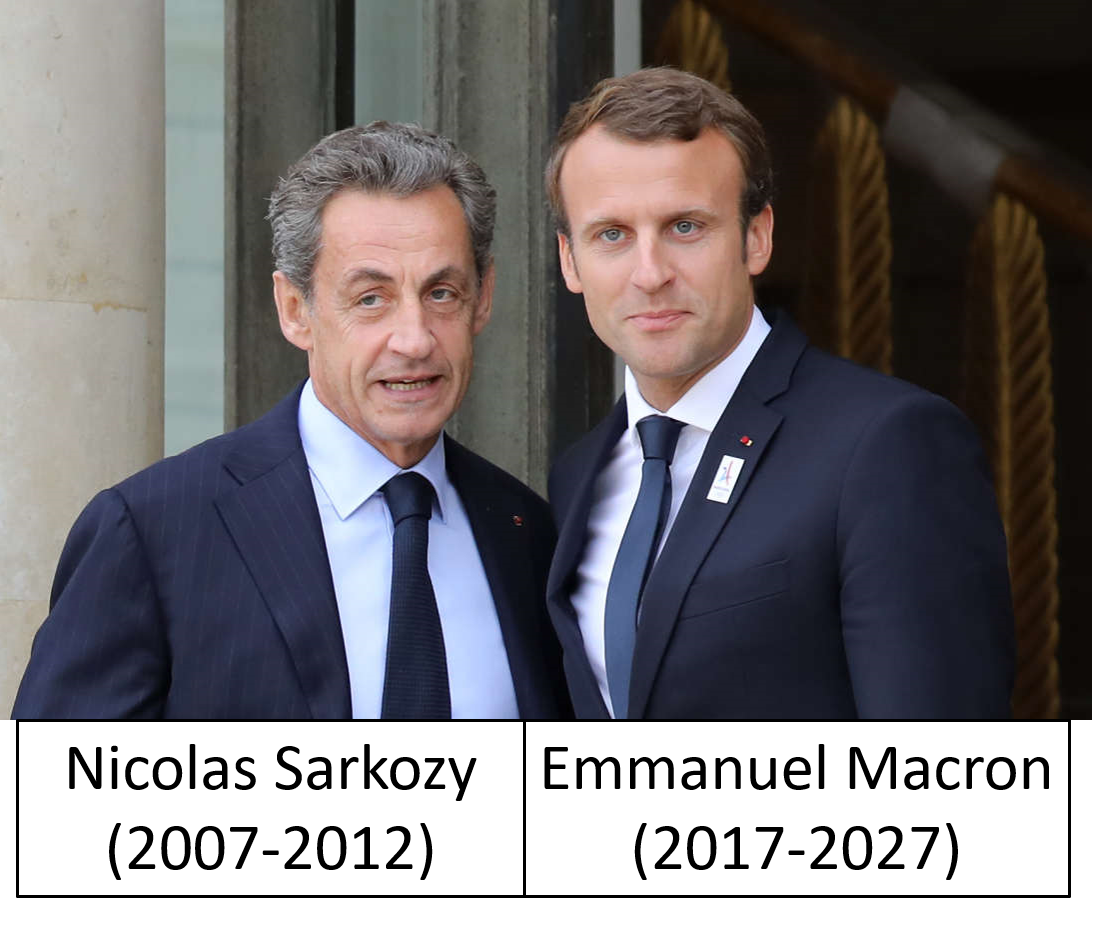
Despite its grandeur, many French Presidents have shunned it, Chirac, Sarkozy, Hollande, and Macron never officially set foot inside.
With 10,000 m² of space and 45 meters in height, it’s a Guinness World Record-holder. Whether you love opera or not, the engineering and cultural impact of this place is truly breathtaking.

Port de l’Arsenal
-
Welcome to the Port de l’Arsenal, one of the most charming and unexpected spots in central Paris.
Originally built in the early 19th century over the old moats of the medieval wall of Charles V, this port was first used for cargo shipping. It wasn’t until 1983 that it became the leisure marina we see today, a calm oasis right at the foot of the Place de la Bastille.
But why is it called the 'Port de l’Arsenal'? That’s because this area used to house an arsenal, a place where weapons and ammunition were stored from the 16th to the 19th century.
Today, it welcomes around 1,500 boats every year from over 26 countries. With its 180 moorings, it's now the main docking area in Paris for passing vessels. Half the boats here are docked year-round.
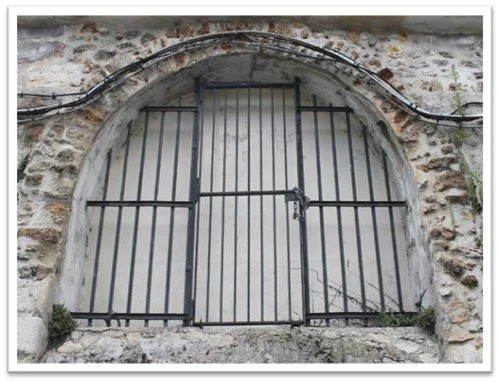
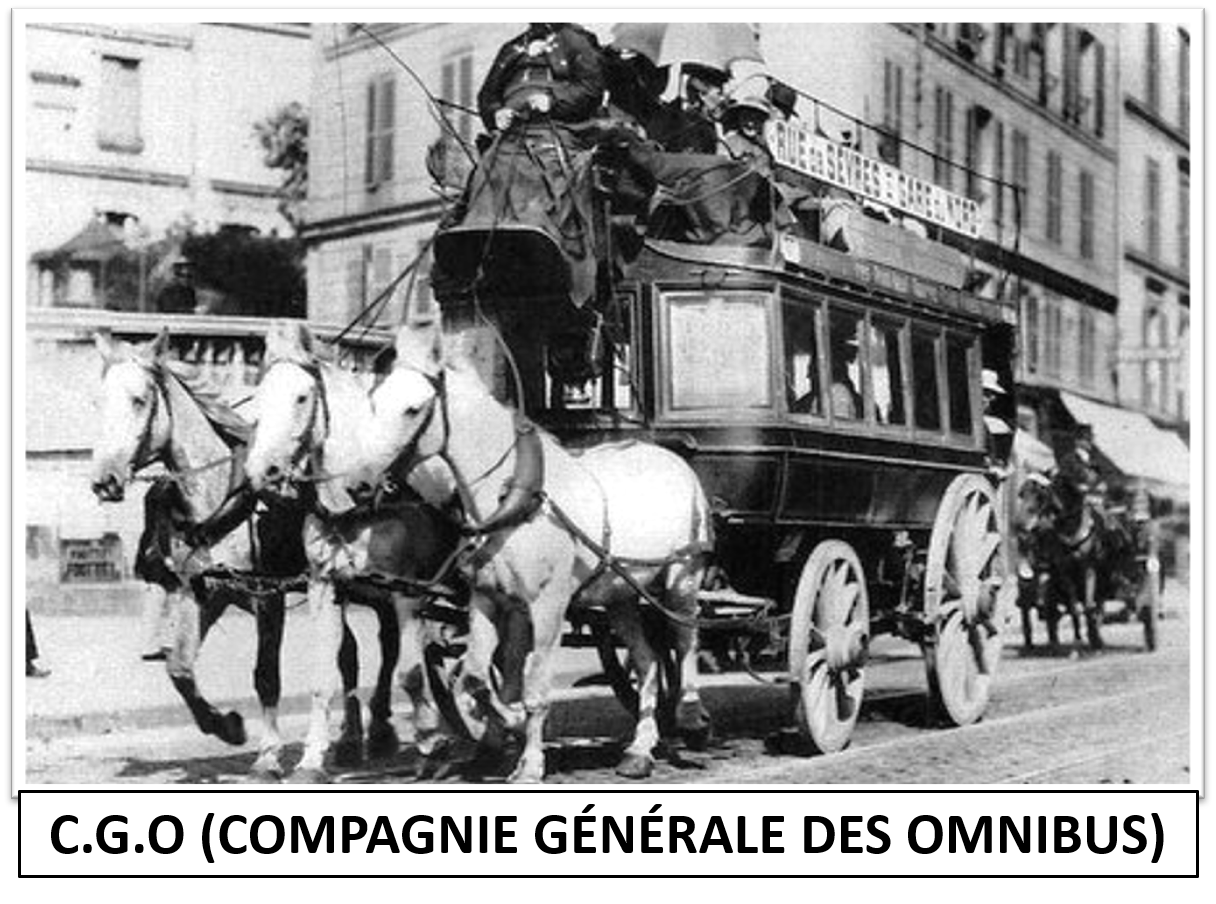
And here’s a fun bit of history: in 1889, this spot also played a role in Paris's public transport. The famous Compagnie Générale des Omnibus operated horse-drawn carriages and had a depot nearby with over 1,000 horses. Their clever system? They built a tunnel from the depot to the Arsenal port, using it to dump and sell the manure as fertilizer! You can still see the sealed-up tunnel opening on the quay wall, near Boulevard Bourdon.
Rue Crémieux
-
You’ve probably seen it all over Instagram, a rainbow row of pastel-colored houses that looks more like a movie set than a real Parisian street.
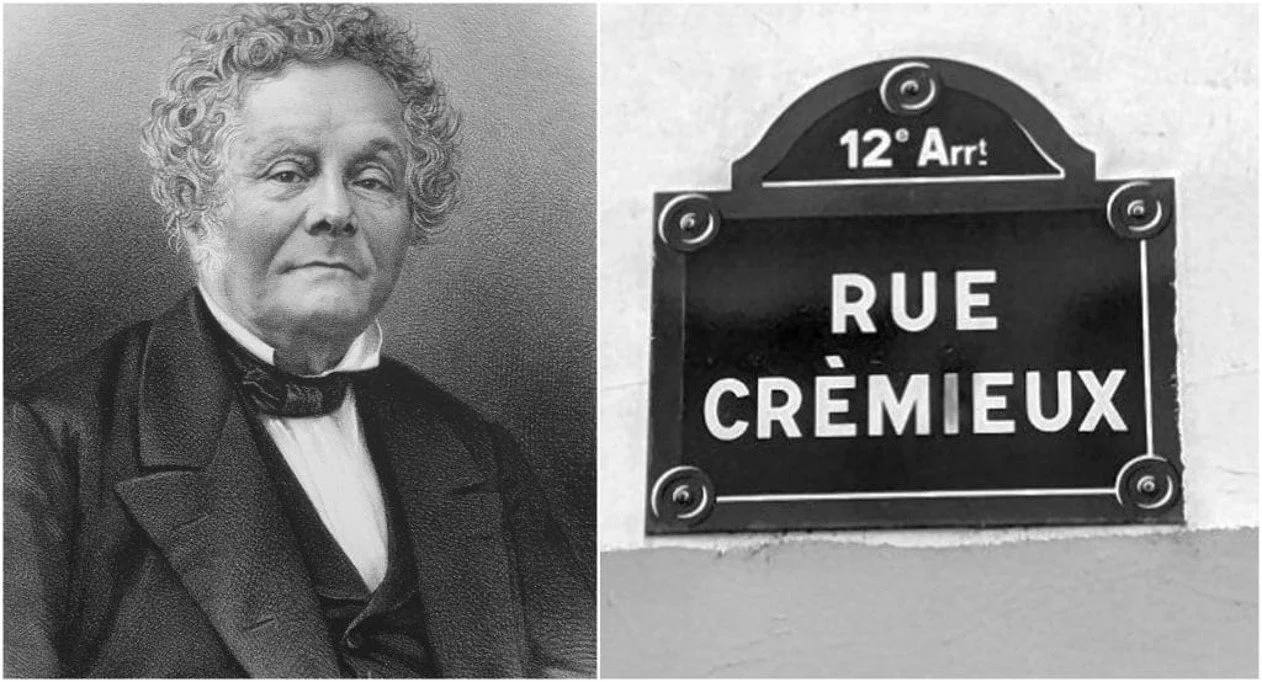
But don’t be fooled by its charm, this cobblestone street has stories to tell. It was built in 1865, on what used to be the site of Paris’s National Arenas. The name ‘Crémieux’ comes from Adolphe Crémieux, a 19th-century lawyer and politician known for a groundbreaking 1870 decree that granted French citizenship to 37,000 Algerian Jews.
As you wander, look for a small ceramic plaque on the wall, it marks the terrifying flood of 1910, when the Seine River rose to 1.75 meters high right here in the street. It was so bad that the famous Zouave statue on the Alma Bridge had water up to its shoulders.
These days, the biggest flood risk is... selfie-stick traffic. So take your time, enjoy the colors, but maybe spare a thought for the poor locals who live here year-round and dodge influencers on a daily basis!