Thank you for Your Purchase !
We hope you will enjoy it !
A Latin in Lutetia
Welcome to your journey through time and history in the heart of Paris!
We begin our visit at the former Royal Garden, originally created to train future doctors and apothecaries. Today, it’s home to nearly 8,500 plant species and the oldest metal structure in Paris — can you spot it?
Just a few steps away, get ready to travel across eras! Be transported to Moorish times as you admire the emerald tiles of the stunning Grand Mosque of Paris. Then, take a leap back to ancient Roman times as you walk through the legendary Arènes de Lutèce, once the stage of fierce gladiator combats.
As we continue, you’ll feel the intellectual and medieval soul of the city come alive in the narrow, lively streets of the Latin Quarter — a place where history whispers from every stone.
And to end our journey, we’ll head to the iconic Notre-Dame Cathedral on the Île de la Cité. Along the way, I’ll share with you some fascinating stories and hidden details from the charming streets of the Latin Quarter.
Ready? Let’s dive into the timeless beauty of Paris!
Let’s begin our adventure!
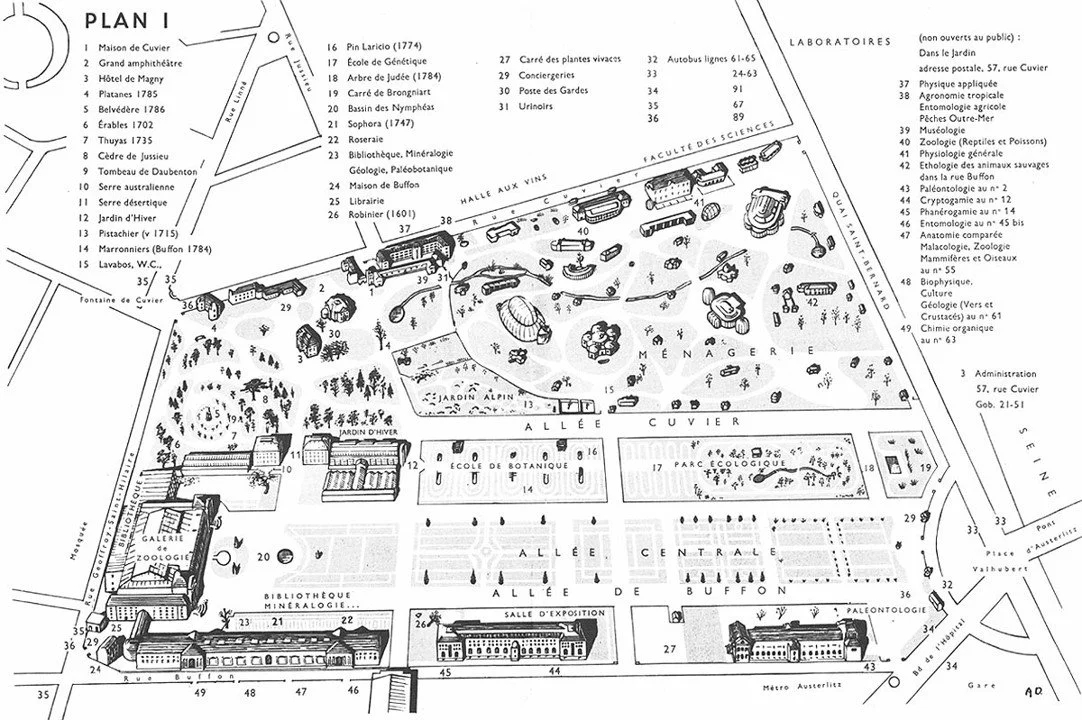
Your journey starts here : at 2 Place Valhubert, 75005 Paris, right at the entrance of the magnificent Jardin des Plantes, as shown on the map beside you.
When you're ready, we’ll take our first steps into history!
2 Place Valhubert, 75005 Paris
Jardin des Plantes - Plants Garden
-
🎙️Welcome to the Jardin des Plantes — where science, history, and nature bloom together!
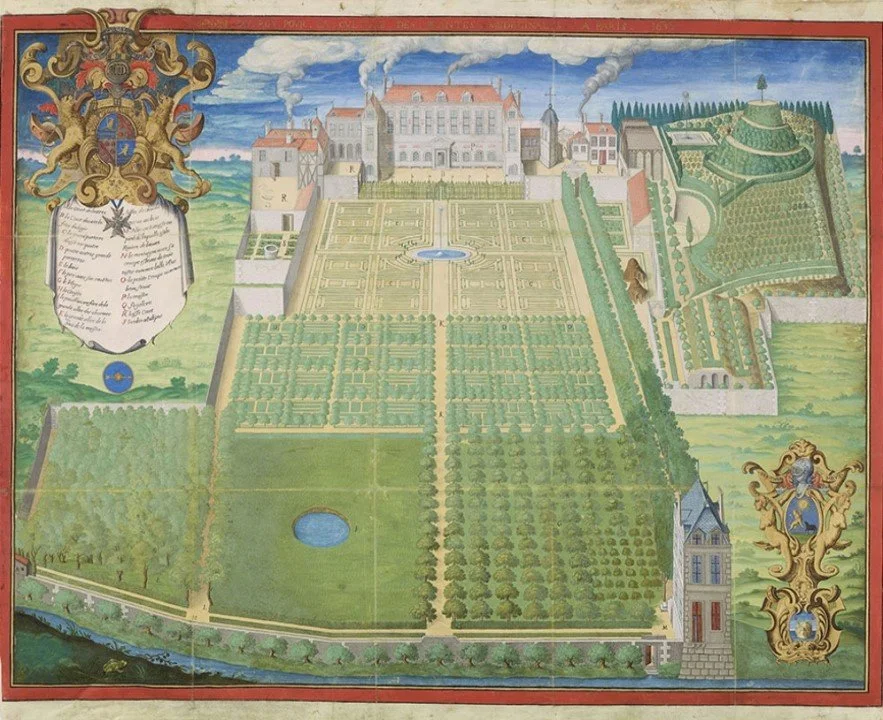
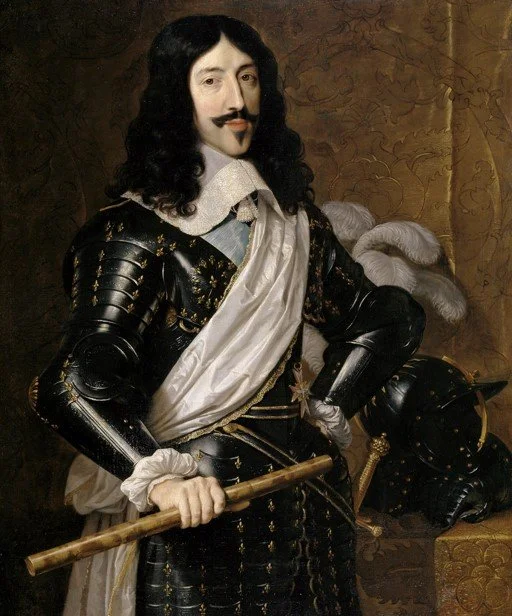
Founded in 1793, this botanical garden continues the legacy of the Royal Garden of Medicinal Plants, established back in 1626 by King Louis XIII. That makes it one of the oldest institutions of its kind in the world!
Now, let me introduce you to one of the garden’s superstar directors: Georges-Louis Leclerc, Comte de Buffon. In the 18th century, this brilliant naturalist expanded the garden dramatically — even dipping into his own pocket to fund the work. Thanks to his dedication, the Jardin des Plantes became one of Europe’s most important scientific centers of the time. Not bad for a garden, right?
Fun fact! The river Bièvre once flowed right through this site. Its name comes from the Latin bever, meaning beaver — because yes, there were once plenty of beavers splashing around here!
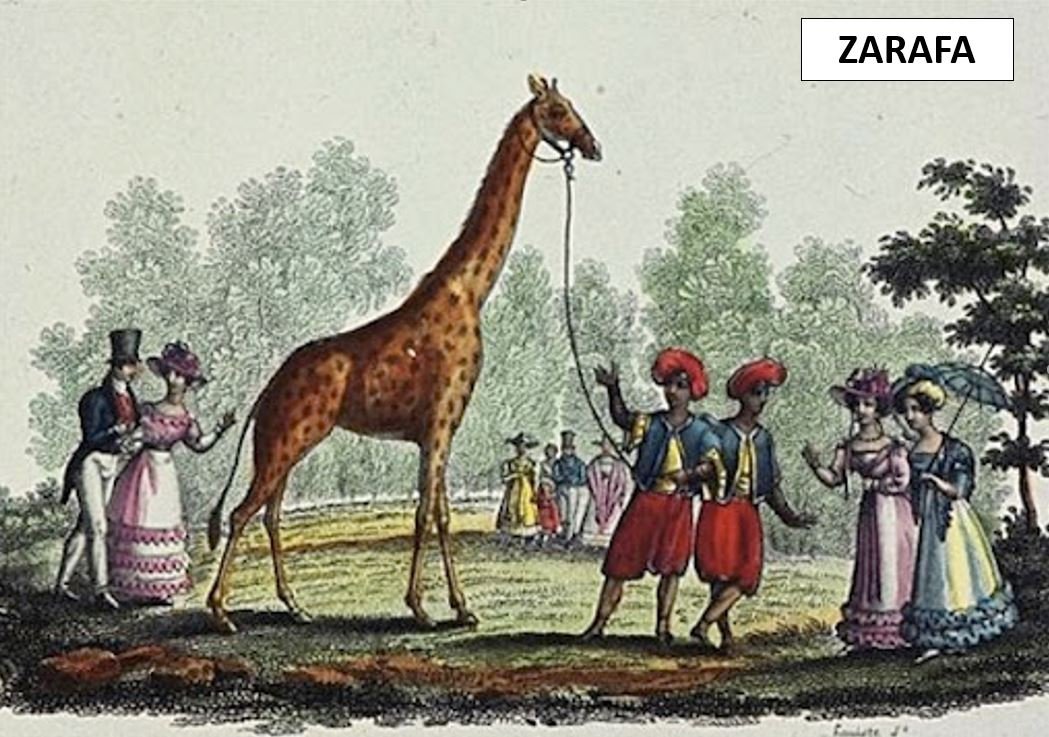
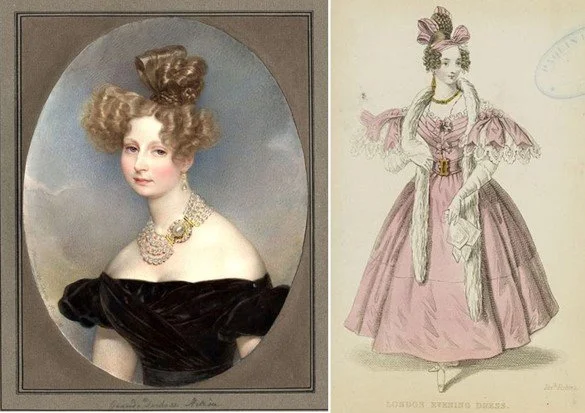
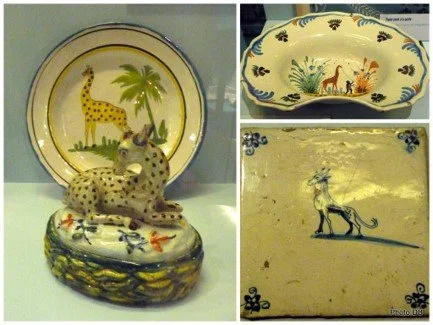
As you stroll through the grounds, you’ll notice a charming blend of French and English garden styles. And don’t miss the Ménagerie, tucked inside — it’s the second-oldest zoo in the world! Over the years, it’s welcomed all sorts of creatures, including France’s very first giraffe, Zarafa, in 1827. She was such a sensation that in just six months, over 600,000 visitors came to see her! She even sparked a full-on giraffe craze — think giraffe-themed wallpaper, fashion accessories… even a hairstyle called à la girafe! Zarafa lived here for 18 years, and she left quite a legacy.
Another heartwarming tale: A few decades ago at Roissy airport, two young orangutans escaped from their transport crate. They were rescued and brought here, to the Ménagerie. The veterinary team — Marie-Claude and Gérard — gently cared for them, while trying not to tame them too much. Three years later, Gérard personally escorted one of them, Ralfone, back to her wild home in Borneo, where she returned to the forest. A true wildlife comeback story!
And there’s more to explore — so much more! You’ve got:
The Grande Galerie de l’Évolution, with its majestic parade of animals,
Research buildings still active today,
Five grand greenhouses,
An alpine garden,
The zoo,
The Gallery of Paleontology and Comparative Anatomy,
The Gallery of Botany,
And the dazzling Gallery of Mineralogy and Geology.
Oh — and beneath your feet? There are underground tunnels and laboratories! Scientists once worked down there, but they were abandoned in 1910 after the great Seine flood.
So take your time, look around, and let the Jardin des Plantes reveal its secrets. This isn’t just a park — it’s a living museum, a scientific lab, and a leafy retreat all in one.
Ready to keep going? Let’s head toward our next stop!
-
Welcome to one of Paris’s greatest treasure troves, the Museum national d’Histoire naturelle!
This isn’t just a museum. It’s a powerhouse of scientific research, education, and public outreach a place where the wonders of the natural world are studied, preserved, and shared with everyone, from curious kids to top-tier researchers.
The numbers alone are jaw-dropping:
This institution manages around 67 million specimens, yes, million ! That includes over 2.7 million fossils, alongside minerals, plants, animals, and even living species across 12 sites in Paris and beyond.Behind the scenes? Over 2,200 staff members, including 500 researchers, are hard at work every day, discovering new species, protecting biodiversity, and inspiring future generations.
Its mission? Pretty simple, but pretty epic:
Preserve the world’s natural heritage,
Study and teach about it,
And share it with the public in ways that wow.
Oh, and if you’re here between November and January, you're in for a treat, the Museum hosts its famous Festival of Lights, where the gardens come alive at night with spectacular luminous animals. Trust me : it’s pure magic.


Grande Mosquée de Paris - Great Mosque of Paris
-
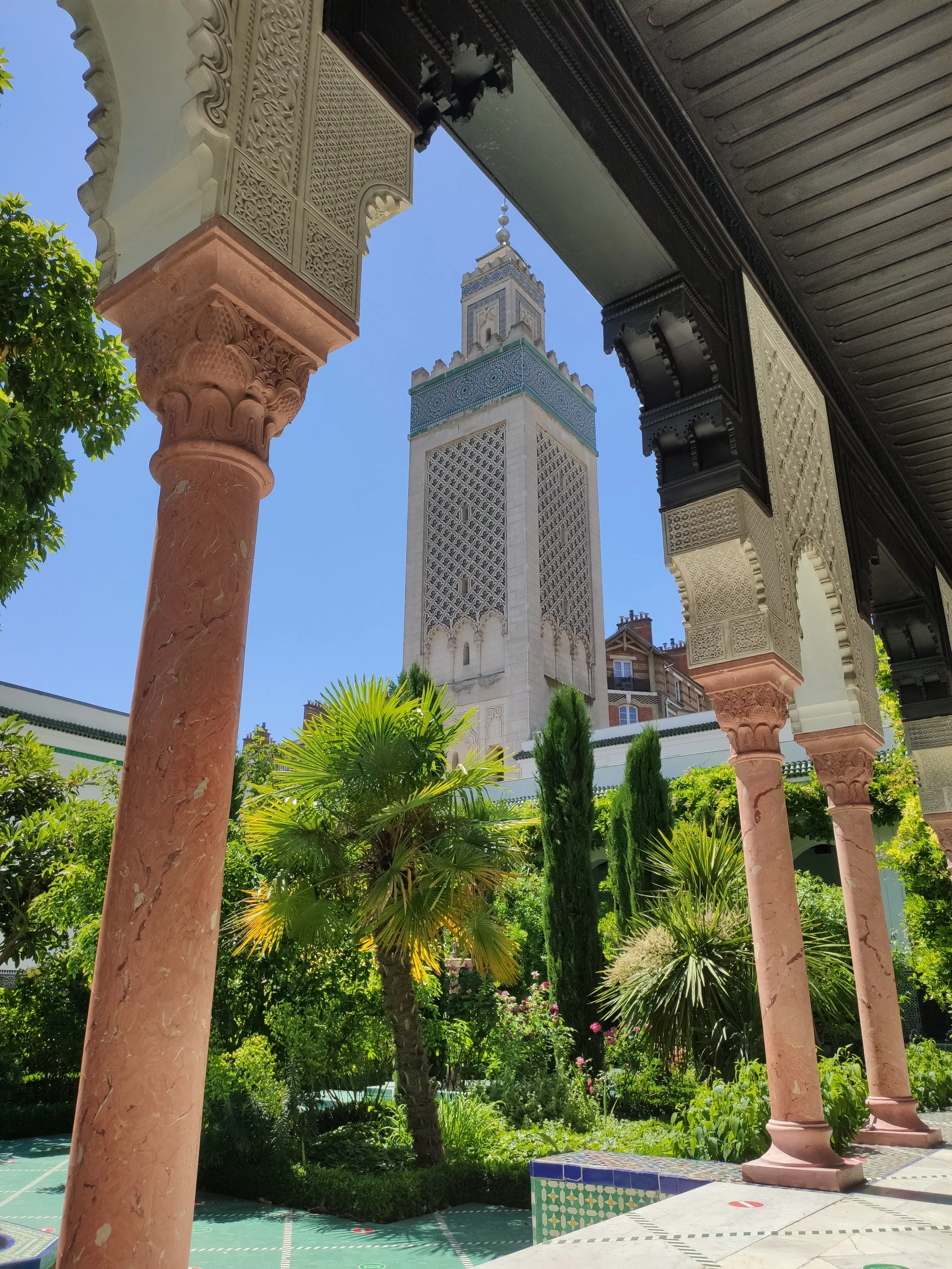
Welcome to the Grande Mosquée de Paris, the most famous and oldest mosque in France!
A word of practical advice before we dive in: the mosque is closed to visitors on Fridays, as it is reserved for prayer. So if today is Friday... well, we’ll just admire it from the outside!
The mosque was officially inaugurated on July 15, 1926, with the Sultan of Morocco in attendance. It was built as a tribute a solemn gift from the city of Paris to honor the thousands of Muslim soldiers who died fighting for France during World War I.
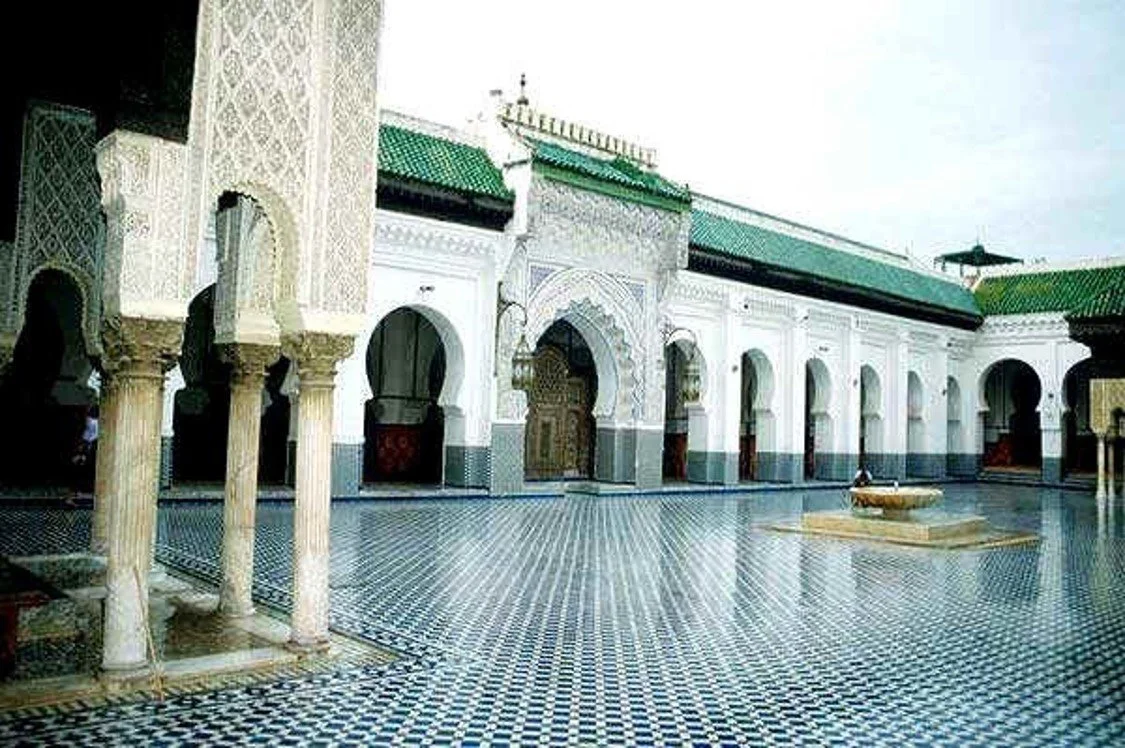
As you step inside, or even just peek through the doors, you’ll notice its Hispano-Moorish architecture, inspired by some of the most beautiful mosques of Andalusia. The minaret, rising 33 meters high, is visible from far across the neighborhood.
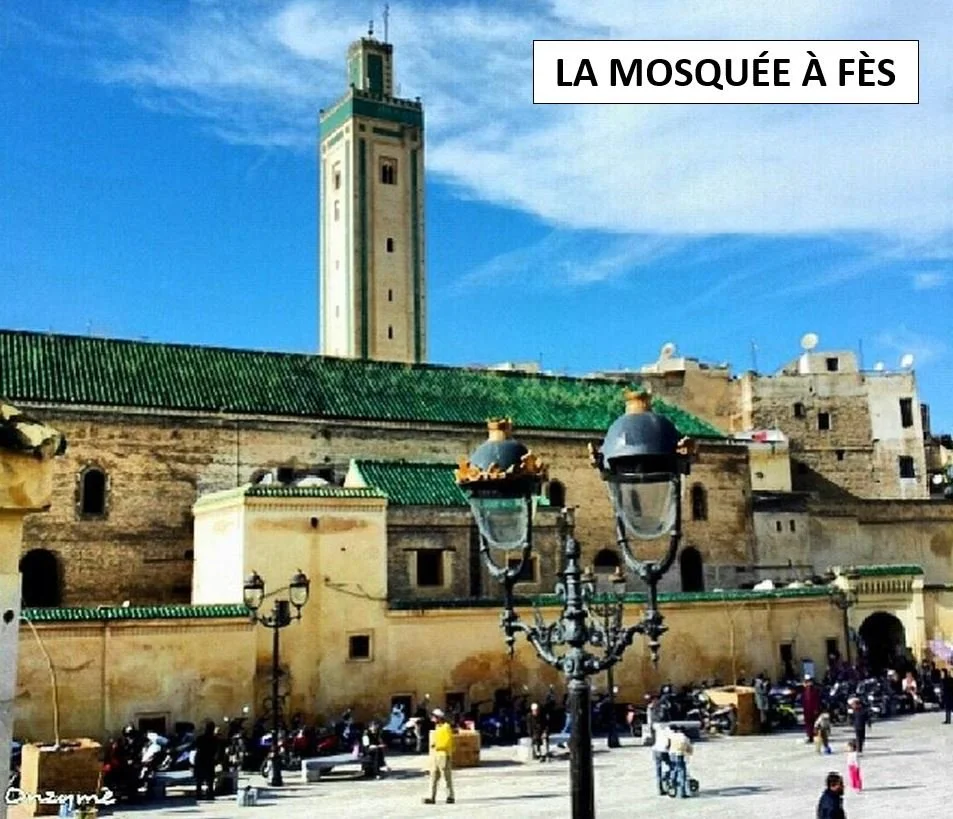
The mosque was also inspired by the famous mosque in Fez, Morocco, one of the oldest and most important in the Islamic world.
Take a moment to appreciate the tranquil gardens, complete with fountains, archways, and five palm trees, each one symbolizing one of the five pillars of Islam:
The Shahada – the declaration of faith,
Zakat – charitable giving,
The pilgrimage to Mecca,
Fasting during Ramadan,
And prayer, performed five times a day.
Don’t miss the magnificent cedar wood door, hand-carved by Moroccan artisans and beautifully decorated with Qur’anic verses in Kufic calligraphy. It’s a true masterpiece of craftsmanship and faith.
Gladiator Arena of Lutetia
-
Welcome to the 5th arrondissement of Paris, one of the city’s most ancient and storied neighborhoods.
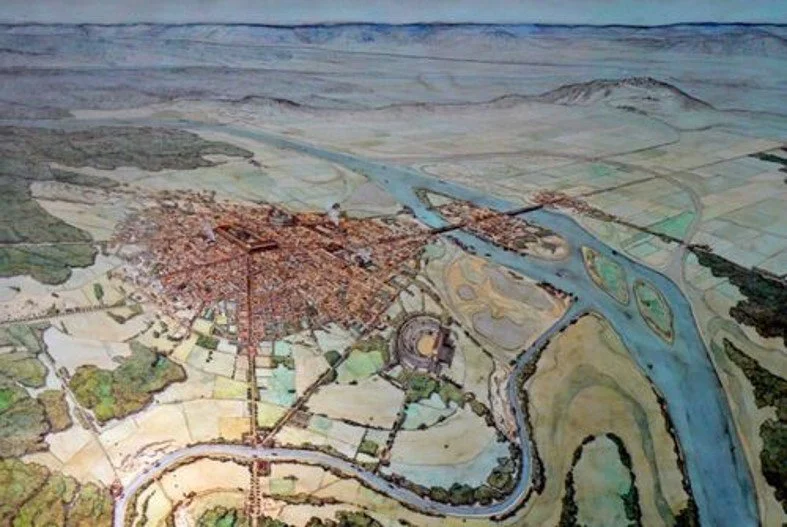
You’re walking on truly historic ground here. This district is the cradle of Paris, it’s around the Montagne Sainte-Geneviève and Île de la Cité that Lutetia, the Roman ancestor of Paris, was born over 2,000 years ago. Later, during the Middle Ages, this same area blossomed once again as the intellectual heart of the city, with the rise of the Latin Quarter and its universities.
So yes, the 5th isn’t just another charming Parisian neighborhood… it’s where it all began.
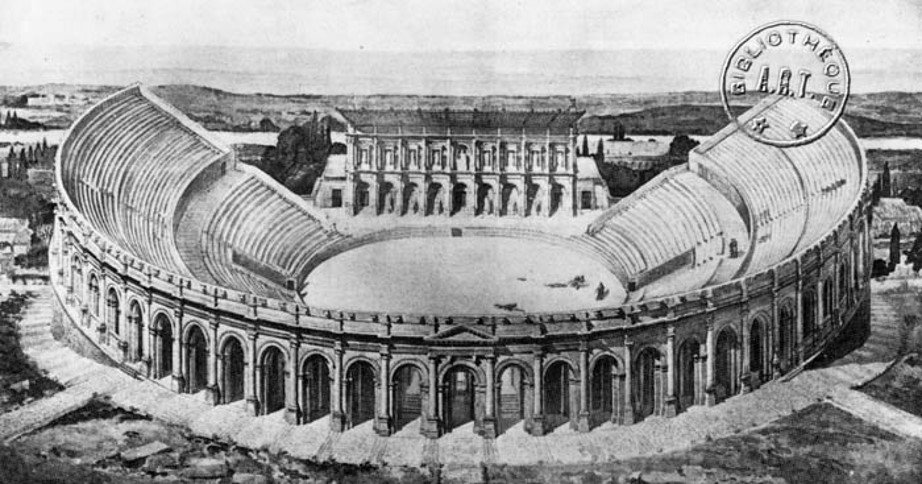
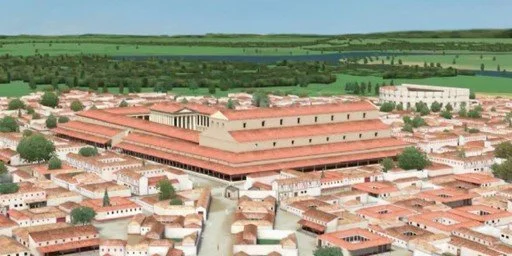
Now let’s step even further back in time… Welcome to the Arènes de Lutèce, the oldest monument in Paris!
Built in the 2nd century AD, this Roman amphitheater could hold up to 17,000 spectators, pretty impressive, even by today’s standards. It hosted gladiator fights, theatrical performances, and maybe a bit of ancient Parisian drama too!
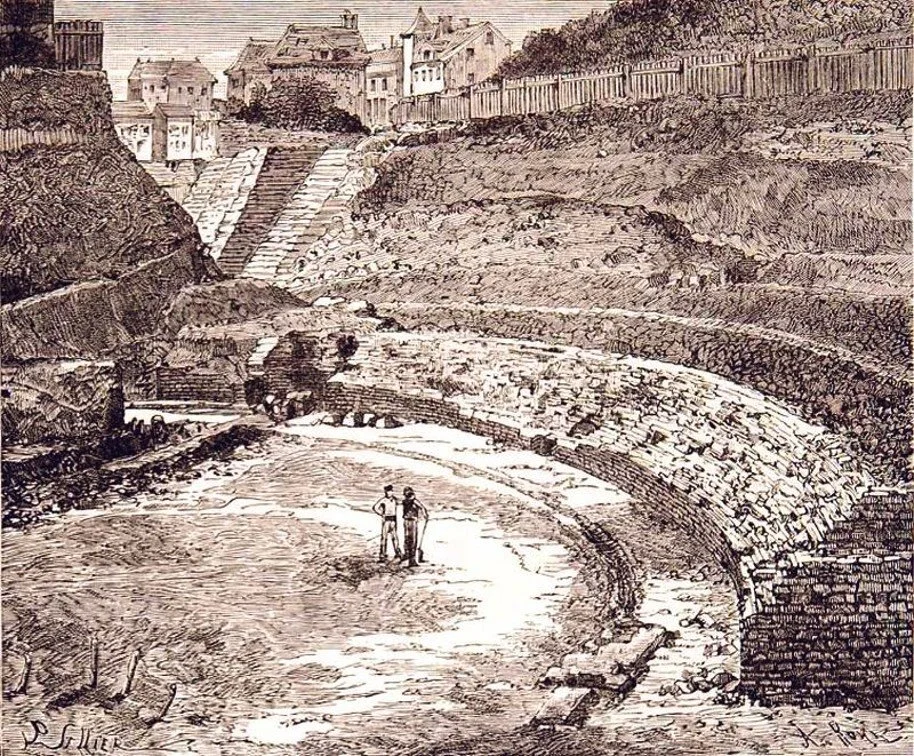
But in 285 AD, the Lutetians began dismantling the arena, using its stones to build a defensive wall around the Île de la Cité, to protect against barbarian invasions. The arena was buried over time and forgotten, hidden under 20 meters of earth !
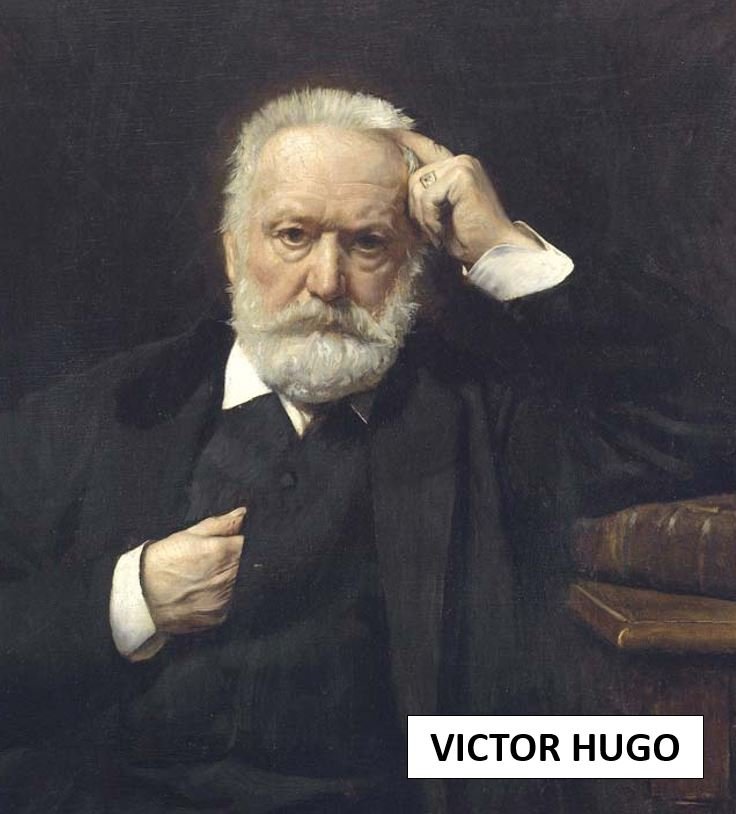
It wasn’t until 1885, thanks to the outcry of none other than Victor Hugo, that the site was excavated. Restoration took decades, finally wrapping up in 1918. And during the dig, they even found the skeleton of a 2.10-meter-tall giant! A true gladiator, perhaps?
Here’s a fun twist: back in Roman times, people owned their seats at the arena. Not rented, owned! And you can still see some of their names carved into the stone today:
Terricus, Marcellus, Verus, classic Roman names. But there are others, too: Solimarus, Serdus, Lugiola, names with deep Gallic roots. It’s a beautiful blend of cultures that shaped ancient Paris.Now… ready to leave ancient Rome and step back into the medieval world ?
Rue Clovis & Philippe Auguste Enclosure
-
Let’s take a moment to step into the world of medieval Paris…
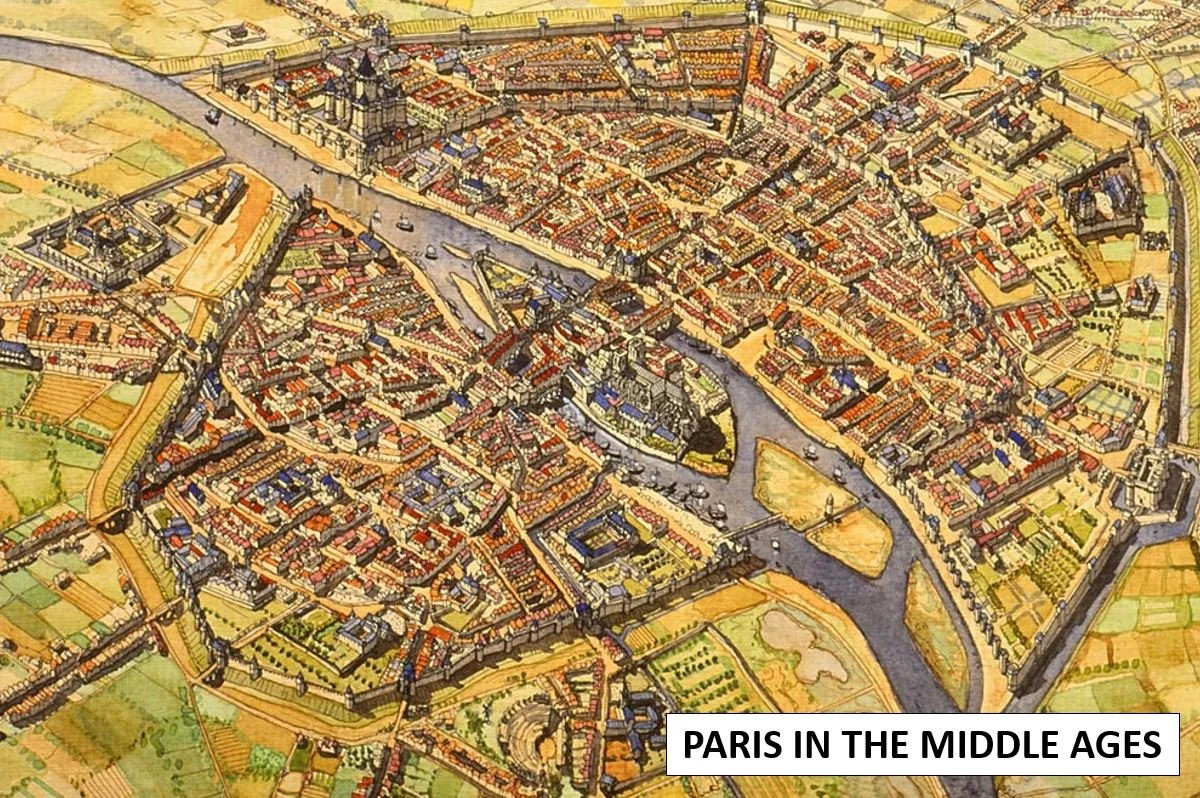
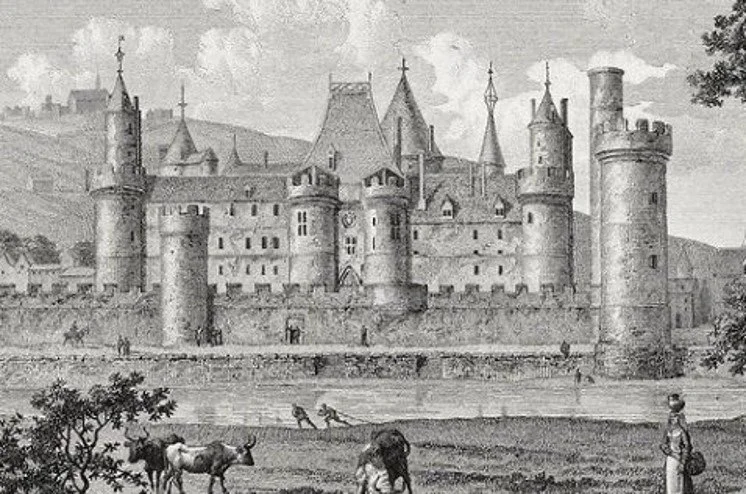
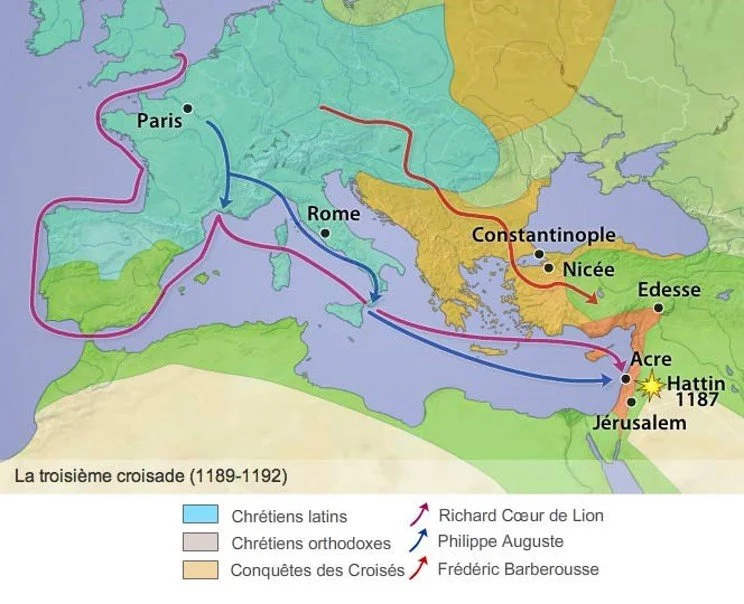
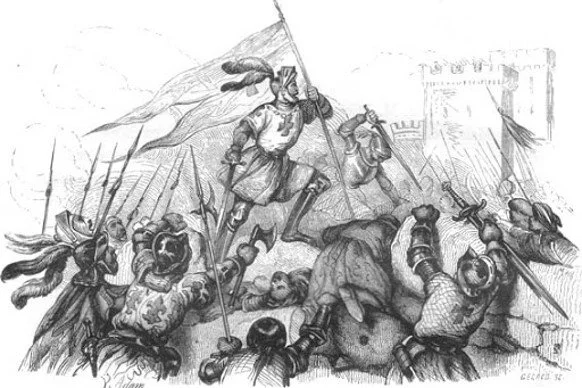
In the late 12th century, just before heading off on the Third Crusade, King Philippe Auguste was deeply concerned about the threat of an English invasion. Remember, at that time, England still held large parts of western France including Normandy.
So what did the king do before sailing off to the Holy Land?
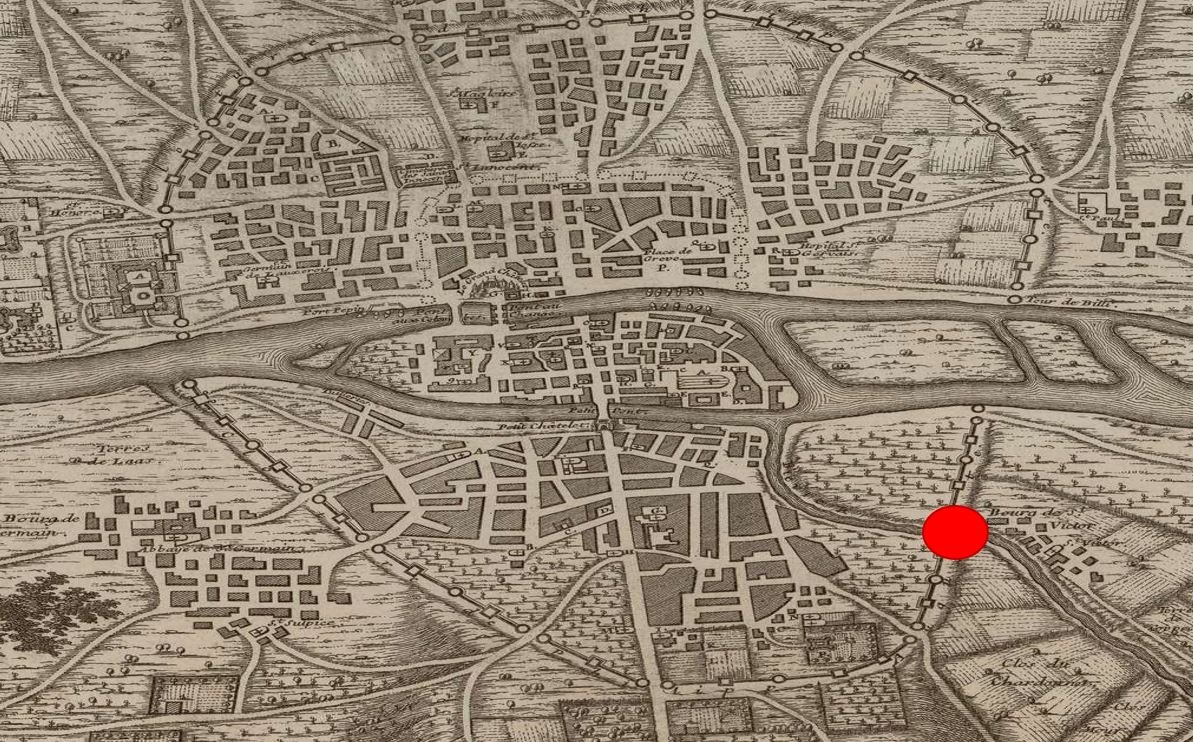
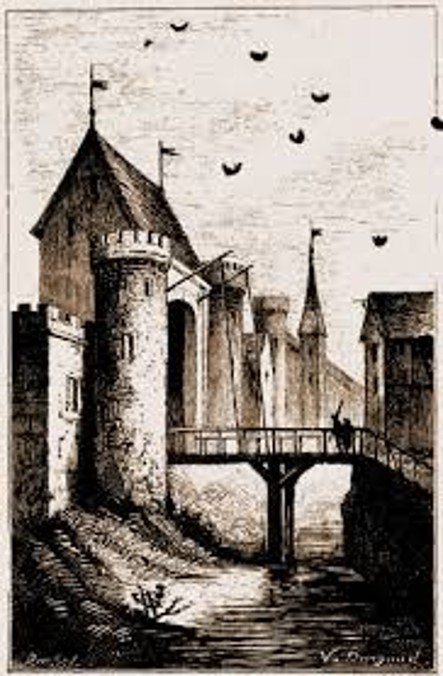
He decided to fortify Paris.Beginning in 1190, Philippe Auguste launched the construction of a massive stone wall to protect the city during his absence. The project unfolded in two phases:
The Right Bank, more exposed to attacks from the northwest, was built first between 1190 and 1209.
The Left Bank, considered less urgent, was completed by 1215.
The wall stretched across what are today the 1st, 4th, 5th, and 6th arrondissements, with a total length of 5,100 meters, dotted with 77 towers and 15 gates.
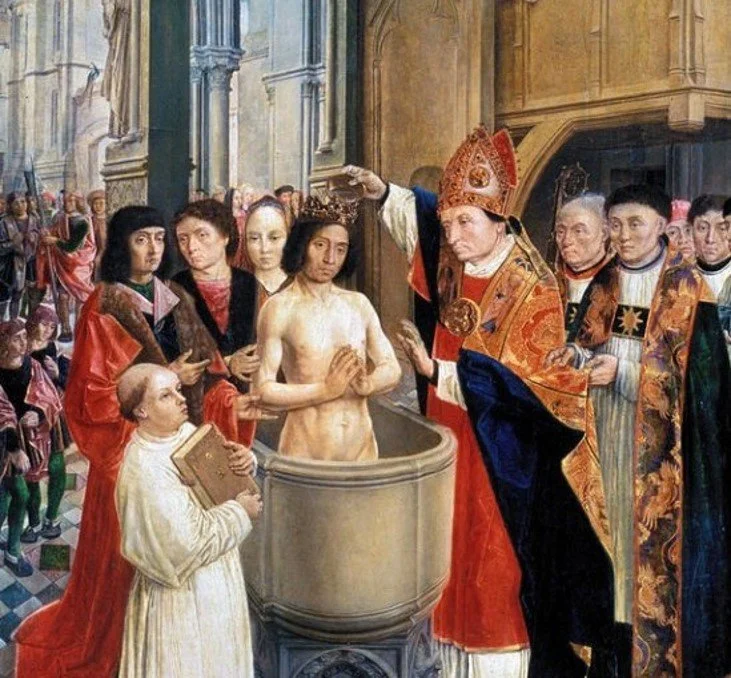
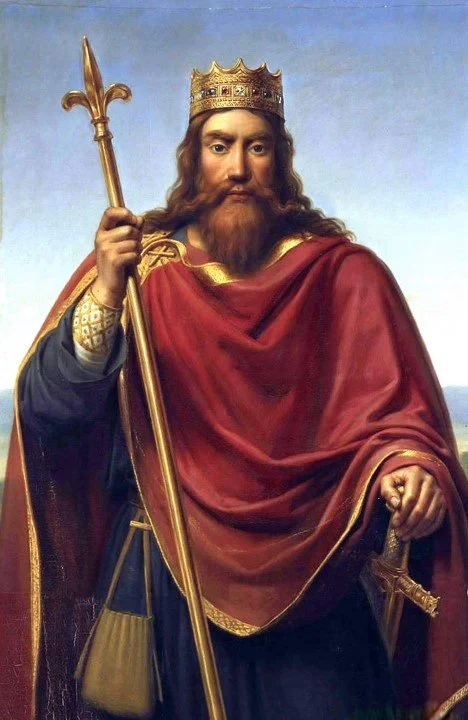
And believe it or not parts of the Philippe Auguste wall still stand today, tucked between modern buildings, quietly watching over the centuries.Now let’s walk a few steps to the Rue Clovis, named after Clovis I, the first king of all the Franks.
Born around 466 and dying in Paris in 511, Clovis united the Frankish tribes and became the first Catholic king in Western Europe, while other rulers at the time, the Visigoths, Burgundians, and Ostrogoths, followed Arian Christianity.
Clovis chose Paris as his capital, and legend has it that his tomb was discovered nearby, at the old Sainte-Geneviève Church. That’s why this street, opened in 1807, carries his name.
A king, a wall, and a city taking shape, pretty epic foundations for the Paris we know today !
High School Henri IV
23 Rue Clovis, 75005 Paris
-
Welcome to the legendary Lycée Henri-IV, a name that resonates with excellence in education, not just in Paris, but across all of France.
Ranked #2 in Paris and #2 nationwide among public high schools, with a 100% success rate at the baccalauréat in 2019, this school is a true academic powerhouse. And when we talk about competition, we’re right behind the Jeannine Manuel School, a private, bilingual school in the 15th arrondissement.
But Henri-IV, or “H4” as it’s affectionately known, is more than just a top school, it’s a living monument to French history and intellect.
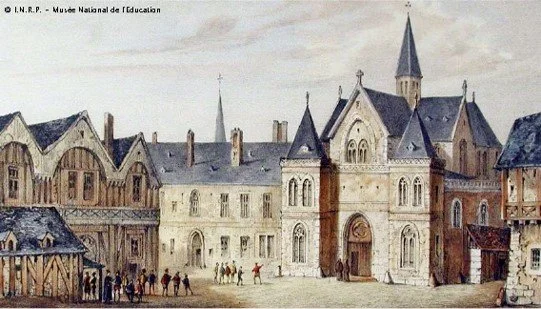
The building itself is nestled in the ancient Abbey of Sainte-Geneviève, a place with over 1,500 years of history! If you look closely, you can still see the Clovis Tower, the last standing remnant of the original abbey.
But what really makes this school legendary? Its alumni.
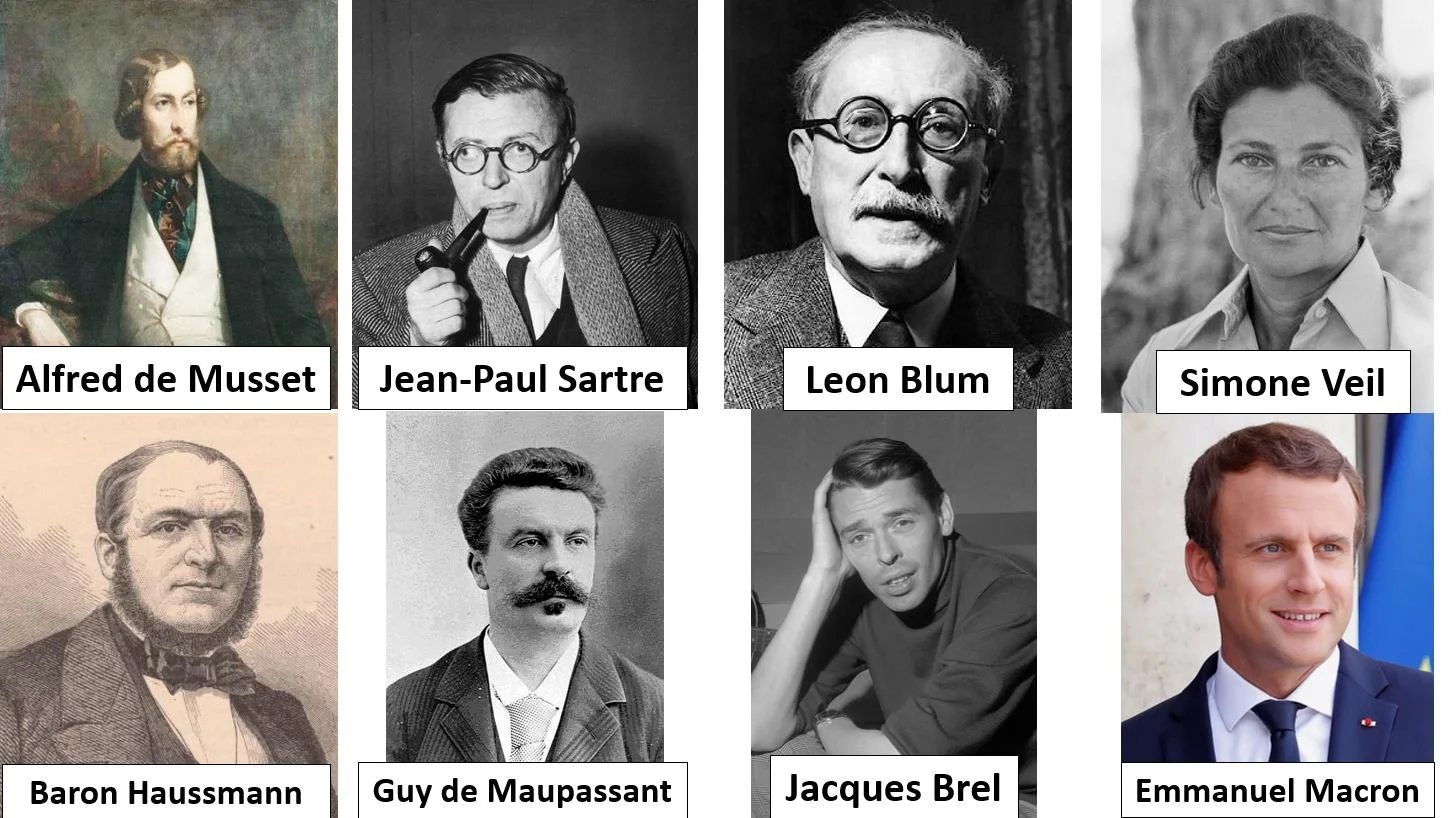
Here’s just a few names from its honor roll of brilliance:
Alfred de Musset, the romantic poet,
Jean-Paul Sartre, the philosopher who shaped modern French thought,
Léon Blum, post-WWII political leader,
Simone Veil, champion of women’s rights,
Baron Haussmann, the man behind the iconic Parisian architecture — you know, those elegant five-story buildings with balconies on the 2nd and 5th floors? That’s him.
Guy de Maupassant, the master of the short story,
Jacques Brel, the legendary singer-songwriter,
And yes, even President Emmanuel Macron walked these halls.
Not bad for a high school, right?
Church Saint-Étienne-du-Mont
-
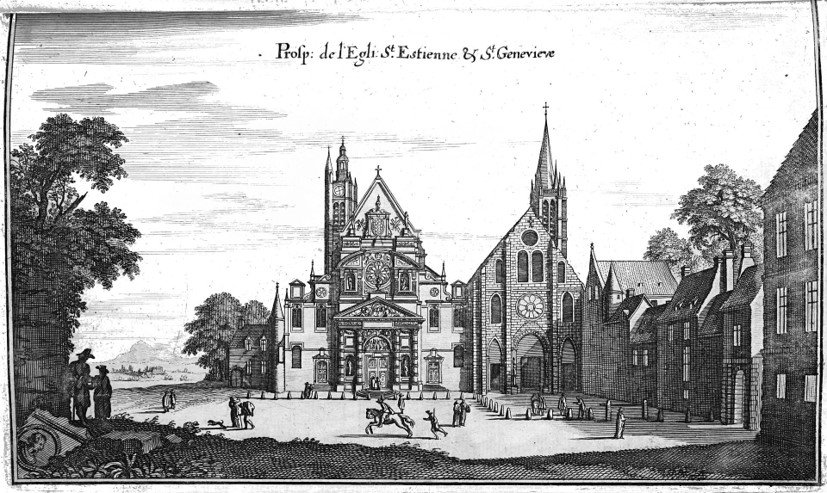
Here we are, in front of what many consider to be one of the most beautiful churches in Paris: Saint-Étienne-du-Mont.
Back in the 13th century, the original church here simply couldn’t handle the crowds of pilgrims flocking to this sacred spot. So, what did they do? They built a new one, right next to it and what a masterpiece it became!
Step inside, and you’ll discover the tomb of Sainte Geneviève, the patron saint of Paris.
Let me tell you her story. Geneviève was a simple shepherd girl from Nanterre, tending sheep on the slopes of Mont Valérien, near today’s Bois de Boulogne. But in 451 AD, when Attila the Hun and his terrifying army reached the gates of Paris after sweeping through Central Europe, Geneviève stood tall.
Inspired by what many believe was divine faith, she rallied the Parisians and convinced them not to flee, but to resist. And it worked. The Huns backed off, stunned by the unshakable will of this young woman. That act of courage would earn her a place in history and in heaven as Paris’s protector.
Clovis, the first king of the Franks, was so moved by Geneviève’s faith (and by his Christian wife, Clotilde) that he converted and when Geneviève passed away in 512, she was buried at the top of this very hill, now known as Montagne Sainte-Geneviève.
And here's a local legend:
When Clovis stood atop this hill, amid the vineyards, he wanted to mark where a church should be built. So what did he do? He threw his axe, some 75 meters forward and declared: "That’s where it shall stand." That’s why Saint-Étienne is so long… or so the story goes!The church took over 200 years to complete, which explains the mix of architectural styles. You’ll see elements of Gothic design, like pointed arches and ribbed vaults, seamlessly blending into Renaissance features. It’s a visual timeline carved in stone.
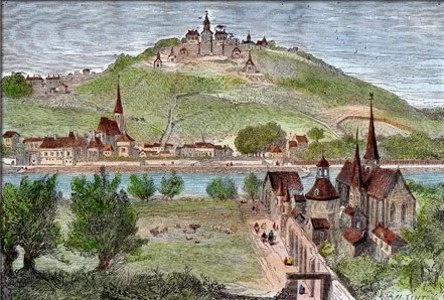
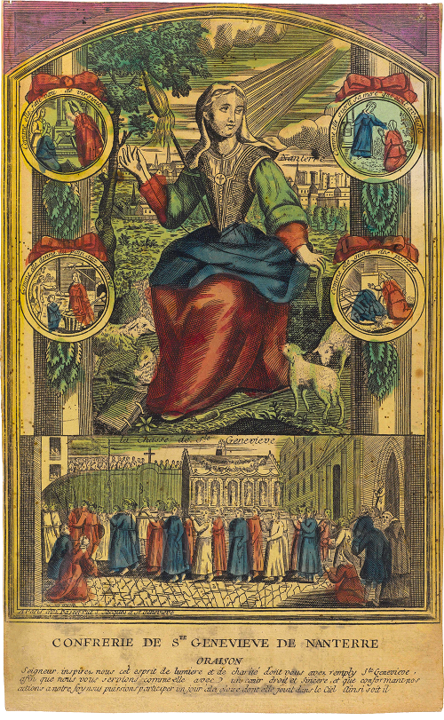
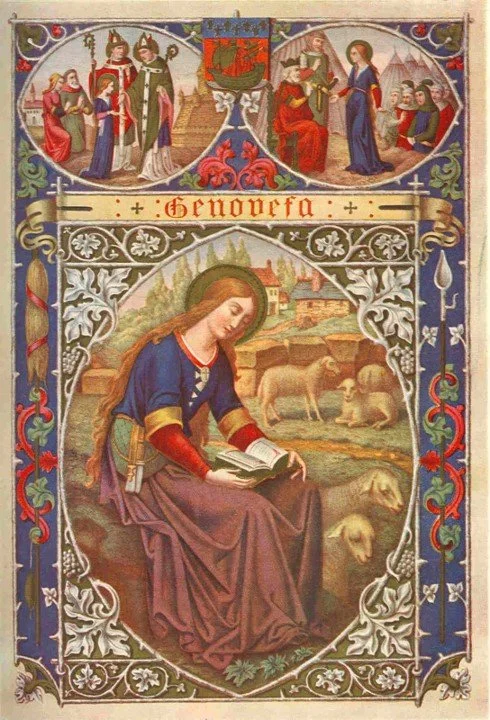
The Pantheon of Paris
-
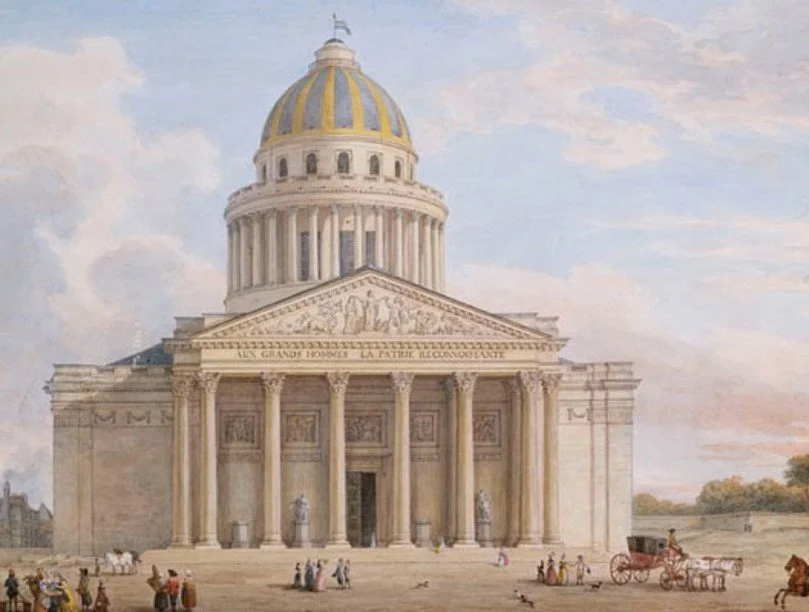
Welcome to the Panthéon, one of the most iconic monuments in Paris, standing proudly atop the Montagne Sainte-Geneviève.
At first glance, it may remind you of a Roman temple. That’s no coincidence, the neoclassical architecture here borrows heavily from Greco-Roman traditions: massive columns, a triangular pediment, a harmonious sense of balance, and a monumental portico.
The facade itself was directly inspired by the original Pantheon in Rome, built in the 1st century.But originally, this wasn’t meant to be a temple of memory, it was a church.
In 1755, King Louis XV fell gravely ill. Upon recovering, he vowed to build a grand new church dedicated to Sainte Geneviève, the patron saint of Paris. The first stone was laid in 1764, and the result was a vast Greek-cross-shaped structure 110 meters long, 80 wide, and 83 meters high.
But history had other plans.
Over time, the Panthéon’s purpose shifted, especially during the French Revolution. Its religious function was dropped, and it was transformed into a mausoleum to honor the great figures of the French nation.On the front, you’ll read the powerful inscription:
"Aux grands hommes, la patrie reconnaissante."
“To great men, the grateful homeland.” Though, truth be told, the building has flipped back and forth between church and secular temple several times over the years, depending on the politics of the moment.Inside lie the remains of some of France’s greatest minds and heroes:
Victor Hugo, Voltaire, Rousseau, Jean Moulin, Marie and Pierre Curie, Jean Jaurès, Emile Zola, and many others.Of course, not all of them were thrilled or would have been. For instance, Voltaire and Rousseau, both giants of the Enlightenment, hated each other in life… and now rest just a few meters apart for eternity. Same with Victor Hugo and Emile Zola, not exactly the best of friends either!
And here’s a quirky detail:
The construction was funded by adding a little surcharge… to lottery tickets!The architect behind it all was Jacques-Germain Soufflot, whose vision lives on in this blend of elegance and power.
Oh ! and there’s still room for about 250 more “Grands Hommes” (and hopefully more Grands Femmes) to join them.

Sorbonne, Building of Faculty of Law
-
Welcome to the legendary Sorbonne, one of the most iconic names in global education.
These buildings have seen it all from medieval scholars debating theology by candlelight to student protesters shaking the foundations of the modern Republic.
The Sorbonne dates all the way back to 1257, when it was founded as a college by Robert de Sorbon, chaplain to King Louis IX. And here’s something surprising: it was free, and open to students who had no money.
From the very start, it was a place where ideas mattered more than status.What started with just 20 students quickly grew into a hub of intellectual debate, so influential that even kings, bishops, and magistrates would seek its opinion before making decisions. By the end of the Middle Ages, it was welcoming around 20,000 students a massive number for the time.
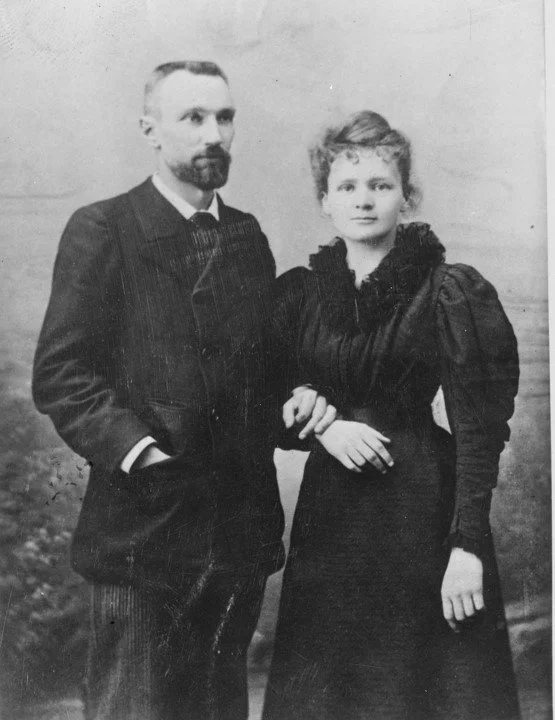
One of its proudest milestones? In 1906, Marie Curie became the first female professor at the Sorbonne, stepping into the role of physics professor after the death of her husband, Pierre. A trailblazer for science and for women.
Fast forward to May 1968, and you’ll find the Sorbonne once again at the heart of history, this time as the epicenter of massive student protests.
In the face of factory closures, rising unemployment, and millions living below the poverty line, students took to the streets. They challenged authority, demanded change, and helped ignite one of France’s most turbulent modern revolutions.Today, the Sorbonne isn’t a single school anymore, it’s been divided into 13 separate universities, each with its own area of expertise.
But the name remains a symbol of knowledge, protest, power, and most of all, passion.

Luxembourg Garden
-
Welcome to the Jardin du Luxembourg, one of the most beloved gardens in all of Paris and without question, one of the most beautiful.
This garden was born in 1612, when Marie de Médicis, widow of King Henri IV, decided she needed a little peace… and a country palace. So, naturally, she had the Palais du Luxembourg built and this garden to go with it.
Marie was homesick for her native Florence, so parts of the design were modeled after the Pitti Palace gardens of her childhood. That’s why the Luxembourg Garden has such an elegant, Italian feel.
All around, you’ll find a paradise of fruit trees — orange, pomegranate, palm, apple, pear and flowers galore, including orchids that have been grown here in greenhouses since the 19th century. During the colder months, many of these plants are moved into the garden’s massive orangerie for safekeeping. And maintaining all this beauty? A team of 70 dedicated gardeners!
Now, here’s a fun little legend for you:
Rumor has it that one of the bars in the garden fence is made of solid gold.
That might sound absurd, but walk around the railings, and you’ll notice some spots have the paint scratched off. Why? Because certain hopefuls come by day and night with scrapers or even kitchen utensils, looking for that mythical golden bar.
Of course, it’s just a legend… but hey, who wouldn't want to strike gold in the middle of Paris?Don’t miss the Fontaine Médicis, often called the most romantic spot in Paris. This grotto-style fountain, with its lush greenery and dreamy waters, feels like something straight out of Italy. Proposals happen here all the time and with good reason. It’s magical.
Take your time here. Breathe. Wander. Fall in love with the garden, or maybe with someone else.
Cinéma du Panthéon
-
Welcome to the Cinéma du Panthéon, not just any movie theater, but a true temple of French cinema.
This isn’t your average neighborhood cinema. Opened in 1907, it’s one of the oldest movie theaters in Paris, and the oldest one still in operation without ever having closed. That’s over a century of continuous cinematic magic!
Over the years, the Panthéon has welcomed some seriously prestigious regulars, including none other than Jean-Paul Sartre and Jacques Prévert, who had their favorite seats here. Can you imagine? Two of France’s greatest thinkers, quietly watching films right in this room.
In the 1930s, the cinema made waves by becoming the first in Paris to show films in their original version, rather than dubbed, a bold and now beloved move that helped shape film culture in France.
And in the 1950s, this small but mighty cinema became a launchpad for the New Wave, giving early screen time to future legends like Truffaut, Godard, and Alain Resnais.
In 2007, the Cinéma du Panthéon celebrated its 100th anniversary with a full renovation. On the first floor, you’ll now find a charming tea salon, beautifully designed by none other than Catherine Deneuve. It’s the perfect place to sip a coffee, read a script (or pretend to), and feel like part of Paris’s artistic elite.
In short, this isn’t just a place to watch movies, it’s a piece of living cinema history.
Statue of Montaigne
-
As we stroll through the Quartier Latin, the historic student district of Paris, there’s someone you absolutely must meet…
Say hello to Michel de Montaigne — philosopher, Renaissance humanist, and unofficial mascot of academic good luck.This statue, seated just across from the Sorbonne, is more than just a tribute to one of France’s great thinkers. It’s also a beloved back-to-school tradition for generations of students.
See that shiny right foot?
Legend has it that if you touch Montaigne’s right foot and say "Salut Montaigne !", he’ll bring you good luck for your school year or at least help you survive your next exam. So go on, give it a try. What have you got to lose?Montaigne was a brilliant mind of the Renaissance, known for his Essais, where he explored human nature, doubt, curiosity, and what it means to live a good life.
He’s considered one of the fathers of the humanities, paving the way for modern philosophy, psychology, and history. Not bad for a guy just chilling on a bench, right?And it’s fitting he sits here, in the Quartier Latin, where students have been roaming for centuries, discussing, debating, dreaming, and yes… sometimes panicking about their grades.
This neighborhood gets its name from the Latin language, once spoken in the medieval universities that were born right here.
To this day, it remains the intellectual soul of Paris.

Cluny Museum
-
Welcome to the Musée de Cluny, Paris’s Museum of the Middle Ages and a true hidden gem for lovers of art, history, and medieval mystery.
This museum is remarkable in so many ways.
First, it houses one of the richest collections of medieval art in the world, covering over 1,500 years of mostly French and European history, from the fall of Rome to the rise of the Renaissance.Here, you’ll discover everything from illuminated manuscripts and golden reliquaries to stained glass, sculptures, and of course, the world-famous tapestry cycle of The Lady and the Unicorn, considered one of the greatest masterpieces of Western medieval art.
But Cluny isn’t just about what’s inside the museum, the building itself is a masterpiece.
It’s one of the last surviving examples of medieval civil architecture in Paris, along with the Hôtel de Sens.
Just walking through its halls feels like stepping back in time.And if that wasn’t enough, you’ll also explore the ancient Roman baths, the Thermes de Cluny, partially integrated into the museum, one of the last Gallo-Roman remnants in the city, alongside the Arènes de Lutèce.
So in just one visit, you’ll pass through two millennia of history, from Roman emperors to medieval abbots, from knights to unicorns.
Not bad for one museum!
Salvador Dalí Sundial & Rue Saint-Jacques
-
Now here’s a little Parisian surprise that most people walk right past…
Look up and you’ll spot a sundial like no other.Yes, that’s right: this is a sculpture by Salvador Dalí himself!
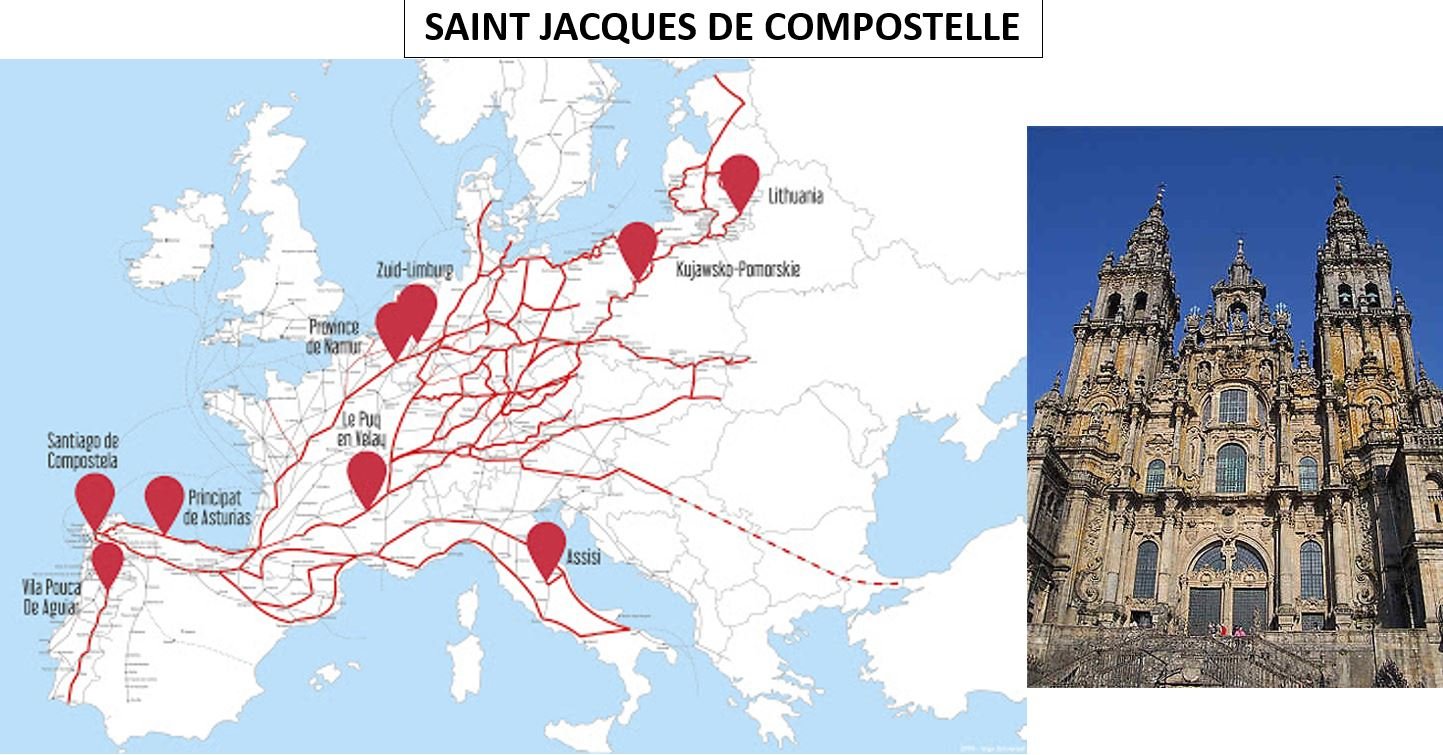
Dalí created it in the 1960s as a gift for friends who owned a shop right here, on Rue Saint-Jacques. The piece depicts a surreal woman’s face, and if you look closely, you’ll notice that her hair resembles a scallop shell a clever nod to the street’s name and to Saint James of Compostela, patron of pilgrims. After all, this was the main medieval route to Orléans and a stretch of the famous Camino de Santiago.
And of course, Dalí being Dalí, the sculpture was inaugurated by the fanfare of the École des Beaux-Arts, in true theatrical fashion.
Want some quick Dalí trivia while we’re here?
As a child, he was told he was the reincarnation of his dead brother, and he made it his mission to outdo his memory.
He was obsessed with Sigmund Freud and psychoanalysis, so much so that his teachers didn’t know how to evaluate him, and he ended up getting expelled from art school.
That iconic mustache? Inspired by Velázquez, one of Dalí’s idols.
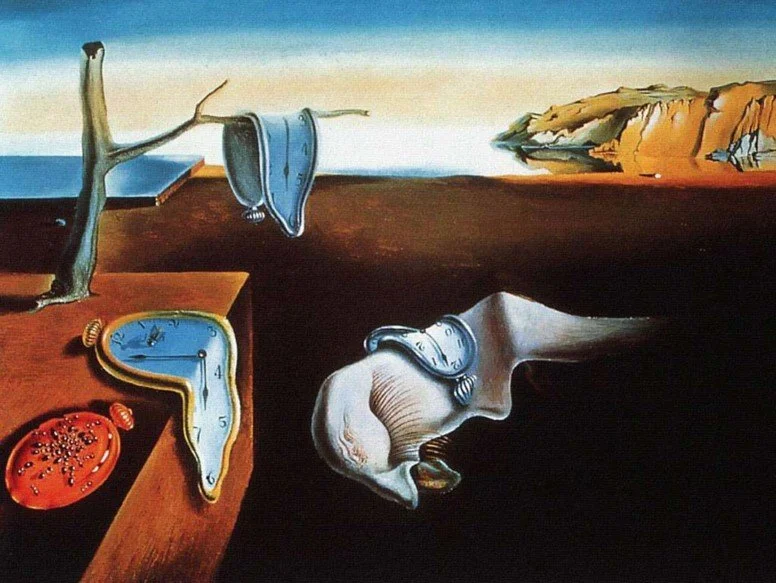
His most famous painting? "The Persistence of Memory", better known as "the melting clocks".
He was close friends with Picasso.
And here’s a fun fact: Dalí designed the logo for Chupa Chups lollipops!
By the time of his death in 1989, Dalí had produced over 1,500 works.
So yes, this sundial may be small, but it’s a portal into one of the most eccentric minds in art history, right here on one of the oldest streets in Paris.


Church Saint-Séverin &
Church Saint-Julien-le-Pauvre
-
Let’s begin with the Église Saint-Séverin, one of the finest examples of Gothic architecture in Paris.
As you walk around, you’ll notice the gargoyles perched high above, frozen in expressions both fierce and fantastical. But did you know? They’re not just fancy drainpipes.
Architecturally, gargoyles help channel rainwater away from the building, protecting its stone walls from erosion.
But symbolically, they were thought to ward off evil.
Some say they represent vanquished devils, forced to live on the edge of the Church they couldn’t destroy. Others believe they’re guardians, vomiting sin and darkness out of the holy sanctuary to keep it pure.
Either way, they’re unforgettable. And definitely worth a closer look (from a safe distance!).
-
Now, just a short stroll away in the Square Viviani, you’ll find a gem hidden in plain sight: Église Saint-Julien-le-Pauvre.
It may be the smallest church in Paris, but it’s also the oldest.
Its roots go all the way back to 582, during the time of the Merovingians, a dynasty that ruled much of modern-day France and Belgium between the 5th and 8th centuries.At that time, the church functioned as a hospice for pilgrims. Later, in the 12th century, it was rebuilt by Benedictine monks. During the Revolution, it was turned into a storage warehouse, but in 1826, it was finally restored to religious use. Since 1889, it’s been home to the Greek Catholic rite, perhaps explaining why it’s so beloved in this neighborhood, known for its many Greek restaurants.
And don’t miss the old well inside the church, whose water, dating back to the 6th century is rumored to be miraculous.
Feeling brave? You never know.Oh, and right next to the church stands the oldest tree in Paris, a black locust (robinier), planted in 1601 during the reign of Henri IV. It’s crooked, cracked, and supported by concrete braces, but still alive and full of stories.
The Rocky Horror Picture Show
-
Let’s start with something very old, then we’ll jump to something completely insane, because welcome to Paris, where history and pop culture live side by side.
Hidden away on a quiet wall, you’ll find one of the oldest stone carvings in Paris, dating back to the 14th century. It’s a bas-relief that tells the legend of Saint Julien l’Hospitalier.
You’ll see a man and woman rowing a boat across a river, with another man standing in the middle. That’s Julien, a nobleman who, according to legend, accidentally killed his parents. In grief, he left everything behind, and his wife chose to follow him.
They settled along the Seine, where they built a hospital and dedicated their lives to ferrying the poor across the river.
One day, a leper arrived and asked for help. They took him across. But once they reached the far bank… the man revealed himself as Christ. He had come to test Julien’s devotion, and upon seeing his compassion, forgave him.
Julien became known as the patron saint of travelers, and during the Middle Ages, innkeepers and hotel owners would often place themselves under his protection. A beautiful story of guilt, redemption… and boats.
Now… ready for a time jump?
Let’s head to the Studio Galande, a small cinema with a HUGE cult following. Why?
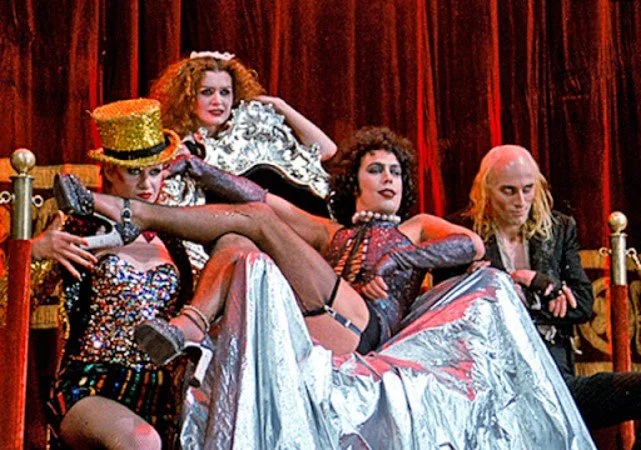
Because it’s the last theater in Europe that still screens The Rocky Horror Picture Show — every single week with live performances.If you’ve never seen this film… imagine a newly engaged, very polite couple who break down near a mysterious castle and end up in a wild world of transvestite aliens, mad science, and rock and roll.
It’s absurd. It’s glorious. And it’s interactive.Here, the audience becomes the show.
Expect to be briefed by a costumed cast, pelted with rice, splashed with water, shouted at, and dragged into one of the most chaotic movie nights of your life and that’s a compliment.Oh, and the makeup? It was created by Pierre Laroche, personal makeup artist to David Bowie. That explains a lot.
Over the years, the film has inspired countless tributes, including an episode of Glee, and even a character in the manga One Piece: Emporio Ivankov, who channels Dr. Frank-N-Furter’s fabulous energy.
Two steps from a medieval saint… and boom: you’re in fishnets and throwing toast at the screen.
Only in Paris.



Shakespeare & Co and
The Bouquinists of Paris
-
Welcome to one of the most legendary bookshops on the planet:
Shakespeare and Company.This charming little English-language bookstore was originally opened in 1919 by Sylvia Beach, and quickly became a meeting point for the literary elite of Paris, think Hemingway, Joyce, Stein, Fitzgerald.
The current version you see today was founded later, but the spirit lives on.
Inside, it’s a labyrinth of books, with little reading nooks and crooked shelves that seem to breathe with stories. And if you head upstairs, look closely…
Yes, that’s a bed.This isn’t just for show. It’s part of a beautiful tradition: the bookstore hosts writers and travelers, affectionately called “Tumbleweeds”.
In exchange for two hours of work, and a one-page autobiography with a photo, they get a place to sleep.
This idea, a sort of “socialist utopia disguised as a bookstore” is still alive today.Fun anecdote? One night, the owner offered Johnny Depp a place to stay. Depp politely declined… and was promptly kicked out of the upstairs room.
No exceptions, even for Hollywood stars!Now step outside, and look along the Seine…
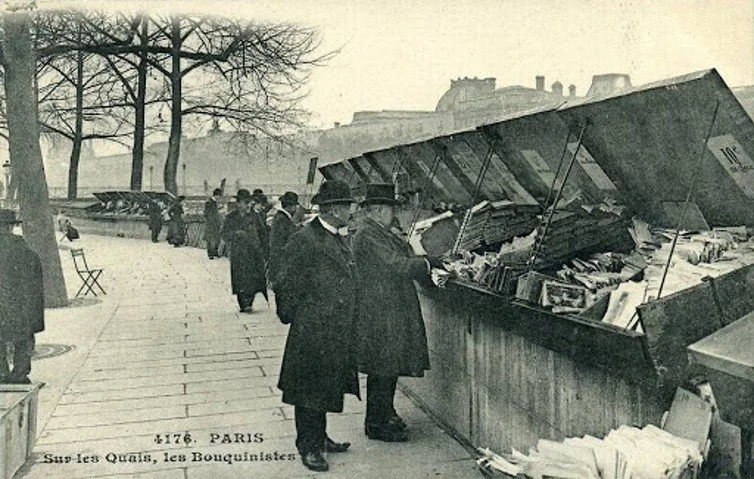
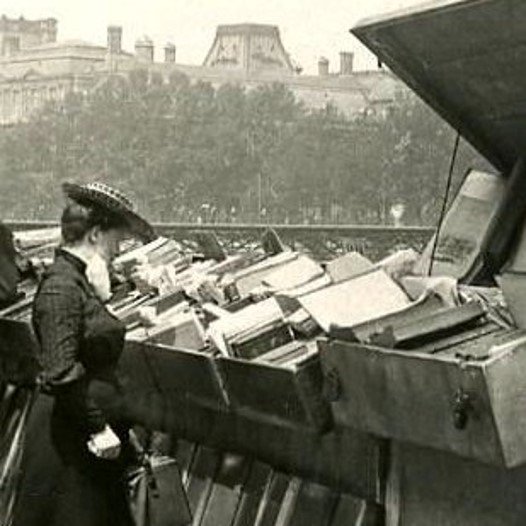
You’ll see row after row of green boxes, welcome to the world of the bouquinistes.This is a Parisian institution, unlike anything else on Earth.
The tradition dates back to 1606, under Henri IV, starting at the Pont Neuf.With around 238 bouquinistes today and 900 forest-green boxes, you’ll find everything from classic French literature to vintage comics, rare stamps, old postcards, and one-of-a-kind treasures.
In total, that’s over 4 kilometers of books lining the riverbanks!
It’s not just charming, it’s official: the bouquinistes are listed as UNESCO World Heritage.
And yes, getting a box is serious business. The City of Paris regulates everything, from the number of boxes (four per person), to their exact size (eight meters), to how often you can open shop.So go ahead, browse, bargain, and maybe find a forgotten gem.
Here in Paris, even the books have a view of the Seine.
Notre-Dame de Paris
-
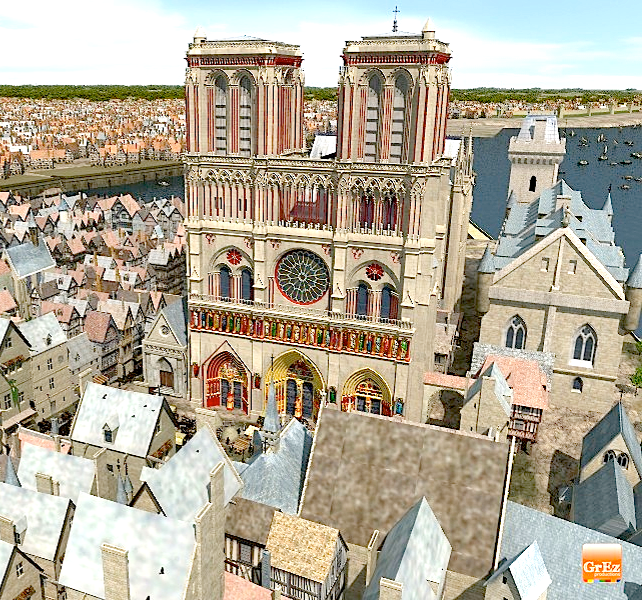
Welcome to Notre-Dame de Paris, the most famous cathedral in France, and one of the great masterpieces of Gothic architecture in the world.
Construction began in 1163, under the reign of Louis VII, led by Bishop Maurice de Sully. It would take 107 years to complete, a project that spanned generations, with builders who would never see the final result.
But long before Notre-Dame stood here, this spot was already sacred.
A Roman temple dedicated to Jupiter, then a 4th-century basilica once stood on this very ground, each layer adding to the spiritual gravity of the place.Notre-Dame helped revolutionize architecture with its vaulted ceilings, flying buttresses, and unified style, a structure not just of stone, but of harmony, innovation, and divine ambition.
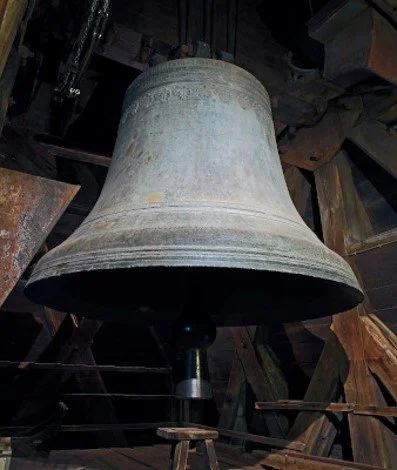
Ever heard the name Emmanuel?
That’s the name of Notre-Dame’s largest bell, which weighs in at a staggering 13 tons, it only rings on special occasions, but when it does, all of Paris seems to stop and listen.And yes, despite its current grey tone, the cathedral was once vibrantly colored, not just for decoration, but to protect the stone from cracks, moisture, and freezing temperatures.
During the French Revolution, the cathedral suffered greatly. Many thought it was a symbol of the monarchy, and it was left in ruins.
But then came Victor Hugo.
His novel Notre-Dame de Paris (better known in English as The Hunchback of Notre-Dame) captivated the nation, and suddenly, the cathedral wasn’t just a ruin, it was a national treasure in need of saving.
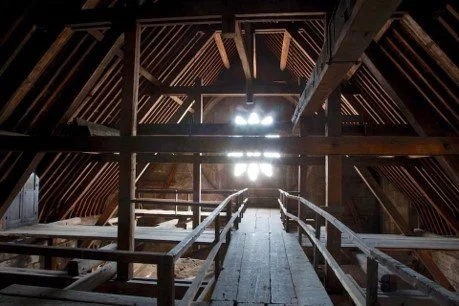
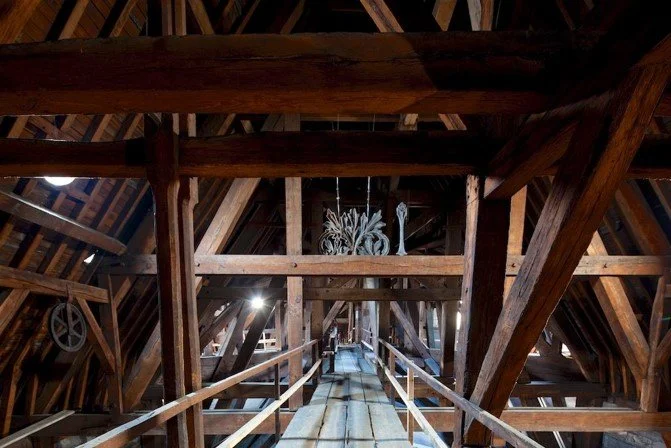
Merci, Victor Hugo!Inside, the wooden framework of the nave and choir, built in the late 12th century, was so vast it was nicknamed “La Forêt”, “The Forest.”
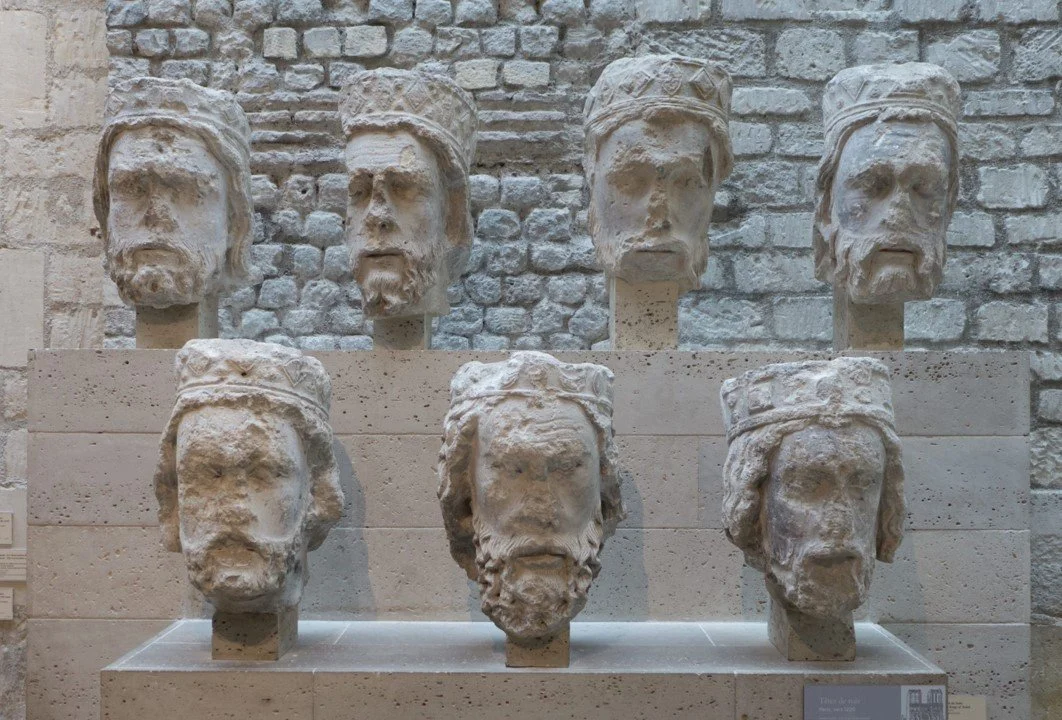
It was made from the timber of over 1,300 oak trees, the equivalent of 21 hectares of forest. Sadly, much of it was lost in the 2019 fire, but restoration is underway.Look closely at the 28 kings on the facade, they represent the kings of Judah, ancestors of Mary.
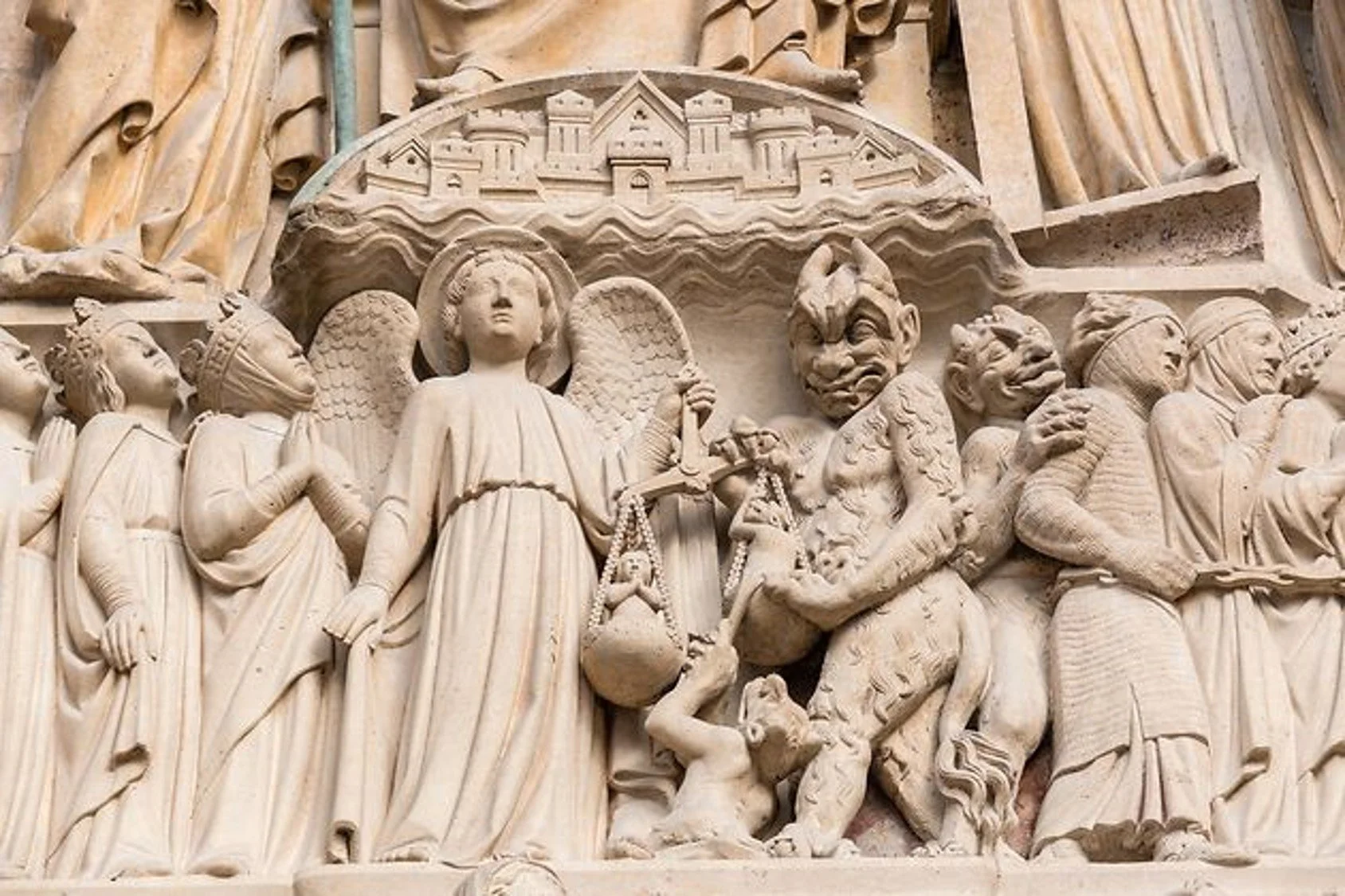
But during the Revolution, mistaking them for French kings, angry mobs decapitated the statues. The originals? Their heads were rediscovered centuries later and now live safely at the Musée de Cluny.There’s also Saint Michael, weighing souls at the Last Judgment. On one side: paradise. On the other: hell. And yes, a cheeky little demon is seen trying to cheat the scales.
Legend says that one of the cathedral’s blacksmiths, overwhelmed by the complexity of his task, sold his soul to the devil to finish his work. But on inauguration day, the doors wouldn’t open — not until they were splashed with holy water.
And in 1944, as Paris was being liberated, Nazis took refuge in the cathedral and even fired into the crowds gathered outside.
Notre-Dame has survived fire, revolution, war… and still, she stands.And right in front of her, don’t miss the Point Zéro des Routes de France, the symbolic center of the country’s road system.
From here, all distances in France are measured. It’s not just a monument, it’s the starting point of the nation.
Hôtel-Dieu de Paris
-
We now arrive at one of the most historically significant, yet often overlooked, landmarks in Paris: l’Hôtel-Dieu, the oldest hospital in the city, and one of the very first in Western Europe.
Its story begins way back in the 7th century, when there was no public health system, no social services, just the Church.
At the time, hospitals weren’t places of medicine, like today. They were more like charitable shelters, run by religious orders, offering a place to rest, recover, or simply survive.
The Hôtel-Dieu welcomed not just the sick, but also the poor, the homeless, and pilgrims passing through the city on their spiritual journeys.
For centuries, it was the only hospital in Paris, from the early Middle Ages until the Renaissance and it stood as a symbol of Christian compassion in action.
It’s located in a spot of deep symbolism too, right next to Notre-Dame, as if healing and faith were always meant to go hand in hand.
Today, it continues to operate as part of the AP-HP (Assistance Publique – Hôpitaux de Paris) network, and while much has changed, the spirit of care and service remains.
So next time you pass through this quiet courtyard, remember:
you’re walking through the very birthplace of Parisian medicine, a place where healing began, long before white coats and stethoscopes.
Flowers Market – Queen Elizabeth II
-
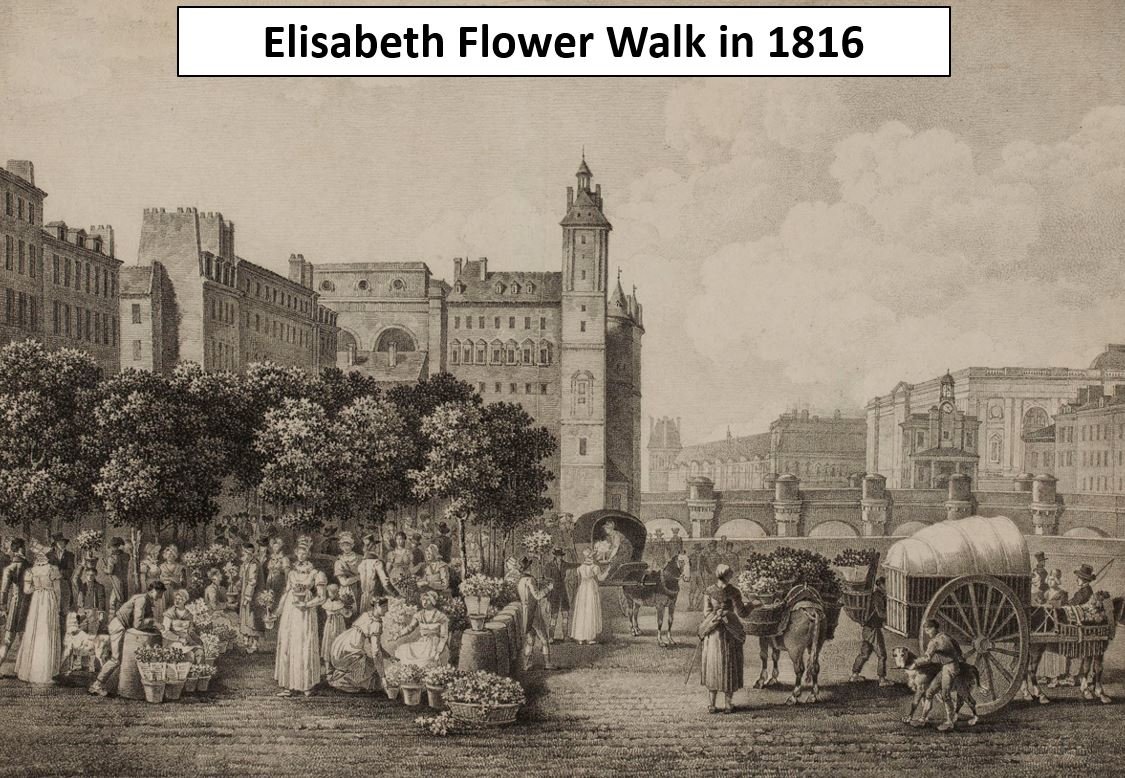
Welcome to the Marché aux Fleurs – Reine Elizabeth II, one of the most picturesque and fragrant corners of central Paris, right here on the Île de la Cité, just steps from Notre-Dame.
This vibrant flower market dates back to the early 19th century, and while it may look like a peaceful place to buy orchids, roses, and bonsai trees today, its history is anything but quiet.
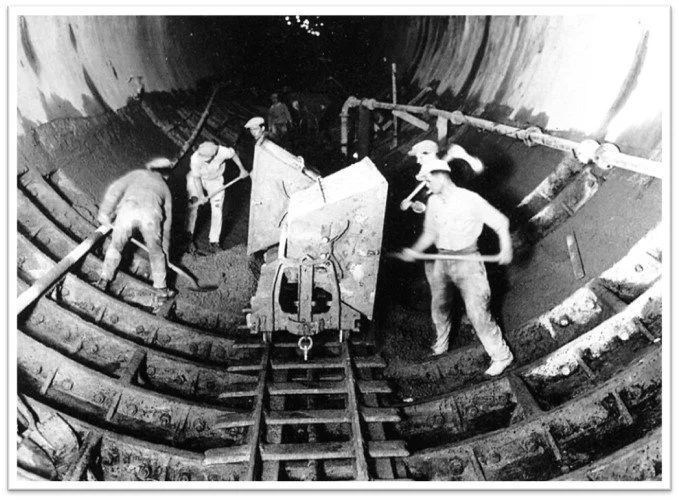
In 1905, the market was temporarily closed as the entire square was turned into a construction site. Why? Because it stood right on the future path of Metro Line 4, which, at the time, presented an enormous technical challenge:
Crossing under the Seine.The engineers pulled off a remarkable feat, they used an experimental method for the time: injecting brine (salt water) into the soil and freezing it to -24°C, making the ground hard enough to tunnel through beneath the river.
Let’s just say, Paris didn’t do things halfway!During the digging, archaeologists uncovered ancient Roman ruins, including the remains of a basilica. But not a church, most likely a civil building used for public life during the Roman era.
And now, a royal twist in our story…
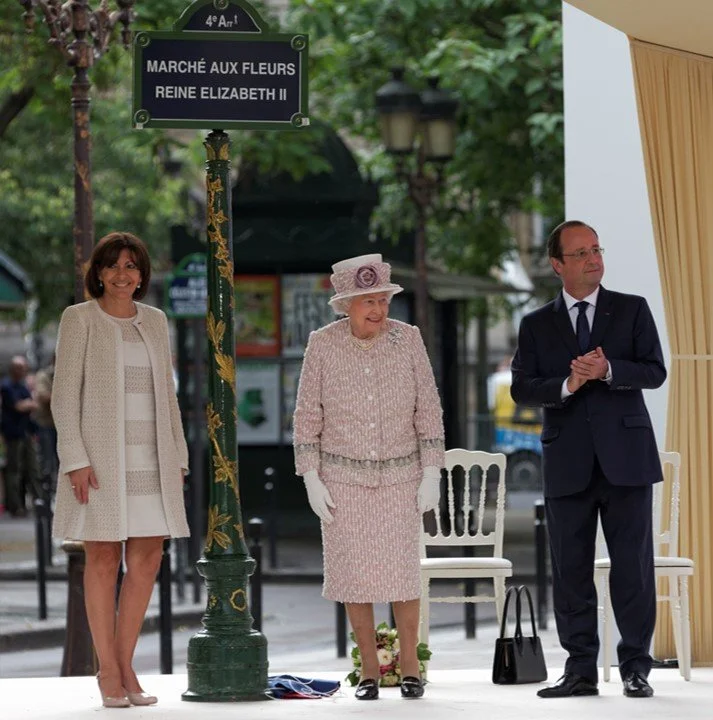
In 1948, a young Princess Elizabeth visited Paris and fell in love with this flower market. Decades later, in 2014, now Queen Elizabeth II, she returned for the 70th anniversary of D-Day, and made a special stop here, to revisit the place that had once charmed her.
That same day, the market was officially renamed in her honor.
It became the Marché aux Fleurs – Reine Elizabeth II, and the Queen herself had the honor of cutting the ribbon. A rare royal bloom in the heart of Paris.So yes, under these delicate flower stalls lie Roman ruins, underground metro lines, and a touch of royal affection. Only in Paris.