

First Time in Paris? Everything You Need to Know
Paris is one of those cities that lives in the imagination long before you actually arrive. The croissants, the cafés, the Seine, the art, the history, the idea of Paris is so powerful that the reality can feel disorienting when you first step off the Eurostar or out of Charles de Gaulle airport.
The good news is that Paris is also one of the most visitor-friendly cities in the world, provided you know a few things in advance. This guide covers everything a first-time visitor needs to know, from getting from the airport to the city, to where to stay, what not to do, and how to actually experience the Paris that most tourists miss.
Getting to Paris

By Plane
Paris has two main airports: Charles de Gaulle (CDG), which handles most international flights, and Orly (ORY), primarily used for domestic and some European routes.
From CDG, the fastest and cheapest option into the city is the RER B train, which runs directly to central Paris stations including Gare du Nord, Châtelet-Les Halles, and Saint-Michel Notre-Dame. The journey takes 35 to 50 minutes and costs €11.80. Trains run every 10 to 15 minutes from approximately 5am to midnight.
Taxis from CDG to central Paris are fixed-rate: €56 to the Right Bank, €65 to the Left Bank. Book only official taxis from designated stands, never accept offers from drivers inside the terminal.
From Orly, the Orlyval shuttle connects to the RER B at Antony station. The combined fare to central Paris is €13.40.
By Eurostar (from London)
The Eurostar arrives at Gare du Nord in central Paris, one of the best-connected stations in the city. From here you are two metro stops from the Louvre and four from Notre-Dame. No airport transfer needed.
By Train from other European cities
Paris's six main train stations are all connected to the metro network. Wherever you arrive, you are at most 20 minutes from the city center by public transport.
Getting Around Paris
The Metro
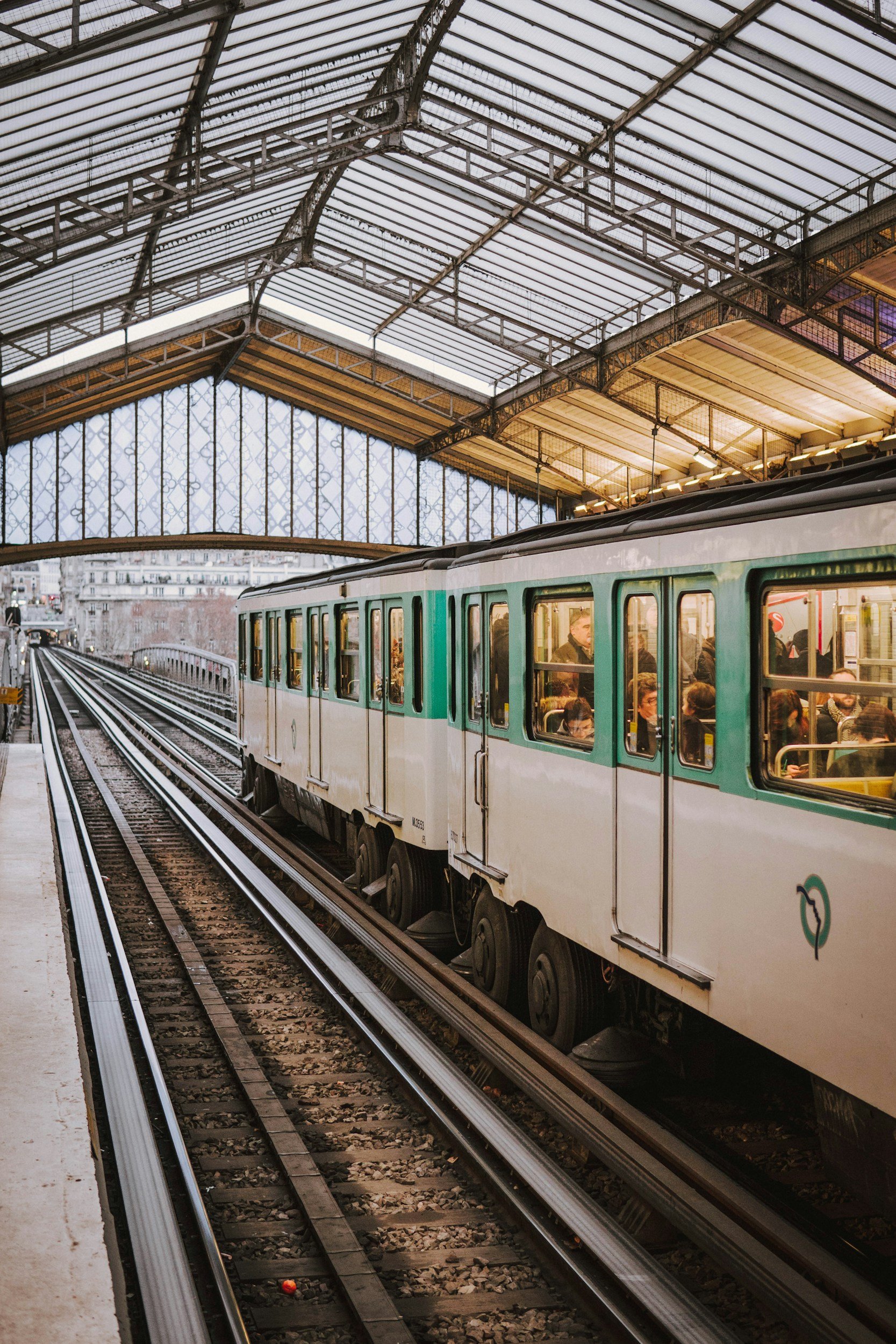
Paris's metro system is fast, extensive, and easy to navigate. There are 16 lines covering the entire city, and almost every major sight is within a 5-minute walk of a metro station.
A single ticket costs €2.15. If you plan to use the metro regularly, buy a carnet (10 tickets for €17.35) or a Navigo Liberté+ card, which you load with credit and pay per journey at a reduced rate.
For longer stays, the Navigo Week pass (€30) covers unlimited travel on all Paris public transport from Monday to Sunday. If you're visiting for a full week, it is almost always worth buying.
Buses
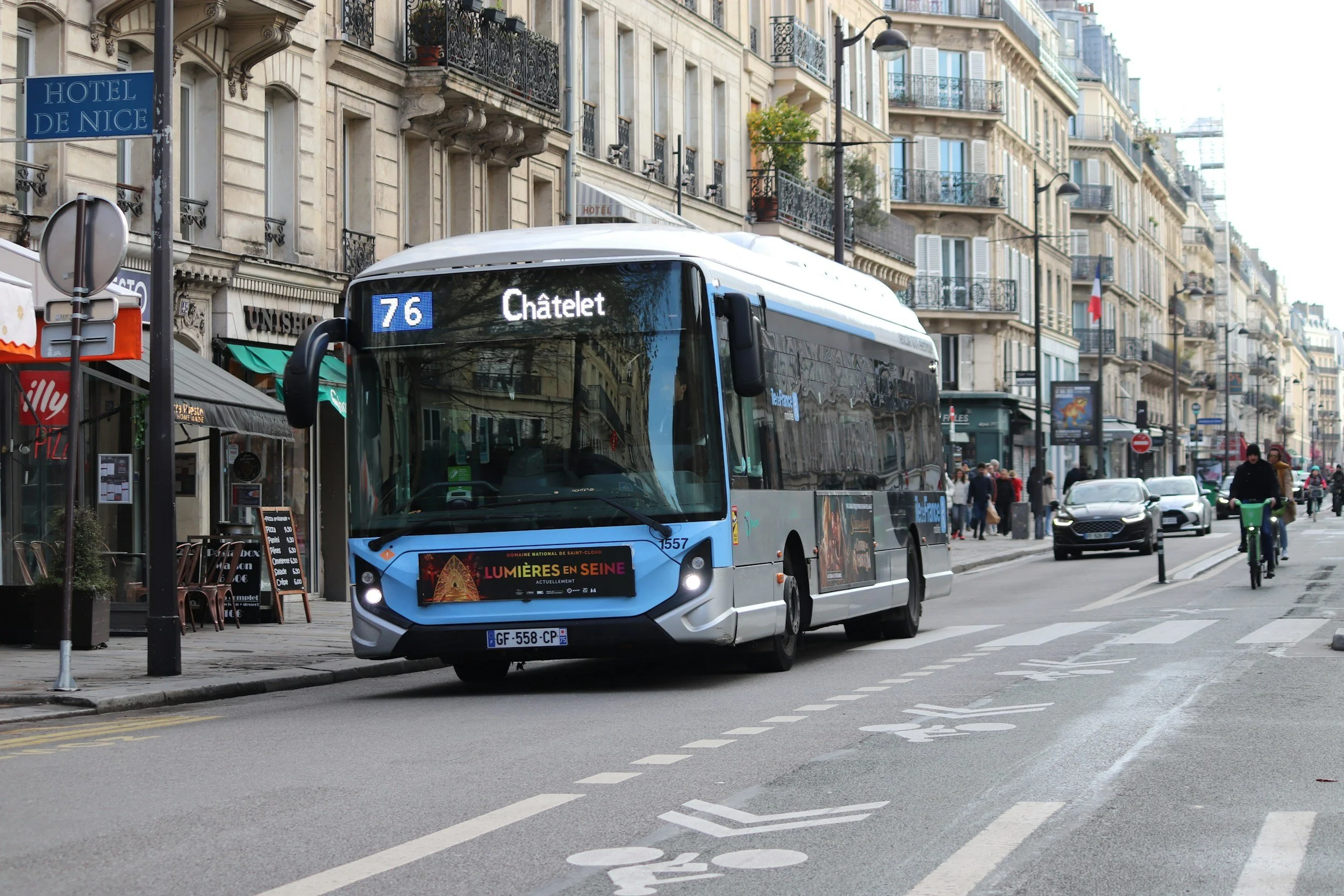
Paris's bus network is excellent and underused by tourists. Buses are slower than the metro but offer surface-level views of the city and are often less crowded. The same ticket valid for the metro is valid for buses.
Walking
For central Paris, the area within roughly the first 12 arrondissements, walking is often the fastest, most enjoyable, and most rewarding way to get around. The city is compact, and the streets between the sights are frequently as interesting as the sights themselves.
Vélib' (Bike Share)
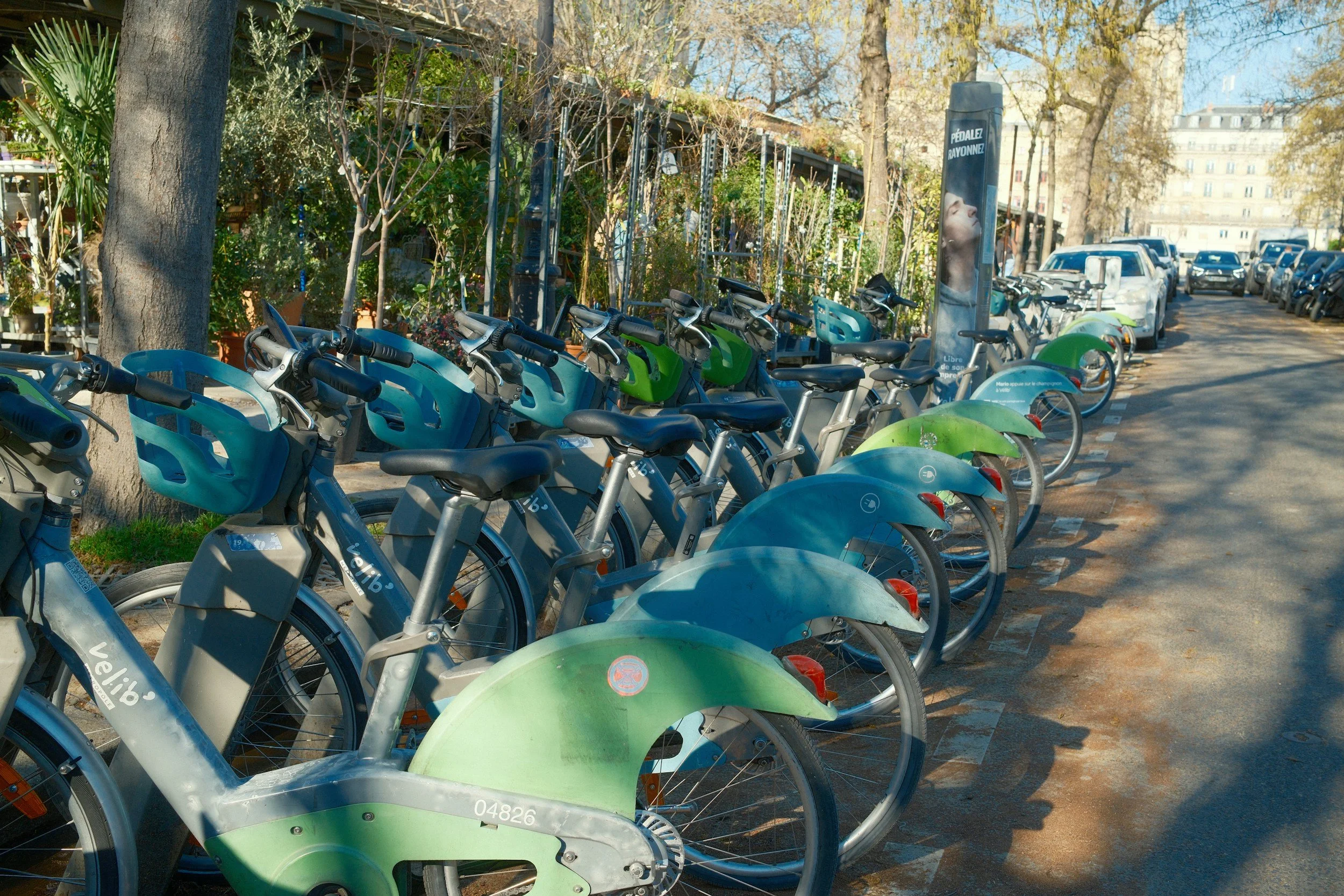
Paris has one of the world's best bike-sharing systems. A 24-hour subscription costs €5 and gives you unlimited 30-minute rides. For flat routes, along the Seine, through Le Marais, along Canal Saint-Martin, cycling is often faster than the metro and significantly more enjoyable.
Taxis and Ride-Sharing
Taxis are plentiful but expensive for short distances. Uber, Bolt, and other ride-sharing apps operate in Paris and are generally 20-30% cheaper than licensed taxis for longer journeys.
Where to Stay
Choosing Your Neighbourhood
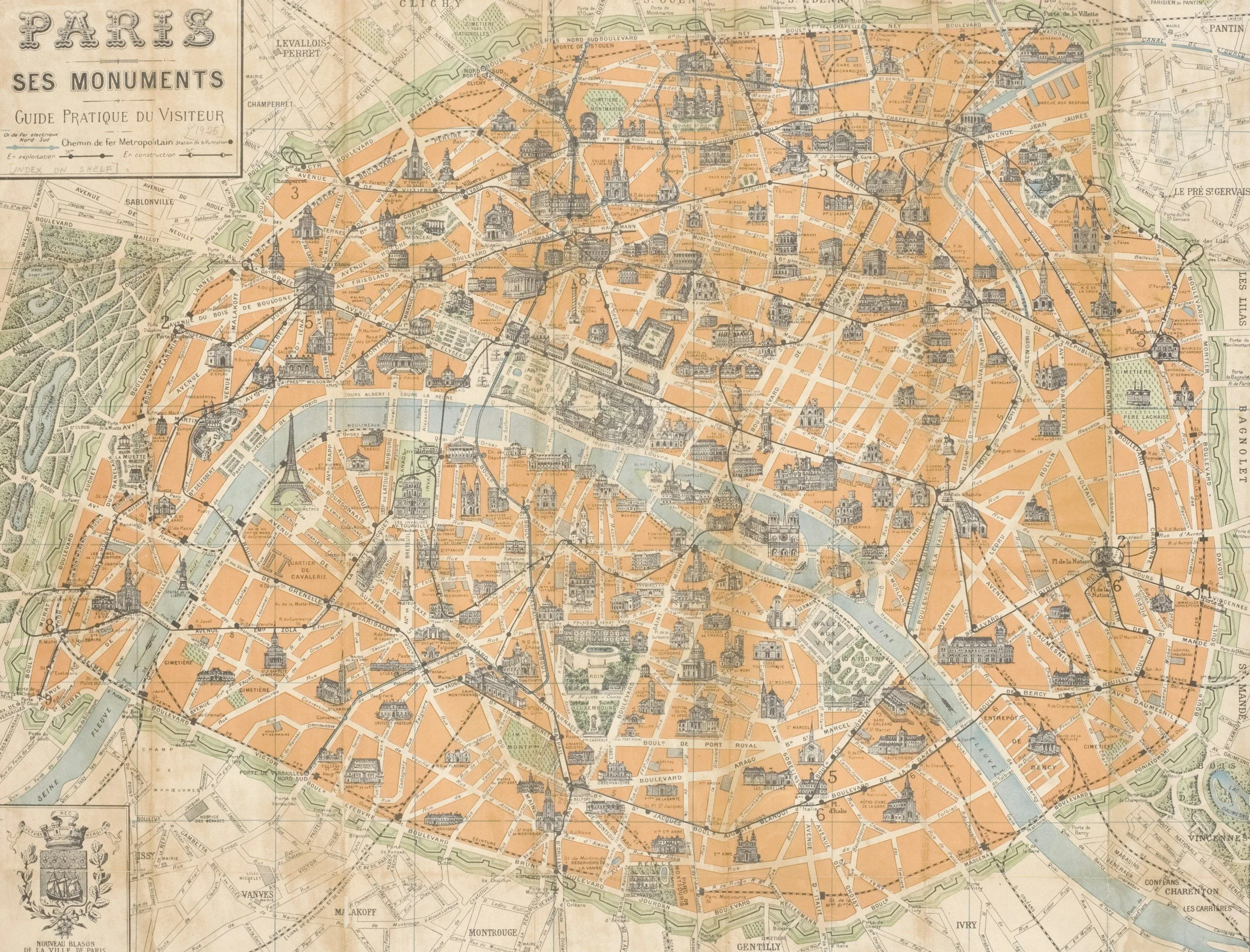
Where you stay shapes your experience of Paris more than almost anything else. Here is a brief guide to the main areas:
Le Marais (3rd and 4th arrondissements), Central, walkable, beautiful, lively. One of the best areas for first-time visitors. Higher prices but worth it for the location and atmosphere.
Latin Quarter (5th arrondissement), Historic, atmospheric, and central. Excellent transport links. A good mix of price points.
Montmartre (18th arrondissement), Charming and distinctive, but a 20-minute metro ride from the most central sights. Excellent value compared to more central areas.
10th arrondissement (Canal Saint-Martin area), One of the best value-for-money areas in central Paris. Excellent local restaurants, great neighbourhood feel, well-connected.
Saint-Germain-des-Prés (6th arrondissement), Elegant, beautiful, expensive. Best for those who prioritise location and atmosphere over budget.
What to Avoid
Hotels directly adjacent to major tourist sights, the areas immediately around the Eiffel Tower, the Louvre, and Opéra Garnier, charge a significant premium for location and frequently deliver below-average quality. You will almost always get better value 10 minutes away by metro.
Money and Payments
Currency
France uses the euro (€). Most shops, restaurants, and cafés accept credit and debit cards, including contactless payment. Keep a small amount of cash (€30 to €50) for markets, small boulangeries, and the occasional cash-only establishment.
ATMs
ATMs (called distributeurs in French) are everywhere in Paris. Use bank ATMs rather than the independent machines in tourist areas, which typically charge higher fees.
Tipping
Tipping is not obligatory in France. Service is included in the bill by law. Rounding up to the nearest euro, or leaving a euro or two for good service at a restaurant, is appreciated but not expected. You will not be looked at strangely for not tipping.
Avoiding Scams
Like all major tourist cities, Paris has a small number of common scams targeting visitors:
- The friendship bracelet scam: someone ties a bracelet around your wrist and then demands payment
- The petition scam: someone approaches you with a clipboard asking for signatures, while an accomplice picks your pocket
- The gold ring scam: someone "finds" a gold ring on the ground and offers it to you, then asks for money
The solution to all of these is simple: don't stop walking, don't engage, and keep your hand on your bag in crowded areas.
Food and Drink, A First-Timer's Guide
Breakfast
The Parisian breakfast is simple and excellent: a croissant or pain au chocolat from a boulangerie, with a coffee. Most boulangeries open by 7am. This will cost you €3 to €5 and will be significantly better than anything a hotel breakfast charges €18 for.
Lunch
The best-value meal in Paris is the menu du jour, a fixed-price lunch menu typically offering two or three courses for €12 to €18, served in traditional restaurants between noon and 2.30pm. This is how Parisians eat lunch. The quality is almost always excellent, because no restaurant serves bad food on its daily menu.
Dinner
Paris has restaurants to suit every budget. A few principles:
- Avoid restaurants with menus written in multiple languages displayed outside in tourist areas, they are almost never the best option
- Look for chalkboard menus (hand-written daily specials), they indicate fresh, seasonal cooking
- Restaurants that are full of French people at 8.30pm are almost always worth trying
Coffee
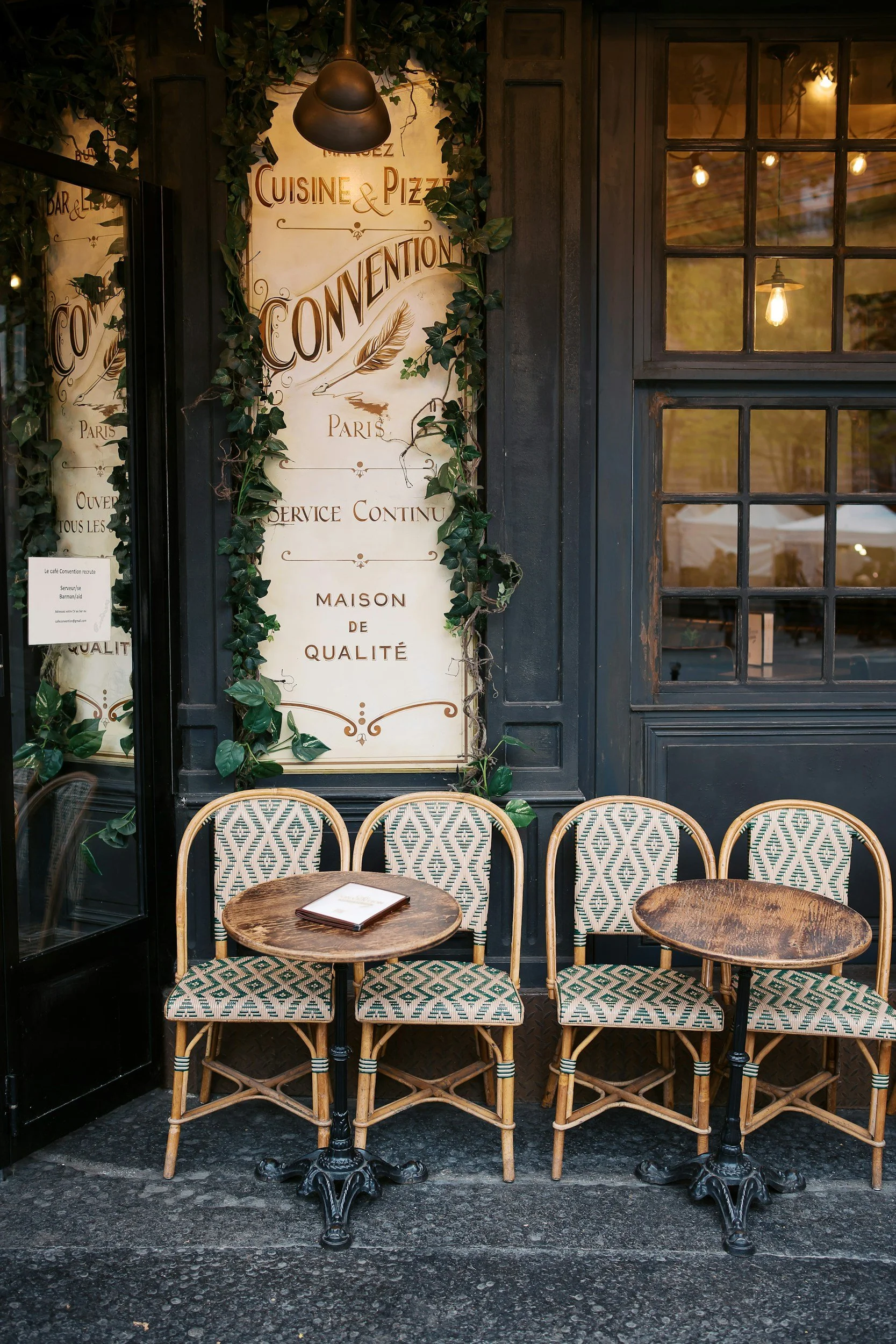
French coffee is espresso-based. An un café is a small, strong espresso. A café crème is the closest equivalent to a flat white or latte. A café allongé is an Americano. Ordering a "coffee" without specifying will get you an espresso.
Café culture is central to Parisian life. Sitting at a café terrace for an hour with one coffee, watching the street, is not considered wasting time, it is considered living well.
The One Thing Most First-Time Visitors Get Wrong
They try to see everything.
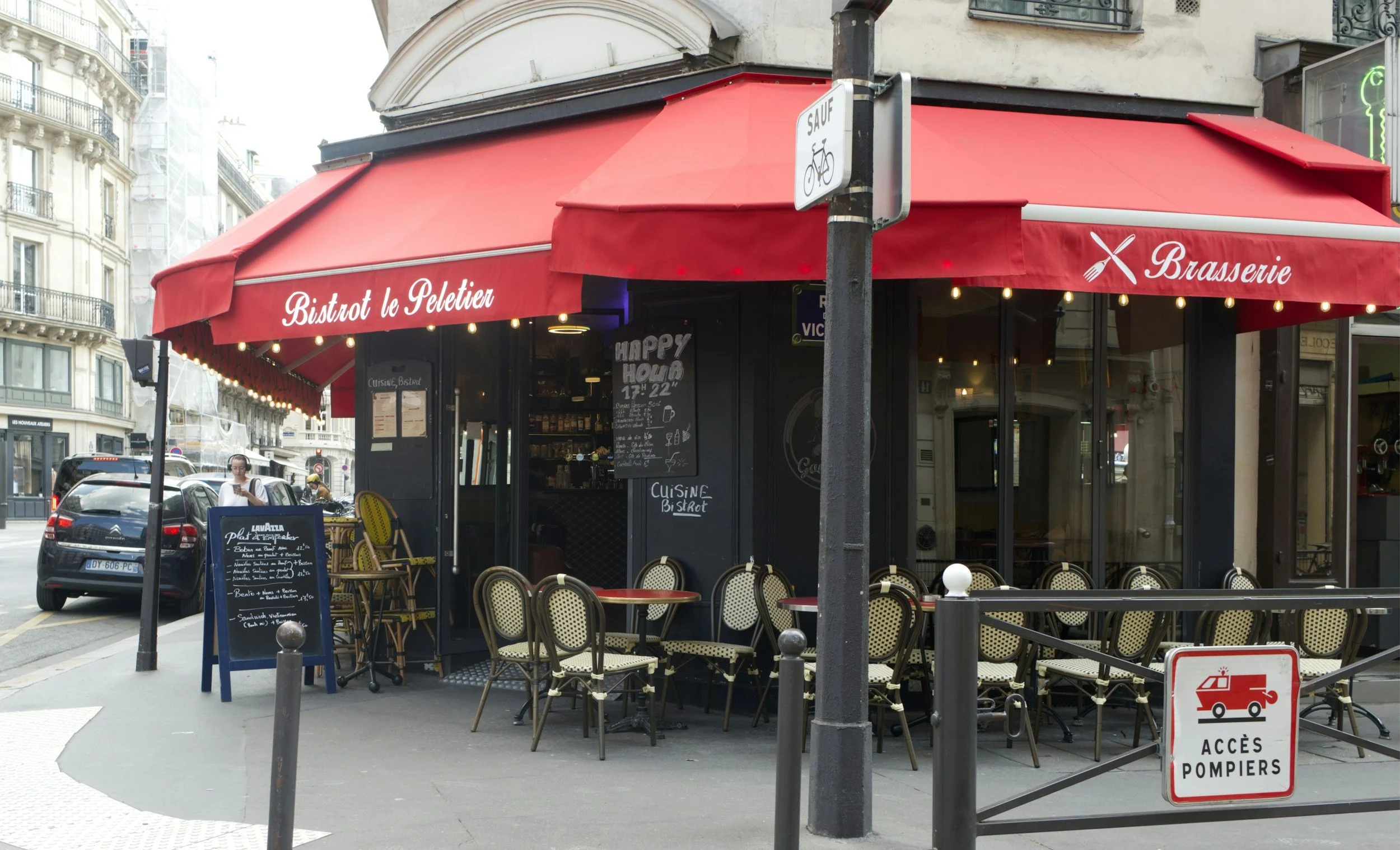
Paris rewards depth over breadth. A visitor who spends two hours in the Louvre and then rushes to the Musée d'Orsay and then to Notre-Dame and then to the Eiffel Tower has technically "seen" Paris. But they haven't experienced it.
The visitors who go home with extraordinary memories are the ones who picked one neighbourhood, walked it slowly, got slightly lost, sat at a café for longer than they planned, found a courtyard they hadn't expected, and understood, just for a moment, what it actually feels like to live here.
That's the Paris worth coming for. And it doesn't require an itinerary. It requires the willingness to slow down.
How to Explore Paris Like a Local
The best way to experience Paris independently, with expert guidance but complete freedom, is with a self-guided walking tour.
Our Paris Backstages ebooks cover 8 of Paris's most extraordinary neighborhoods, with detailed maps, rich historical storytelling, practical tips, and hidden gems that most first-time visitors never find.
Download before you arrive. Use entirely offline. Explore at your own pace.
No guide. No group. No fixed schedule.
👉 [Discover Paris Backstages Self-Guided Ebooks — from €16.90](https://www.parisbackstages.fr/our-ebooks)
